
Unbiased headlines. Facts, not spin.
Every story is an unbiased news briefing written from 110+ sources across the spectrum — sources linked so you can verify it yourself.
 finance
Major Story (8/10)
July 23, 2026 at 06:51 PM
finance
Major Story (8/10)
July 23, 2026 at 06:51 PM
Alphabet Burns $5.9 Billion in Free Cash, Raises AI Spending to $205 Billion for 2026
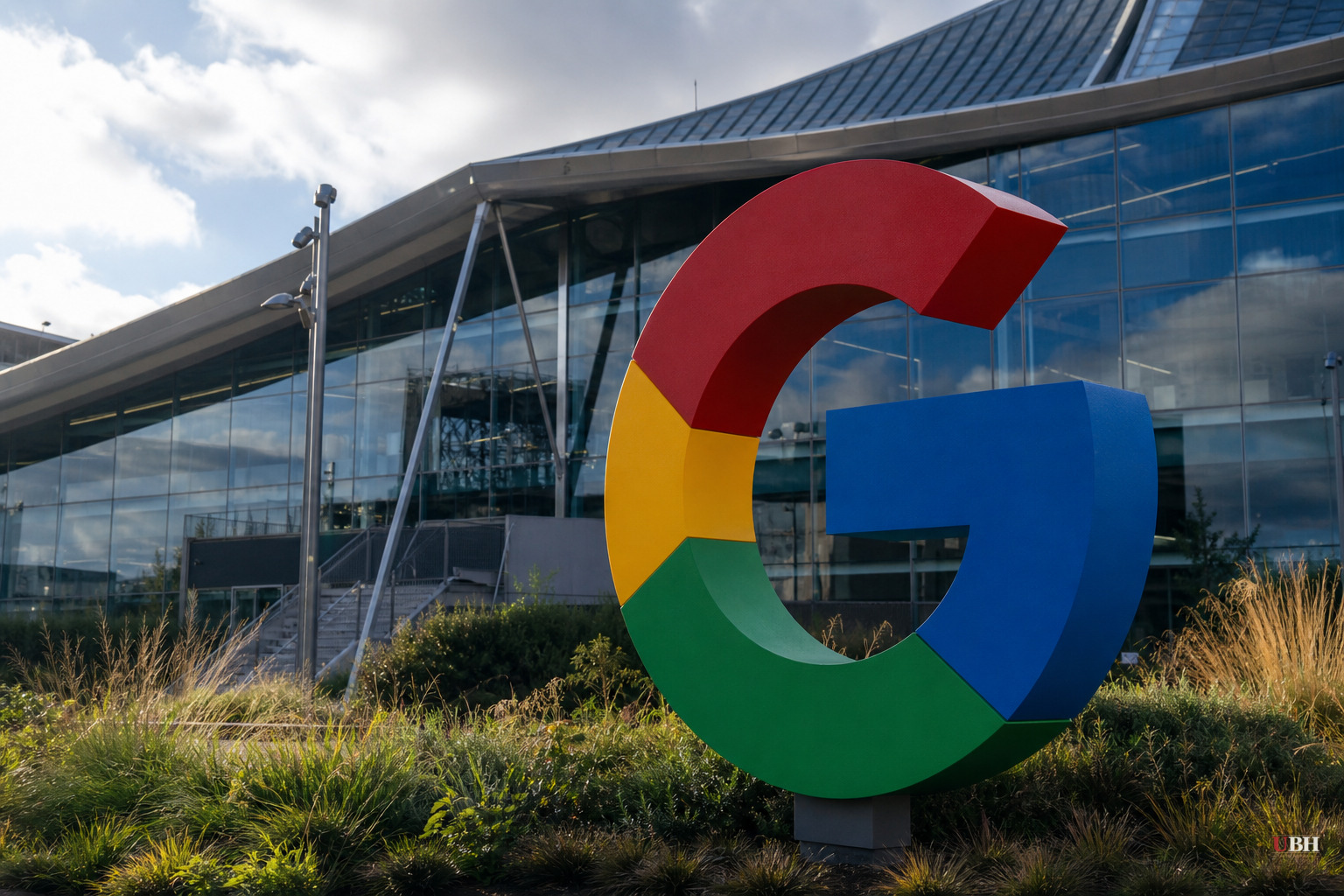
Alphabet's AI bill just got bigger, and investors are done pretending they don't notice.
The Google parent company reported second-quarter revenue of $119.8 billion, beating analyst expectations, according to Ars Technica. Google Cloud brought in $24.8 billion, up 23.8% from the prior quarter and up 82% year-over-year, according to the Los Angeles Times, beating the $22.46 billion analysts had forecast. Cloud backlog, meaning contracted work not yet booked as revenue, grew to $514 billion from roughly $460 billion the prior quarter.
None of that mattered much to the stock. Shares fell more than 6% Thursday, per the LA Times, and Ars Technica reported an initial overnight drop of about 4.5% that kept trending down through the day. This comes the same week Tesla shares fell 14% and Alphabet dropped on the same AI-spending anxiety gripping Wall Street broadly.
The Number That Spooked Everyone
Alphabet raised its 2026 capital expenditure forecast to a range of $195 billion to $205 billion, up from the $180 billion to $190 billion it had guided investors to expect just last quarter, according to Business Insider. That's more than double what the company spent in 2025 ($91 billion) and roughly nine times its 2022 capex of $22 billion, before the AI boom started.
CFO Anat Ashkenazi told investors capex spending will increase "significantly" again in 2027, per Business Insider. There's no ceiling in sight yet.
The reason the cash flow number matters more than the revenue beat is straightforward. Free cash flow is what's left after a company pays for its operations and investments, without borrowing or selling assets to cover the gap. Alphabet's operating cash flow was a healthy $39.1 billion, up 40% from a year earlier, according to Ars Technica. But the company spent $44.9 billion in the quarter expanding its AI infrastructure. Subtract one from the other and you get negative $5.8 to $5.9 billion in free cash flow, the first negative quarter Alphabet has ever reported since its 2004 IPO, according to data compiled by Bloomberg and cited by the LA Times.
Not a Crisis, But a Warning Light
Alphabet is still enormously profitable and sitting on more than $100 billion in cash, according to Ars Technica. This isn't a company running out of money. It's a company choosing to spend faster than it's bringing cash in, betting that AI infrastructure pays off down the road.
That bet is making Wall Street nervous. Alphabet, Amazon, Microsoft and Meta had already told investors in April they'd collectively spend around $725 billion in capex this year, according to the LA Times. Alphabet was first to report this earnings season, with Meta, Microsoft and Amazon scheduled to report next week. If Alphabet's revision is any indication, that combined $725 billion figure is going to climb.
Thomas Monteiro, senior analyst at Investing.com, said Alphabet's bigger spending plan "does not sit well," adding that rising interest rates and a persistent supply-demand crunch in AI infrastructure mean "the notion that the company would fund itself with cash flows forever might be starting to fade," according to the LA Times.
Investors aren't objecting to Alphabet making money in AI. They're questioning whether unlimited capex increases, quarter after quarter, are sustainable without eventually requiring debt or diluting shareholders. Business Insider noted some analysts believe part of the spending increase reflects inflation in memory chips and other hardware costs, not just expanded capacity, meaning the dollars may not be stretching as far as raw numbers suggest.
Where the Money's Actually Going
Search remains Alphabet's cash cow, generating $63.3 billion in the quarter, according to Ars Technica. YouTube ads brought in $11.1 billion, up more than 12% from the prior quarter, helped in part by longer ad formats. Subscriptions, platforms and devices added another $12.9 billion.
CEO Sundar Pichai told analysts on the earnings call that cloud demand was "powered by strong demand for AI infrastructure and AI solutions," according to the LA Times. That's the strongest evidence Alphabet has that the spending is converting into growth rather than just weighing down profit. Google Cloud still trails Amazon Web Services and Microsoft Azure in market share, but it's now one of Alphabet's fastest-growing units.
The unresolved question is timing. Alphabet is asking investors to trust that a business built on search advertising can fund a $200 billion-plus annual infrastructure buildout indefinitely, with no clear date attached to when that spending turns from a drag on cash flow into a driver of it. Ashkenazi's comment that 2027 spending will rise "significantly" suggests the answer isn't coming soon. Meta, Microsoft and Amazon report their own quarterly results next week, and each will face the same question: how long can Big Tech keep spending like this before shareholders demand to see the payoff on the balance sheet, not just in the press release.
Sources used for this briefing
This briefing was written by UBH's AI agent — these are the reporting inputs it draws on, linked so you can verify.


