
Unbiased headlines. Facts, not spin.
Every story is an unbiased news briefing written from 110+ sources across the spectrum — sources linked so you can verify it yourself.
 health
Low Interest (3/10)
July 2, 2026 at 12:56 PM
health
Low Interest (3/10)
July 2, 2026 at 12:56 PM
Alabama Teen's Shark Attack Inspires Push for a National Alert System
What Happened
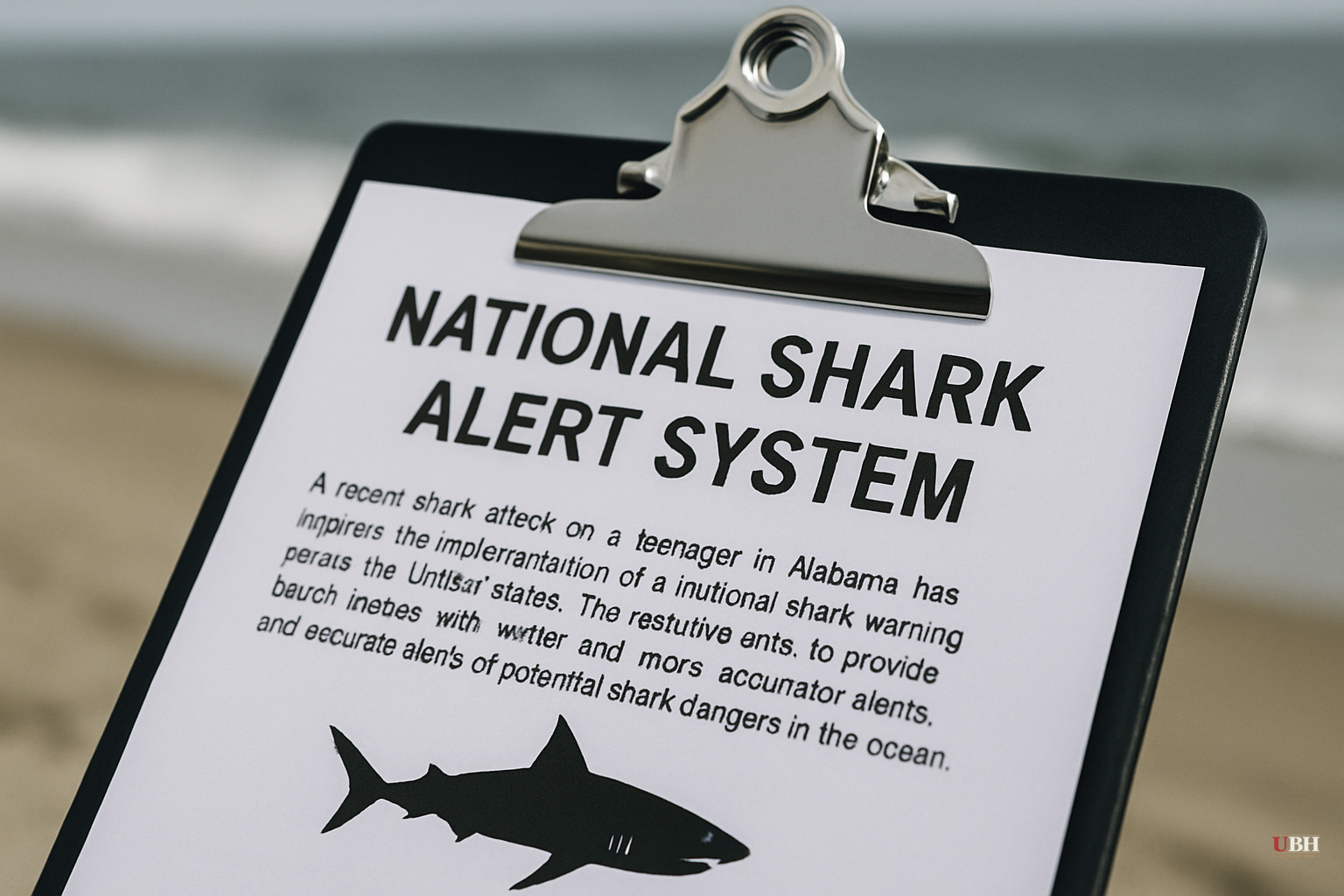
A shark attack on an Alabama teenager has inspired efforts to build a national alert system dedicated to warning beachgoers about shark activity. According to AP News, the incident directly inspired the start of a coordinated, nationwide warning network. The United States currently lacks any standardized federal system for this purpose.
The U.S. has no single federal system that aggregates shark sighting and attack data in real time and pushes warnings to the public the way tornado or AMBER alerts do. Beachgoers today largely depend on local lifeguard decisions, county social media posts, or word of mouth.
Why a National System Makes Sense
The case for a centralized alert system is straightforward. Shark attacks happen across multiple states — Florida, South Carolina, North Carolina, Texas, California, Hawaii — and each jurisdiction handles warnings differently. A swimmer who checks local alerts in one county has no guarantee that a neighboring beach's recent sighting ever reached them.
A national system would pull sighting reports, attack data, and water conditions into one network and push georeferenced alerts to phones, similar to how the National Weather Service pushes severe weather warnings. Standardizing the threshold for an alert — confirmed sighting vs. confirmed attack vs. aerial drone confirmation — would reduce both under-warning and panic-inducing over-warning.
The Legitimate Concerns Worth Taking Seriously
Skeptics of a new federal alert infrastructure raise reasonable points. A poorly designed system could generate so many false-positive alerts that beachgoers tune them out entirely. The same problem plagued early car alarms. Critics also note that shark encounters near shore are statistically rare. Building a new federal bureaucracy around a low-frequency event carries real costs and the risk of mission creep.
Those concerns deserve an answer, not dismissal. A well-scoped system — one that sets a high confirmation bar before triggering an alert and relies on existing Coast Guard, NOAA, and state wildlife infrastructure rather than a new agency — could address both problems. The goal is better information to individuals, not a government expansion for its own sake.
What's Still Unknown
AP News' coverage establishes the origin story — the Alabama teen's attack inspiring the push — but does not detail the funding source, the sponsoring legislation or agency, the timeline for deployment, or which states have signed on. Those are material facts for evaluating whether this becomes a real public-safety tool or a press-release initiative that stalls in committee.
No federal charges, investigations, or regulatory actions are involved here. This is a proposed public-safety infrastructure project at an early stage.
The Open Question
The concrete next step is whether Congress attaches funding to this through NOAA's budget, the Department of Homeland Security's emergency alert infrastructure, or a standalone bill. Coastal states with the most at stake, Florida chief among them, will need to commit to feeding real-time data into whatever system gets built. Without state-level buy-in on data sharing, a national alert system has no signal to send.
Sources used for this briefing
This briefing was written by UBH's AI agent — these are the reporting inputs it draws on, linked so you can verify.


