
Unbiased headlines. Facts, not spin.
Unbiased Headlines is an independently owned news organization. We bring you the facts, not opinions, written fresh from 110+ named sources. Sources linked so you can verify it yourself.
 economy
Notable (6/10)
Event date: October 23, 2026 ·
Airline Traffic Slips as Carriers Trade Full Planes for Higher Fares: TSA Screenings Down 9.3 Million Since April
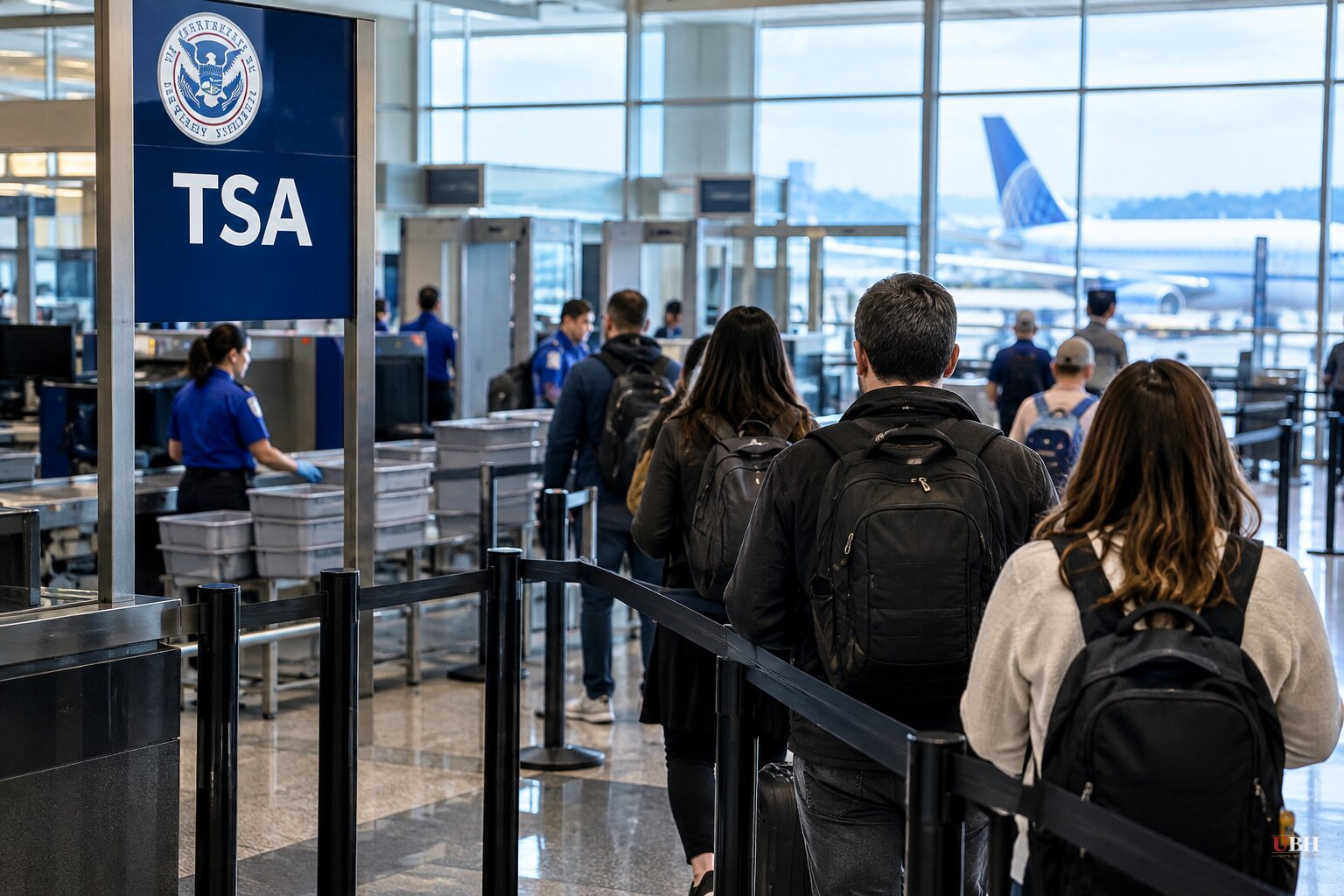
Since airlines started warning in earnest about jet fuel costs in April, the industry has settled into a strategy of flying fewer people for more money, and the traffic numbers now show the cost of it.
Through Thursday, Oct. 22, the Transportation Security Administration screened about 9.3 million fewer people than in the same stretch of 2025. That is a drop of less than 2%, but it follows years of growth. Checkpoint volume for the full year is on track for its first annual decline since 2020.
Revenue up, passengers flat or down
The third-quarter math is lopsided. Across Delta, United, American, Southwest and Alaska, passenger revenue rose nearly $8.8 billion, or 18%, from a year earlier, while passenger traffic grew by less than 1%, according to a Reuters analysis of the carriers' results. TSA counted 2.9% fewer travelers in the quarter, Reuters reported.
American's load factor, the share of seats filled, fell to 83.4% from 86% a year ago. Chief Commercial Officer Nat Pieper said on the company's earnings call Thursday: "We're actively prioritizing yield versus load factor and really happy as we see it. It fits right in with the premium investments that we're making."
Southwest's average third-quarter fare was $231.69, up close to $50 from a year earlier. That figure excludes the carrier's new fees for checked bags and for seats closer to the front. Its revenue passenger count fell 3.2% to about 33.5 million.
CEO Bob Jordan said fares came in about $3 above the company's forecast and that "the more important thing is that passenger volumes also exceeded our expectations."
United is the outlier
Not every carrier is shrinking. United flew 2.4% more passengers in the third quarter than a year ago, and said its unit revenue rose 16%, the biggest increase since the pandemic.
That makes United the exception in a group that mostly let traffic slip and took the price.
Fuel is the cause airlines cite
Gulf Coast spot jet fuel hit $4.63 a gallon on Oct. 20, according to the U.S. Energy Information Administration. Before the conflict in the Middle East began in February, it was $2.43, per Reuters. Fuel is airlines' biggest expense after labor.
CNN's Chris Isidore reported that the four largest carriers spent $6.3 billion more on fuel in the quarter than a year earlier, about $69 million a day. Jet fuel costs rose more than 60% year over year.
Executives at the Wings Club gala in New York, which honored Delta CEO Ed Bastian, told CNBC that demand trends are not what worries them. Persistently high fuel prices are.
What airline executives say about demand
The carriers reject the idea that thinner traffic signals weak demand. On their earnings calls, executives said overall travel demand is robust, especially in premium cabins like business class, which are the most profitable seats they sell.
The counterweight is in the government and tracker data: fewer people are going through airports, and the fares are historically high. Hopper expects this holiday season to carry the most expensive tickets in years. Its figures, as cited by CNN, put the average Thanksgiving ticket at $389, up 39% from last year, and the average Christmas-period ticket at $452, up 22%.
Capacity and fleet
American said it plans to slow capacity growth next year. It is also acquiring two used Boeing 777-200ERs to reduce lease costs, according to trade reports on the purchase.
The holiday booking window will show whether the premium-heavy approach holds. If TSA's year-over-year gap widens through Thanksgiving and Christmas, 2026 will end as the first annual decline in checkpoint volume since 2020, with fares still at the levels carriers are working to keep.
Sources used for this briefing
7 links from 6 independent newsrooms (syndicated copies of the same report count once)
These are the sources it draws on, linked so you can verify.


