
Unbiased headlines. Facts, not spin.
Every story is an unbiased news briefing written from 110+ sources across the spectrum — sources linked so you can verify it yourself.
 finance
Major Story (7/10)
July 25, 2026 at 09:12 PM
finance
Major Story (7/10)
July 25, 2026 at 09:12 PM
AI Momentum Trade Cracks: Chip Stocks Enter Bear Market as Oil Spikes on Iran Fears
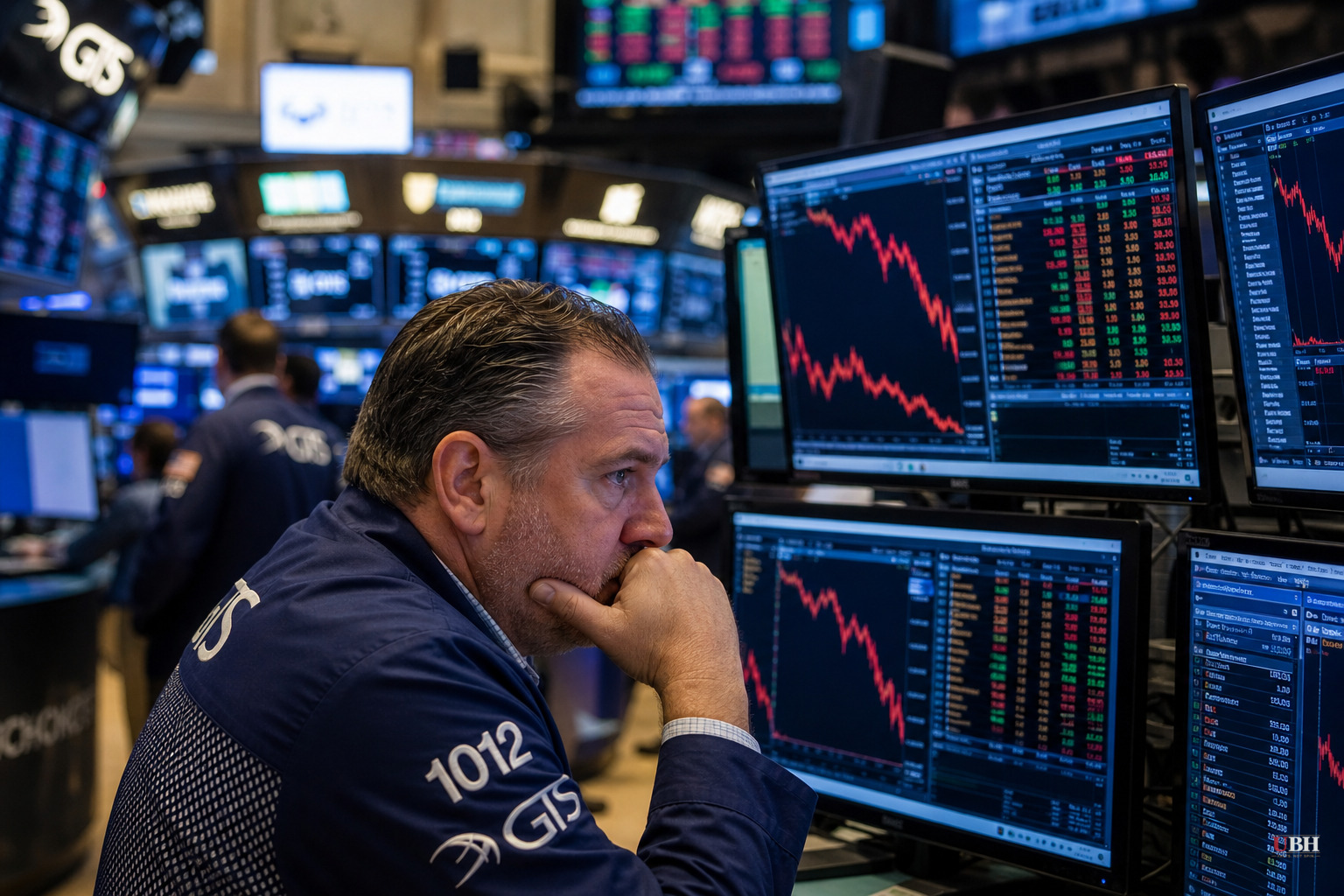
Wall Street just closed its second straight losing week, and the calm headline numbers hid a genuinely ugly rotation underneath, according to Real Investment Advice. The S&P 500 slipped roughly 1.5% to close at 7,457.69. The Nasdaq 100 gave back close to 4%. The Dow barely moved.
Technology stocks got hammered while everything else mostly shrugged it off.
The trade that broke
Goldman Sachs' high-beta momentum basket fell about 24% month-to-date through the first half of July, its worst stretch since April 2009, according to Real Investment Advice. Morgan Stanley's tech momentum index posted a 17-day rate of change of negative 35%, the worst reading in 27 years of tracked data.
This reflects a crowded trade unwinding fast. Chipmakers took the worst of it. The Philadelphia Semiconductor Index dropped more than 10% this week and now sits near a 20% drawdown from its June high, according to Real Investment Advice, the threshold that defines a bear market. Marvell fell 20%. Arm dropped 17%. Micron lost 13%.
One trigger, according to Real Investment Advice: China's Moonshot AI unveiled Kimi K3, a 2.8-trillion-parameter open-weight model that reportedly benchmarked close to leading U.S. systems at a fraction of the cost. That reignited fears that America's AI edge isn't as durable as investors assumed.
Oil surges again on Iran
While chips cratered, oil ripped higher for a third straight week. U.S. benchmark West Texas Intermediate crude jumped more than 8%, and international Brent crude surged nearly 10%, according to CNBC. Real Investment Advice put the weekly move even higher, citing WTI up roughly 14% and Brent up more than 15% amid renewed U.S. and Iran strikes.
The spike started Monday when President Trump warned that Iran would pay for the deaths of three U.S. service members "many times over," according to CNBC. Tensions escalated through the week after Trump threatened to bomb Iranian bridges and power plants and Secretary of State Marco Rubio said Tehran wasn't serious about ending the fighting.
By Thursday, Houthi militants claimed attacks on Saudi oil tankers in the Red Sea, and Brent crude broke above $100 a barrel for the first time since before the U.S. and Iran reached an interim ceasefire last month, according to CNBC. Prices pulled back Friday on hopes of restarted peace talks, but the damage to inflation expectations was done.
The 10-year Treasury yield hit its highest level since January 2025, according to CNBC. Markets are now pricing in a nearly 35% probability of a quarter-point rate hike at the Federal Reserve's upcoming meeting, up from just 13% a week earlier, according to the CME FedWatch tool cited by CNBC.
Rate-hike odds rising because of an oil shock is not the setup bulls wanted.
Alphabet's capex bill spooks investors
Wall Street's patience with unlimited AI spending is thinning. Alphabet reported better-than-expected revenue and earnings Wednesday evening, plus Google Cloud growth of 82% year over year, according to CNBC. Shares still fell 7% Thursday.
Management raised its 2026 capital expenditure outlook to between $195 billion and $205 billion and signaled spending will rise again in 2027, according to CNBC. Free cash flow is turning negative. Investors are no longer willing to fund massive AI buildouts without a clearer path to payback.
Nebius Group felt similar skepticism. The AI infrastructure company's stock closed at $187.77 on July 24, down $33.20, or 15%, in a single session, according to a moomoo community analysis. Volume ran about 45% above its recent average, described as a high-volume institutional distribution event.
No Nebius-specific announcement or regulatory filing explained the drop. The move reflected a sector-wide de-rating of capital-intensive AI companies, concerns that AI spending is outrunning returns, profit-taking after a Nvidia-linked rally, and Nebius's own extreme valuation and short interest.
Market structure still intact
The S&P 500 remains about 6.8% above its rising 200-day moving average near 6,985, according to Real Investment Advice, meaning the broader uptrend is intact even after two rough weeks. The index sits roughly 2% below its June 2 record high of 7,620. The 14-day RSI reads 48.8, described as neutral, not oversold.
One consumer bright spot: the University of Michigan's preliminary July sentiment reading jumped to 54.4 from 49.5 as gasoline prices cooled earlier in the month, according to Real Investment Advice, though that data predates this week's oil spike.
The Federal Reserve's upcoming meeting will be closely watched given that oil-driven inflation fears just pushed hike odds from 13% to nearly 35% in seven days. If crude keeps climbing on Iran headlines, that number could move again before the Fed even meets.
Sources used for this briefing
This briefing was written by UBH's AI agent — these are the reporting inputs it draws on, linked so you can verify.


