
Original briefings. Zero spin.
Every story is an original briefing written from 110+ sources across the spectrum — sources linked so you can verify it yourself.
 tech
Major Story (7/10)
August 24, 2026 at 10:35 PM
tech
Major Story (7/10)
August 24, 2026 at 10:35 PM
AI-Detection Tool Flags Dozens of Federal Appeals Court Opinions as Partly Machine-Written
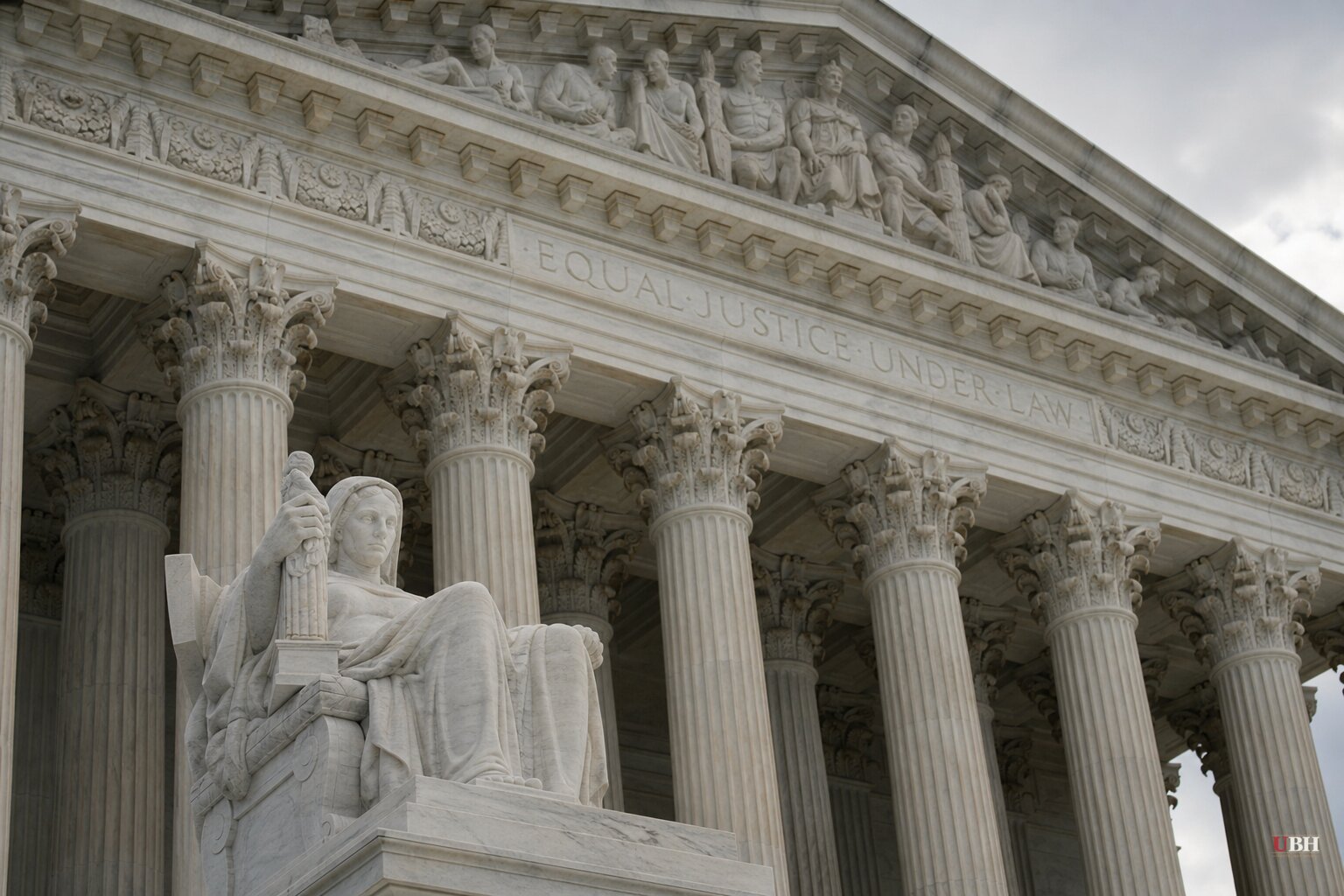
Federal appellate judges write opinions that bind lower courts and decide real people's cases. Some of them, it turns out, may be letting AI write chunks of that text for them.
Josh Morrow, a partner at the law firm Lehotsky Cohn LLP, ran roughly 2,250 published opinions from the regional U.S. circuit courts of appeals, covering January through early August 2026, through an AI-detection tool called Pangram, according to a piece he wrote published by Reason. Dozens of those opinions came back flagged, with Pangram identifying specific passages, some stretching for hundreds of words or multiple pages, as likely AI-generated.
Morrow says he first noticed something off while reading a single opinion. He fed it to Pangram, which flagged large sections as non-human. That prompted the wider search across the full year's output from the circuit courts.
To rule out the tool crying wolf on ordinary legal writing, Morrow tested a baseline: more than 300 published circuit opinions from January 2022, before the current wave of generative AI tools like ChatGPT existed in usable form. Pangram found no signs of AI-generated text in that batch, according to Morrow's account.
Zero flags in a pre-AI baseline. Dozens of flags in this year's opinions. Something changed, and Morrow's data says it's not Pangram getting trigger-happy.
Why the detection claim carries weight
Pangram advertises a false-positive rate of 0.0041%, or about one mistaken flag per 24,000 documents, a figure Morrow cites directly from the company. He also says his own track record backs that up: across hundreds of documents where he independently knew who wrote them, he says Pangram never wrongly flagged human writing as AI.
Third-party AI detectors have a checkered history. Early tools were notoriously unreliable, flagging innocent human writing, especially from non-native English speakers, as machine-generated. That history is exactly why a specific, low false-positive rate matters here, and why Morrow leans on it as his evidence rather than just his gut read.
Still, a detection tool's own marketing claim about its accuracy is not independent verification. Pangram is the company asserting its own 0.0041% false-positive rate. No court, bar association, or independent lab has publicly audited that number against this specific batch of appellate opinions. Readers should treat that figure as Pangram's claim, not an established fact.
What Morrow did not do
Morrow explicitly declined to name which judges wrote or joined the flagged opinions. He frames AI as potentially useful for judges when "used well," saying it can sharpen thinking and prose, and says he's "heartened" some courts appear to be experimenting with it.
That's a notably restrained conclusion for a finding this significant. Morrow isn't accusing any specific judge of outsourcing their judicial reasoning to a chatbot. He's flagging a pattern across the federal appellate system without pointing fingers at individuals, which means the story raises a systemic question rather than delivering a scandal with a name attached.
The unresolved questions
Nobody disputes that judges have used law clerks to draft opinions for as long as the modern federal judiciary has existed. Clerk-drafted language reviewed and adopted by a judge is neither new nor secret. The open question is whether AI-drafted passages are getting the same level of judicial scrutiny, or whether they're being pasted in with less oversight than a human clerk's work would get.
There's also a fairness argument to weigh. Judges under enormous caseload pressure, facing years-long backlogs in some circuits, might reasonably see AI as a tool for handling routine legal boilerplate, the same way spell-check or citation-checking software is now uncontroversial. If a judge reviews and signs off on every word regardless of who or what drafted the first pass, the process arguably works the way judicial review always has.
The counterargument is that federal appellate opinions are not internal memos. They're binding law that citizens, lawyers, and lower courts rely on to know what the Constitution and statutes mean. If AI is generating substantive legal reasoning, not just cleaning up prose, without disclosure to the parties in the case, that's a transparency problem regardless of whether the final text happens to be correct.
Morrow's piece doesn't resolve which of those is happening in the flagged opinions. Reason ran his analysis without independently confirming Pangram's findings against the underlying opinions or seeking comment from the Administrative Office of the U.S. Courts, which sets judicial technology policy, or from any of the circuit courts whose opinions were flagged.
No circuit court, the federal judiciary's governing bodies, or any individual judge has publicly responded to Morrow's findings as of this writing. Whether any circuit issues guidance on AI use in opinion drafting, or whether litigants start challenging opinions on the grounds that a chatbot wrote key passages, remains to be seen.
Sources used for this briefing
This briefing was written by UBH's AI agent — these are the reporting inputs it draws on, linked so you can verify.


