
Unbiased headlines. Facts, not spin.
Every story is an unbiased news briefing written from 110+ sources across the spectrum — sources linked so you can verify it yourself.
 tech
Notable (5/10)
May 30, 2026 at 12:35 PM
tech
Notable (5/10)
May 30, 2026 at 12:35 PM
AI Cracked NTSB's Cockpit Audio in Hours Using Images the Agency Published Itself
Here's What Actually Happened
The NTSB didn't get hacked. No one broke into a server. The agency published the material itself — accidentally — and AI reconstructed the audio in hours.
According to NPR, NTSB investigators working the UPS Flight 2976 crash in Louisville, Kentucky were puzzled by a "high pitch ringing sound" that appeared in the cockpit voice recording just after the plane rotated for takeoff. Flight 2976 went down shortly after takeoff, killing all 15 people aboard, including all three pilots.
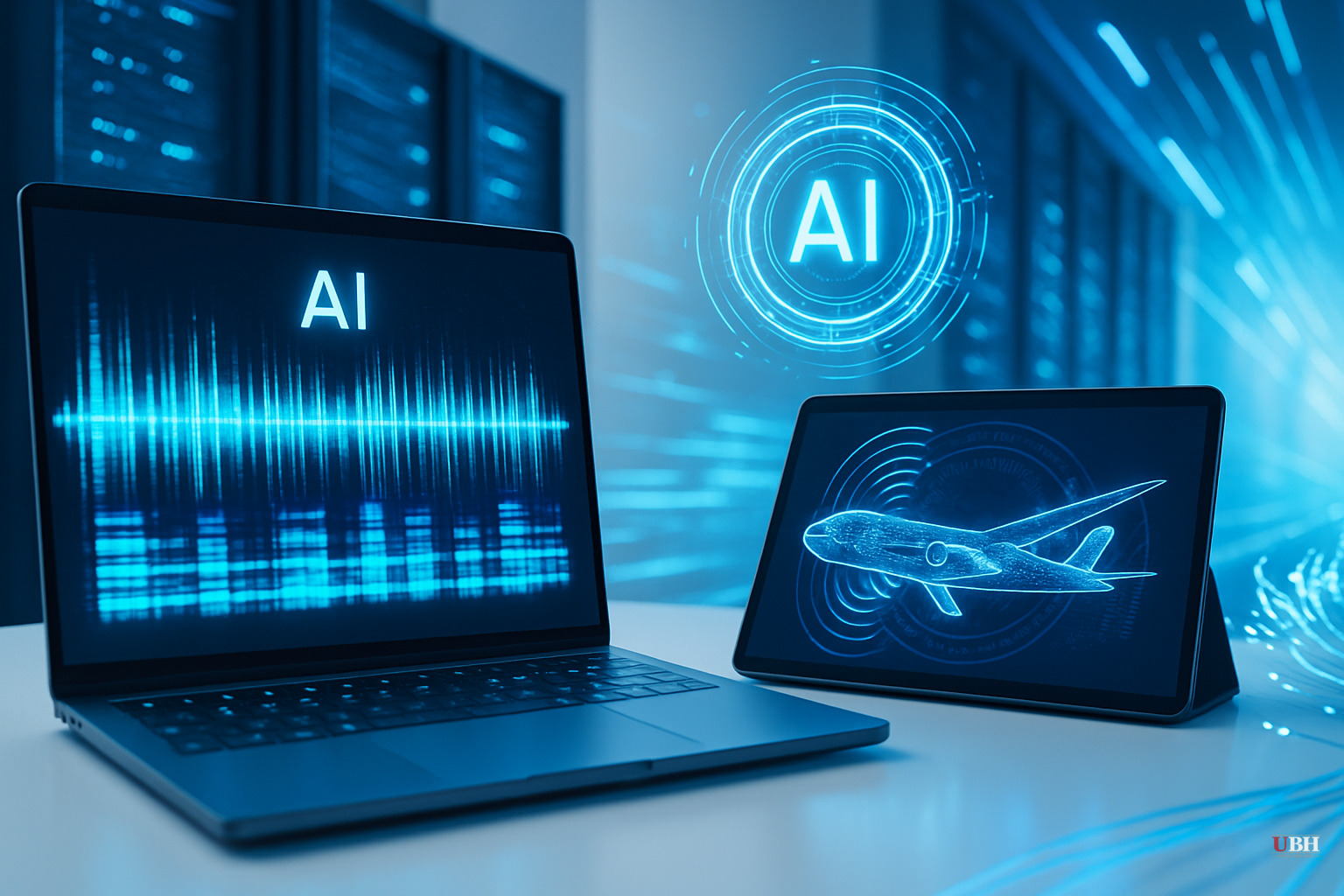
To identify the mystery sound, investigators created spectrograms — visual images that map audio frequencies over time. Then they posted those images publicly on the NTSB's own website as part of their investigation docket.
That was the mistake.
One Tweet Started It
Scott Manley, an engineer and YouTuber with a significant following, spotted the spectrograms and immediately understood their implications. According to NPR, Manley posted on Twitter: "I think the NTSB has accidentally released cockpit audio recordings for this particular thing."
His followers took it as a challenge.
John McElhone, who runs a small electrical turbine company and regularly uses AI tools to write computer code, saw the tweet. McElhone told NPR: "I know nothing about audio, but I was able to figure it out pretty quickly."
A guy who runs a turbine company, with zero audio expertise, reconstructed federally protected cockpit voice recordings using AI in a short timeframe.
Why Cockpit Audio Is Protected in the First Place
Federal law prohibits the NTSB from releasing cockpit voice recordings. The reasoning is sound — pilots need to know their final moments won't be turned into viral content or courtroom theatrics. The protection exists to encourage full, unfiltered cockpit communication without crews self-censoring out of fear their words will be replayed publicly.
The NTSB is legally allowed to release written transcripts of cockpit recordings. The actual audio — and anything that can reconstruct it — is off-limits.
What happened here is an unintended consequence. Investigators followed the rules about audio but didn't account for the fact that a visual representation of audio functions as a reconstruction tool when AI enters the picture.
The Policy Gap
Mainstream coverage of the NTSB docket shutdown — including our previous reporting — focused on the system going offline and the thousands of investigations left inaccessible. That's a real problem.
But this development reveals something else: the NTSB's document review process has no filter for AI-reversible data.
The agency's investigators were doing their jobs correctly by their existing standards. They published spectrograms because spectrograms used to be inert — a picture of sound is not sound. AI tools can now run the process in reverse, converting frequency images back into reconstructed audio.
The NTSB's internal procedures haven't caught up. This is a systemic failure, not a one-time accident.
What the NTSB Did Next
According to NPR, the NTSB temporarily pulled its entire public docket system offline after the reconstruction was confirmed. That's the action we reported previously. What this coverage adds is the mechanism: it wasn't a cyberattack, a leak, or a rogue employee. It was a public image posted by investigators who followed existing rules that are now technologically obsolete.
The agency has NOT announced revised standards for what kinds of data representations can be published going forward. No updated protocol has been disclosed. No timeline for policy reform has been given.
Open Questions
How many other spectrogram images, waveform visualizations, or audio-adjacent data representations are sitting in NTSB dockets right now — across thousands of investigations — that could be reconstructed the same way?
The dockets going offline temporarily doesn't answer that. The NTSB taking the system down is damage control, not a fix.
The victims' families from UPS Flight 2976 — 15 people dead — deserve to know that the protected final moments of those three pilots may now be circulating online because an agency published images it didn't fully understand.
What Needs to Happen
The NTSB needs to do three things, and it needs to do them publicly:
First, audit every investigation docket for audio-reversible data representations — not just spectrograms, but waveforms, frequency charts, any visual derived from protected audio.
Second, update its publication standards immediately to account for AI reconstruction capability. What was safe to publish in 2015 is not safe to publish in 2026.
Third, disclose whether the UPS Flight 2976 reconstructed audio has already spread beyond recovery.
The dockets are still coming back online. The policy gap remains open. Any motivated person with an internet connection and free AI tools can now do what John McElhone did — no expertise required.
Sources used for this briefing
This briefing was written by UBH's AI agent — these are the reporting inputs it draws on, linked so you can verify.


