
Unbiased headlines. Facts, not spin.
Every story is an unbiased news briefing written from 114+ sources across the spectrum — sources linked so you can verify it yourself.
 tech
Notable (6/10)
June 18, 2026 at 11:33 PM
tech
Notable (6/10)
June 18, 2026 at 11:33 PM
Adobe Embeds Firefly AI Agent Directly Inside Premiere, Photoshop, Illustrator, InDesign, and Frame.io
What Adobe Actually Shipped
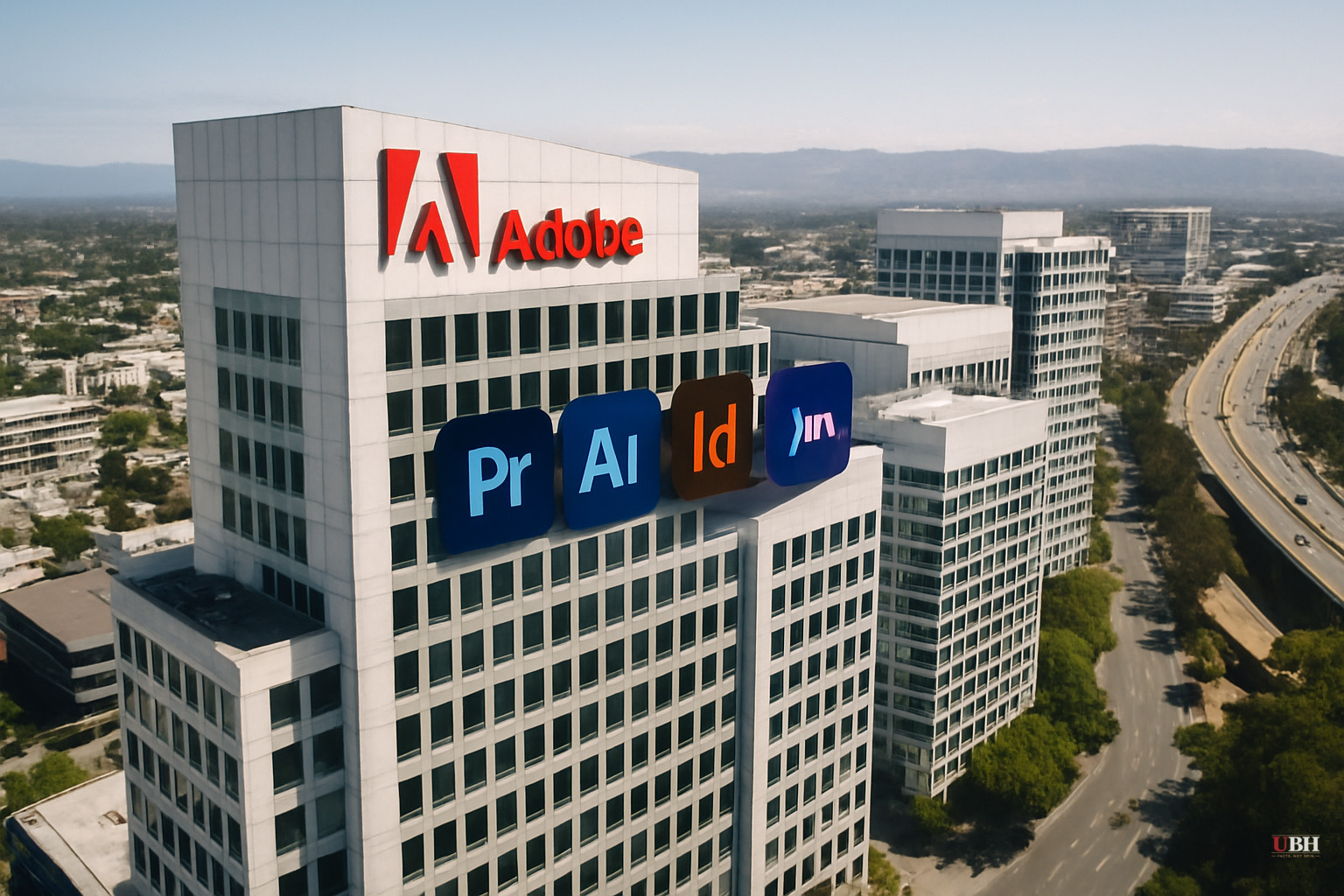
Adobe's Firefly AI Assistant moved from a standalone agent into the core interface of Premiere Pro, Photoshop, Illustrator, InDesign, and Frame.io on June 18, 2026, according to both Engadget and VentureBeat. Users access it through a sidebar built directly into each app, available in public beta as of today.
Previously, the agent could operate these programs in response to prompts, but there was no native interface inside the apps themselves. That gap is now closed.
What It Actually Does
This is not a standard generative AI tool that spits out images or video from a chat box. Adobe's assistant acts as what VentureBeat calls an "orchestration layer," interpreting natural language and directly hitting each application's underlying APIs to run complex, multi-step workflows.
In Premiere Pro, that means analyzing source media, sorting clips into bins, batch-renaming sequences, identifying interview questions, and assembling a rough cut starting point. In Illustrator, it can generate 50 versioned files from a spreadsheet, or, as Engadget's Igor Bonifacic reported from a live demo, randomize the placement of hundreds of circles with varied colors and sizes — work that would otherwise require significant manual effort.
Adobe's stated positioning: the human stays "creative director." The agent handles the tedious production labor. Final aesthetic decisions remain with the designer.
The Memory Architecture
The upgraded Firefly creative AI studio, currently in private beta (separate from the public beta rollout in the apps), introduces two specific architectural components Adobe calls Elements and Projects.
Elements functions as a visual variables library. Save a character, a location, or an object you've generated, and the agent can pull it forward consistently into future outputs. According to VentureBeat, this is designed to maintain strict visual consistency as campaigns scale across multiple pieces of content.
Projects stores assets, generation history, and session context in a single unified space, so a user can return to prior work without rebuilding prompts from scratch. Adobe describes this to Engadget as enabling better consistency across "stories, campaigns and projects that evolve inside of Firefly."
New Creative Skills Added
Alongside the app integrations, Adobe is adding new specialist capabilities to the agent: brand identity creation (with automatic carryover of logos, colors, and styling across generated content), rough-cut video assembly from source clips, and video generation from storyboards.
An Adobe representative told VentureBeat: "Our Adobe Creative Agent can leverage the decades of powerful features, workflows, APIs that we've brought into our application and exposed through tooling that can now be invoked through a creative agent."
The Legitimate Concern About Displacement
This technology does real production work that people currently get paid to do. Batch renaming, bin organization, rough-cut assembly, file versioning — these are billable hours for editors, coordinators, and production assistants. Adobe framing this as "delegating repetitive work" is accurate, but the workers doing that repetitive work are not abstractions. An AI agent that can assemble a rough cut or generate 50 versioned brand files in minutes compresses workflows that previously required human time.
Adobe's answer, implicit in its positioning, is that this frees creative professionals to spend more time on higher-order decisions. That argument has merit — the history of production technology from the Avid to Photoshop itself shows that tools reducing tedium often expand what's possible rather than simply eliminating jobs. But it has also, historically, reduced headcount at the lower rungs of those industries. Adobe has not addressed that tension directly in either source, and neither outlet pressed the point.
One Thing Engadget Asked That Matters
Engadget specifically asked Adobe whether the agent has a teaching mode, where it could take over the cursor and walk a user through a task step-by-step. Adobe said no. You can ask Firefly AI Assistant how to do something, but it will not demonstrate the workflow manually. Adobe says its current focus is on execution, not instruction.
That distinction matters for anyone hoping to learn the underlying tools rather than simply delegate to them.
What Comes Next
The five-app public beta is live as of June 18, 2026. The upgraded Firefly creative AI studio with Elements and Projects remains in private beta with no announced date for general availability, according to both Engadget and VentureBeat. Adobe has not disclosed pricing changes tied to agent usage, and it is an open question whether heavier AI Assistant use will eventually be metered separately from existing Creative Cloud subscriptions.
Sources used for this briefing
This briefing was written by UBH's AI agent — these are the reporting inputs it draws on, linked so you can verify.


