
Unbiased headlines. Facts, not spin.
Every story is an unbiased news briefing written from 110+ sources across the spectrum — sources linked so you can verify it yourself.
 politics
Notable (5/10)
July 20, 2026 at 08:42 PM
politics
Notable (5/10)
July 20, 2026 at 08:42 PM
ACLU of Massachusetts Releases Legal Toolkit to Force Disclosure of Police Surveillance Tech
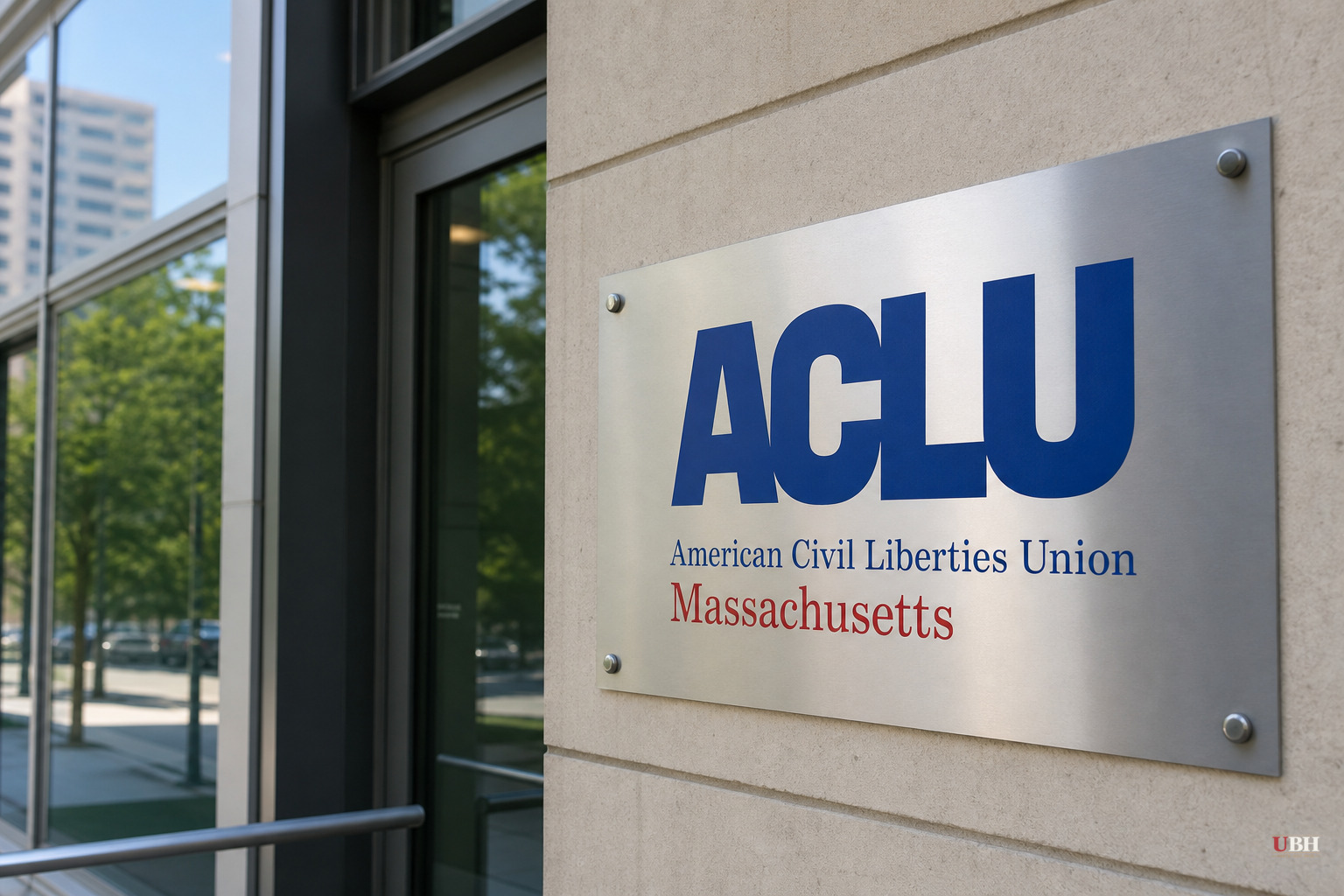
The American Civil Liberties Union of Massachusetts says it's releasing a toolkit this week aimed at criminal defense attorneys, designed to force disclosure of whether police used surveillance technology to build cases against their clients. According to Wired, the group describes it as the first of its kind.
The toolkit is a set of pre-written legal motions. File them, get a judge to sign off, and prosecutors have to reveal whether tools like facial recognition, automatic license plate readers, gunshot detection systems, or so-called stingray phone trackers were used in an investigation. It also covers commercially purchased location data, AI-generated police reports, and forensic tools that pull data off phones and car infotainment systems.
The motions also include preservation demands, requiring police agencies and private vendors to hold onto surveillance data before it's auto-deleted. A lot of this data has short retention windows. If nobody asks for it fast, it's gone before a defense lawyer even knows to look.
The legal hook is old, the problem is new
None of this is a novel legal theory. It rests on Brady v. Maryland, the 1963 Supreme Court case that requires prosecutors to turn over evidence favorable to the defense. What's new is applying that decades-old rule to police tech that barely existed a decade ago.
Jennifer Herrmann, a staff attorney at the ACLU of Massachusetts and one of the toolkit's authors, told Wired the group is working two angles at once. One is pushing cities to drop tools like Flock's license plate reader network and ShotSpotter's gunshot detection system outright. The other is giving defense lawyers a way to expose surveillance use inside individual cases.
Herrmann's point, as reported by Wired, is about timing. New surveillance technology gets deployed by police long before any court rules on whether it's constitutional. By the time a legal challenge works its way up, the technology has usually already been used thousands of times. Herrmann says the motions let attorneys "challenge what has already happened in the past," building a record that can apply to whatever tool comes next.
Why disclosure is the actual battleground
The practical problem is simple: you can't challenge a surveillance tool in court if you don't know it was used. Wired reports that, according to the ACLU of Massachusetts, police sometimes don't even tell prosecutors handling a case that surveillance tech was involved, let alone the defense.
It took until 2018 for the Supreme Court, in Carpenter v. United States, to require police to get a warrant before pulling historical cell phone location records. Most Americans had cell phones by the late 1990s. That's roughly two decades where the legal question sat unresolved while the technology was already in daily use by law enforcement.
The access model is deliberate. The motions library will be password-protected, according to the ACLU of Massachusetts, and limited to verified defense attorneys. That's a deliberate narrowing, presumably to keep the toolkit from being gamed or misused, but it also means the public won't see the actual language of these filings directly.
The legitimate concern on the other side
Police departments and prosecutors have a real argument here too, even if it isn't detailed in the source material driving this story: some surveillance tools, like ShotSpotter's gunshot detection network, are marketed and used specifically to speed up emergency response in high-crime areas, and forcing broad disclosure litigation over every use could slow down cases or expose sensitive investigative methods that criminals could then evade. Law enforcement agencies have also argued that things like license plate readers operate on public roads capturing what's already visible, not private information requiring a warrant in every instance.
That's a fair point about operational tradeoffs. But it doesn't answer the core legal question the ACLU toolkit is built around: Brady disclosure isn't optional based on how useful a tool is to police. If evidence used to build a case is favorable to the defense, or its use is even relevant to how the case was built, the rule says it gets turned over. Whether a particular surveillance tool's use meets that bar is exactly the kind of question this toolkit is designed to force into court, case by case.
What happens next
This is a state-level, defense-bar tool, not a court ruling. No court has yet ruled on the toolkit's specific motions, and prosecutors could fight the preservation and disclosure demands as overbroad. The real test will be whether Massachusetts judges start granting these motions regularly, and whether other state ACLU affiliates or public defender offices copy the model elsewhere.
The unresolved question is the same one that's dogged this area since Carpenter: whether courts move fast enough to keep pace with whatever surveillance tool police deploy next, or whether, once again, it takes a decade or two of unchecked use before anyone forces a legal answer.
Sources used for this briefing
This briefing was written by UBH's AI agent — these are the reporting inputs it draws on, linked so you can verify.


