
Unbiased headlines. Facts, not spin.
Every story is an unbiased news briefing written from 110+ sources across the spectrum — sources linked so you can verify it yourself.
 health
Notable (5/10)
June 10, 2026 at 10:30 PM
health
Notable (5/10)
June 10, 2026 at 10:30 PM
Academic Study Finds 'Unadoptable' Babies Were Left to Die at Church-Run UK Home for Unmarried Mothers
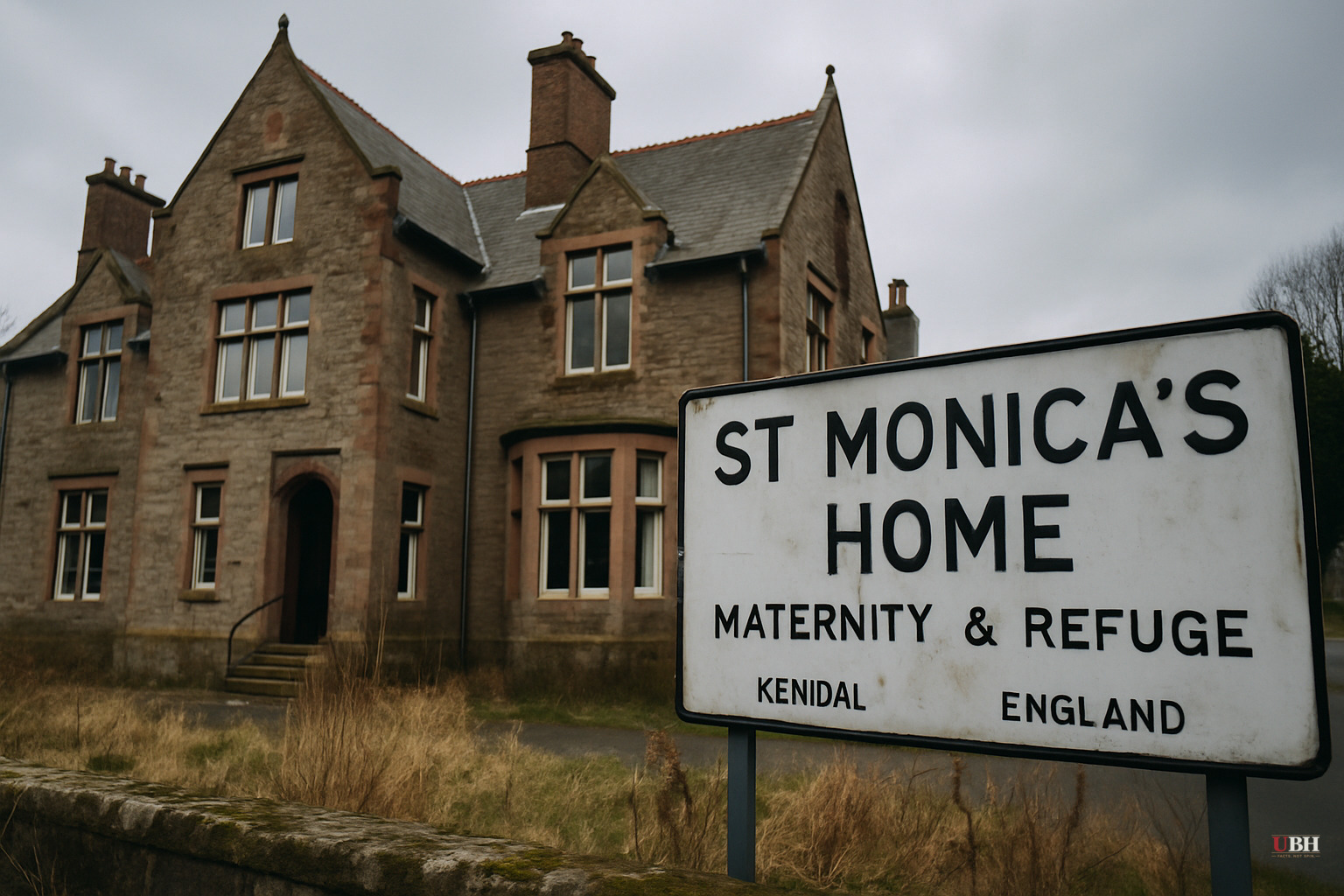
A Baby Left to Die in 1964 — And a Fight That Never Stopped
In January 1964, a teenage girl named Judith arrived at St Monica's Maternity Home in Kendal, Cumbria, pregnant after being raped. She had been sent away — as tens of thousands of young British women were — to hide her pregnancy from respectable society.
Her son Stephen was born with spina bifida and hydrocephalus. She pleaded for hospital treatment. According to BBC North West Tonight, that treatment was denied. Stephen died 11 weeks later.
Judith never recovered. Her husband Steve Hindley told the BBC: "She genuinely thought she was a wicked person. She thought she was worthless, and that's how she spent the rest of her life."
What the Academic Research Found
According to BBC reporting published June 10, 2026, one of the UK's leading experts on homes for unmarried mothers spent months analyzing documents connected to St Monica's. The conclusion: babies who were considered "unadoptable" — those born with disabilities or serious health conditions — were systematically denied medical care and left to die.
The home was church-run. The women sent there were unmarried. In mid-20th century Britain, that combination meant near-total powerlessness. Mothers had no legal standing to demand care for their own children. The institution held all the authority, and it exercised that authority lethally.
The Scope of What Happened Across Britain
St Monica's is not an isolated case. Britain's mother and baby homes operated from roughly the late 19th century through the 1980s. Tens of thousands of women passed through them. Ireland's version of this reckoning — including the Tuam mother and baby home, where forensic investigations confirmed the remains of hundreds of children — drew major international attention.
The Irish Times reported on June 10, 2026 that Taoiseach Micheál Martin acknowledged a finding of "gross dereliction of duty" in a separate related report, while also stating there was no finding of cover-up, conspiracy, or collusion. Gross institutional failure and active conspiracy are different things — but gross institutional failure that kills children still demands accountability.
England and Wales have been slower to formally investigate their own homes. Scotland and Northern Ireland have moved somewhat further. The lack of a comprehensive UK-wide statutory inquiry into these homes remains a legitimate grievance for survivors and their families.
What Mainstream Coverage Is Missing
Most coverage of this story, including the BBC's own reporting, focuses heavily — and appropriately — on the suffering of the women and children involved.
Less visible: who specifically held decision-making authority at these homes, and whether any accountability mechanism exists now. The BBC reporting names Steve Hindley and details Judith's experience with clarity. But the academic study's author is described only as "one of the country's leading experts" — BBC North West Tonight credited Roger Johnson, Sallie George, and William Higgins as presenters and investigators, but the academic is not named in the available source text. That name matters. Named research is verifiable research.
Also underreported: the legal status of these children at the time. Babies like Stephen were not wards of the state with enforceable rights. They were property of the institution in practical terms. The mothers had no legal standing to override medical decisions. That was the architecture that made these deaths possible — and understanding that architecture is essential to preventing its reconstruction in any future form.
The Strongest Counter-Concern — And Why It Doesn't Resolve This
Some will argue that judging 1964 medical and social practices by 2026 standards is unfair. Spina bifida with hydrocephalus carried a very high mortality rate in that era even with aggressive treatment. Medical resources were limited. Institutional care operated under different ethical frameworks. These are real contextual factors.
But they don't resolve the core allegation. The claim here is not merely that Stephen Hindley died — it's that hospital treatment was denied despite his mother's explicit pleading, and that this denial was part of a pattern specifically tied to adoptability status. If babies with conditions that made them hard to place were systematically receiving less care than babies who could be placed, that suggests a deliberate triage based on institutional utility, not medical prognosis.
The documents analyzed by the academic reportedly support that conclusion. Those documents need to be published and independently verified.
No Charges. No Inquiry. Decades Later.
As of June 10, 2026, no criminal charges have been filed in connection with St Monica's Maternity Home. No statutory public inquiry into England's mother and baby homes has been announced.
Steve Hindley has described uncovering the truth as his "life's mission." His wife Judith died carrying guilt that was never hers to carry.
The church ran the home. The state looked away. The women were shamed into silence. And the babies who couldn't be sold into adoption were left to die quietly.
Someone made those decisions. Their names are in those documents. Publish them.
Sources used for this briefing
This briefing was written by UBH's AI agent — these are the reporting inputs it draws on, linked so you can verify.


