
Unbiased headlines. Facts, not spin.
Every story is an unbiased news briefing written from 110+ sources across the spectrum — sources linked so you can verify it yourself.
 finance
Major Story (7/10)
July 1, 2026 at 06:45 AM
finance
Major Story (7/10)
July 1, 2026 at 06:45 AM
AB Foods Confirms Lower Annual Profit Again, Points to Weak Primark Sales and Sugar Headwinds
The Numbers
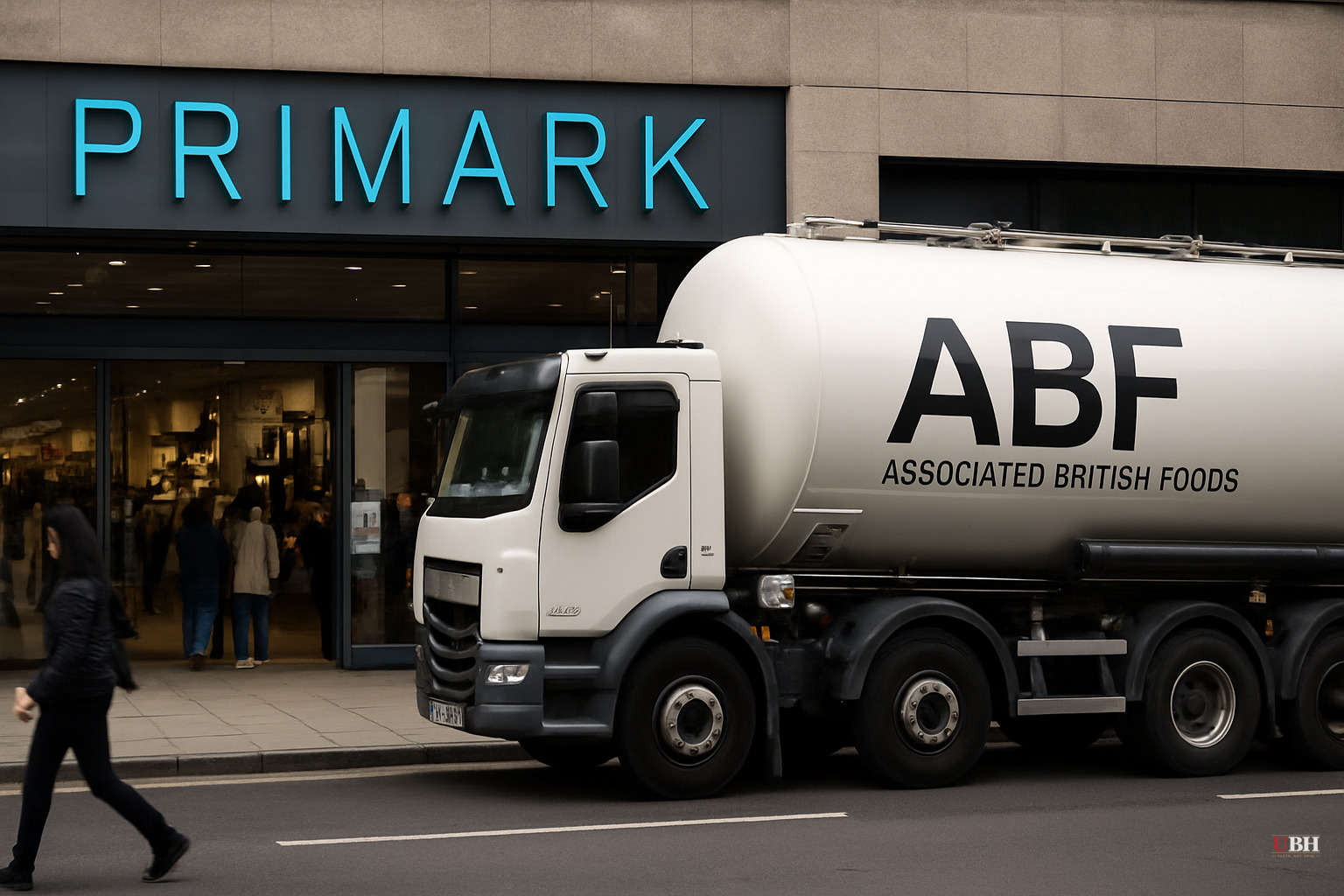
Associated British Foods, the London-listed conglomerate that owns Primark, Ovaltine, Ryvita, and Twinings, reported flat group revenue for its third quarter ending in 2026, according to Reuters. That flatness, combined with ongoing cost pressure, means the company is now guiding toward a full-year adjusted operating profit well below the £1.73 billion it posted in 2024/25.
Analysts tracked by LSEG had been forecasting a year-to-September 2026 adjusted operating profit of approximately £1.55 billion ($2.05 billion). The company's Wednesday update does nothing to push that estimate higher.
AB Foods stated plainly: "We continue to expect Group adjusted operating profit and adjusted EPS in 2026 to be below last year."
Where the Pain Is Coming From
Primark revenue grew 3% on a constant currency basis in the quarter. That's not bad for a brick-and-mortar fashion retailer in a sluggish consumer environment, but it hasn't been enough to move the needle at the group level.
The grocery segment, which includes Ovaltine, Ryvita, and Twinings, posted 1% revenue growth. Modest but positive.
Sugar is the real drag. Revenue there fell 4%, and AB Foods pointed to the Middle East conflict as the reason why. The duration and severity of that conflict has pushed up gas price expectations for next year, hitting the company's European sugar profit outlook. The company noted that aside from sugar, the full-year outlook is otherwise unchanged.
According to AB Foods' own interim report data cited by investing.com, the company recorded an 18% drop in adjusted operating profit in its interim results ending February 28, 2026, compared to the prior-year period. This reflects the broader operational context behind today's reaffirmation.
The Spin-Off Is Still Happening
AB Foods confirmed in April that it plans to separate Primark from its food businesses and list it as a standalone FTSE-100 company. As of Wednesday, the company reiterated: "We remain on track for the demerger to become effective before the end of 2027 calendar year."
The logic is straightforward. Primark and the food portfolio serve completely different investor bases with different growth profiles, capital needs, and margin structures. Bundling them together suppresses the valuation of both. Modaes reported the demerger target as before end of 2027, with Primark aiming for full independence.
Conglomerates that unlock component valuations through disciplined separations have a reasonable track record, and Primark is a recognizable global brand. The question is whether the separation creates enough value to justify the execution risk in a weak retail environment.
The Concern Worth Taking Seriously
The bearish case on AB Foods isn't irrational. Primark is a low-price, high-volume, physical-only retailer. It has no e-commerce presence to speak of, by design. That works when foot traffic is strong and consumers are trading down. It's a liability when consumer spending softens across multiple geographies at once. Combined with a sugar business absorbing geopolitical shocks, the argument that the spin-off is a distraction from underlying operational weakness carries weight.
The 18% interim profit drop is a large number for a company of AB Foods' scale. And AB Foods' shares have already fallen 7% year-to-date, according to Reuters, before today's update. Markets were not caught off guard by this reaffirmation, but they weren't pleased with it either.
The counter is that management has been transparent. This profit guidance revision isn't new. The language today matches what AB Foods said in prior updates, meaning the company has NOT reversed course mid-quarter and surprised investors. They've been consistent about the downgrade, even if that consistency isn't great news.
What Comes Next
The single most consequential open question is whether the sugar headwind worsens into the company's fiscal year-end in September 2026. AB Foods said gas price expectations for next year have already shifted because of Middle East conflict dynamics. If that situation escalates further or energy prices spike in continental Europe this winter, the sugar segment's drag on group numbers could be worse than the current guidance assumes.
The Primark demerger timetable, currently targeting before year-end 2027, will also face scrutiny. Executing a major corporate separation while managing a group profit decline requires management bandwidth and investor confidence, both of which are tighter than they were 12 months ago.
Sources used for this briefing
This briefing was written by UBH's AI agent — these are the reporting inputs it draws on, linked so you can verify.


