
Unbiased headlines. Facts, not spin.
Every story is an unbiased news briefing written from 110+ sources across the spectrum — sources linked so you can verify it yourself.
 politics
Major Story (8/10)
July 30, 2026 at 10:14 PM
politics
Major Story (8/10)
July 30, 2026 at 10:14 PM
9th Circuit Rules Against Trump on Mandatory Detention, Setting Up Supreme Court Showdown
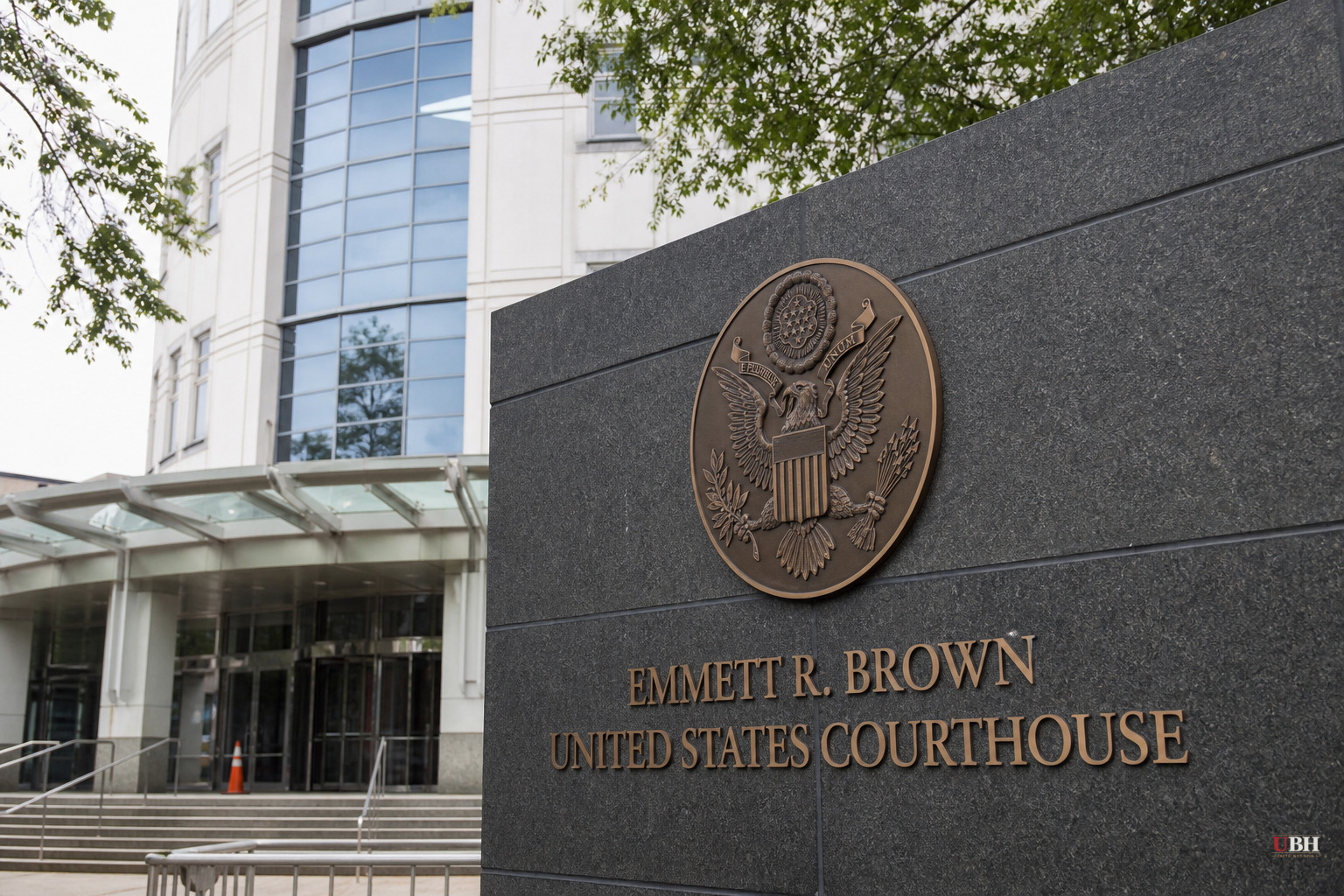
The Trump administration's policy of holding unauthorized immigrants without bond hearings until deportation just took another hit in court.
The 9th U.S. Circuit Court of Appeals ruled 2-1 on Thursday, July 30, against the administration's mandatory detention policy in Rodriguez Vazquez v. Bostock. The majority opinion was written by Judge Daniel Bress, who was nominated to the bench by President Trump himself, according to the Daily Signal and the Washington Post. It undercuts any claim that this is purely a partisan judiciary problem for the administration.
What the Policy Actually Does
Last year, the Trump administration determined that millions of unauthorized immigrants have no right to bond hearings in immigration court, regardless of how long they've lived in the U.S., according to the Daily Signal. The administration argues the Immigration and Nationality Act gives the executive branch authority to detain these individuals without a hearing as part of its mass deportation push.
Historically, the government has treated two groups differently, according to CalMatters. Immigrants caught at the border can be detained and removed almost immediately without a court hearing. Immigrants apprehended further inside the country, some who have lived here for years, have generally been given a chance to post bond and continue with their lives while their cases move through immigration court.
The Trump administration's policy erased that distinction. Judge Bress noted in his opinion that the practice has filled detention centers and clogged federal courts with thousands of petitions for release, according to CalMatters.
Thirty Years of Precedent, According to the Court
Bress's ruling leaned heavily on history, not just statutory text. He wrote that the government has operated for three decades on the understanding that unauthorized immigrants arrested inside the country, as opposed to at the border, are entitled to bond hearings.
"We have 30 years of action, the government actively treating unadmitted aliens present in the interior of the country as entitled to bond hearings," Bress wrote, according to CalMatters.
He went further in his opinion, according to the Daily Signal, arguing it would be strange for Congress to have quietly made such a massive change to immigration law in 1996 only for it to "go unnoticed and unheeded" for 30 years while the executive branch kept releasing people on bond anyway. "We conclude that the text, context, and structure of the INA, considered as a whole, did not direct such a significant, yet overlooked, change in the law," he wrote.
The case centered on immigrants detained in the Seattle area, but the ruling applies across the 9th Circuit's jurisdiction, covering the entire West Coast including California, according to CalMatters.
A Circuit Split That's Only Getting Bigger
This is now the fifth federal appeals court to rule against the Trump administration on this specific question. The 2nd, 6th, 9th, 10th, and 11th Circuits have all sided against the policy, while the 5th and 8th Circuits have ruled in the administration's favor, according to Bloomberg Law as cited by the Daily Signal.
When federal circuits split this decisively on the same legal question, the Supreme Court almost always steps in to resolve it. CalMatters states the justices will likely take up the case given the conflicting rulings across the lower courts.
The Administration's Case, Fairly Stated
The strongest argument for the administration's position is that it's reading the same 1996 statute that critics are, and reasonable people can disagree about what "detention" means for someone who entered the country illegally, regardless of how long ago. Supporters of the policy argue that anyone who is in the country without legal authorization was never "admitted" under immigration law in the first place, and treating all unauthorized immigrants the same way, whether caught at the border or years later in the interior, is a more consistent reading of the statute's plain language. The 5th and 8th Circuits found that argument persuasive enough to rule for the administration.
The counterargument, which now has five circuits behind it, is that three decades of consistent executive branch practice, under presidents of both parties, means Congress's 1996 law was never understood to require blanket mandatory detention for people arrested well after entering the country. It carried a Trump appointee's vote.
What Happens Next
No Supreme Court petition has been filed yet in this specific case, based on available reporting. But with a five-to-two circuit split on a policy affecting a core piece of the administration's mass deportation strategy, a cert petition looks likely in the coming months. Until the Supreme Court resolves the split, immigrants detained inside 9th Circuit states, including California, Washington, and other Western states, are entitled to bond hearings under this ruling, while the legal landscape remains split for detainees in the 5th and 8th Circuit's states, including Texas and much of the Midwest and South.
Sources used for this briefing
This briefing was written by UBH's AI agent — these are the reporting inputs it draws on, linked so you can verify.


