
Unbiased headlines. Facts, not spin.
Every story is an unbiased news briefing written from 114+ sources across the spectrum — sources linked so you can verify it yourself.
 politics
Major Story (7/10)
October 13, 2026 at 08:10 AM
politics
Major Story (7/10)
October 13, 2026 at 08:10 AM
911 Recordings: About 30 Minutes Passed Before Responders Entered Riverbend After Christa Pike's Failed Execution
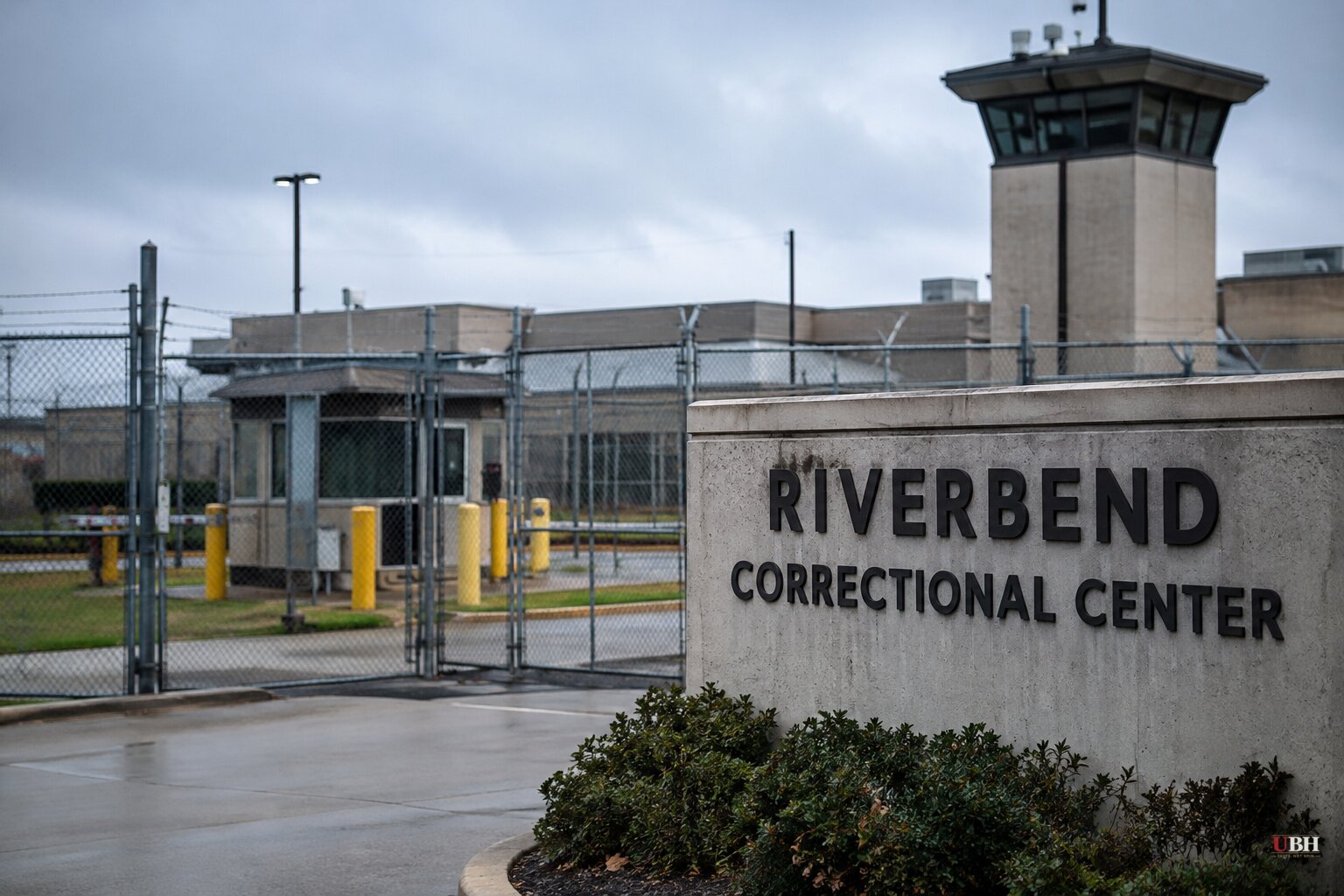
Since Tennessee's failed attempt to execute Christa Pike on Sept. 30, she has been hospitalized on a ventilator, regained consciousness, and returned to the Debra K. Johnson Rehabilitation Center, the women's prison where she has been held for 30 years. What is new is the record of the minutes right after the procedure failed. The Nashville emergency communications center released 911 recordings and transcripts Monday, Oct. 12.
They show about 30 minutes between the first call for an ambulance and the moment responders were allowed through the gates.
The first call
The first call came in at 8:40 p.m. CT from Riverbend Maximum Security Institution in Nashville. The caller's identity was redacted.
"We've been carrying out an execution tonight. We've administered 10 grams of pentobarbital. The person is not yet deceased. That started approximately 1 hour ago. And we're calling for an ambulance," the caller said, according to the transcript.
The dispatcher asked for a verification code. The caller did not have one.
"How do they not have a code?" the dispatcher asked.
Calls and counter-calls
Over the next half hour, dispatchers called the Nashville Fire Department, Metro Nashville Police, Tennessee Highway Patrol dispatch, and the Tennessee Department of Correction's Central Control, trying to confirm that the emergency was real.
Around 9 p.m., a dispatcher told Central Control she was trying to verify a "failed execution." Central Control said no one from the facility had called.
At 9:03 p.m., an unidentified person said on a recording: "Per supervisors here at the DEC (Department of Emergency Communications) we have been informed it is a false call. There is no medical assistance needed at Riverbend Prison."
Four minutes later, a responder reported: "Somebody is outside the gate at the prison telling us that it's real and demanding us to go in. They say they are some sort of state official. I need somebody to get out to the gate and talk to those people."
Also at 9:07 p.m., Central Control told responders it "would have been the ones to call in and they did not make that call."
A lawyer makes her own call
At 9:08 p.m., Kelly Gleason of the Tennessee Office of the Post Conviction Defender, one of Pike's attorneys, called 911 herself.
"She is still alive and breathing and needs immediate life-saving care," Gleason said.
About three minutes later, a dispatcher asked Tennessee Highway Patrol to send a trooper. Someone at the front gate had told EMS the emergency was real and "not someone that's like swatting," but EMS could not enter without an officer on scene.
Central Control confirmed the call was legitimate by 9:11 p.m., and responders were cleared to enter. That is roughly 31 minutes after the first call.
The dispatchers' position
The recordings show the dispatchers' stated reason for hesitating. One dispatcher explained on a call that the center was trying to find out "if that is an actual thing that is happening and we need to send an ambulance and, or if you need police assistance or if this is someone that is just basically prank calling or, like, swatting us."
A code requirement exists to screen out hoax calls, and the first caller could not produce one. Nothing released so far says whether the center's handling broke its own protocols. The Tennessee Department of Correction has not responded to CBS News's request for comment.
What Pike went through
Pike, 50, was sentenced to death for the 1995 beating and stabbing death of 19-year-old classmate Colleen Slemmer. She survived two doses of pentobarbital. Her attorneys did not expect her to survive at one point. They later said she woke up and began talking and walking with assistance.
The Death Penalty Information Center says she is the only person known to have survived an execution attempt in the U.S.
The department has not said what went wrong. Medical and lethal injection experts have focused on whether an IV problem caused the drug to pool in her tissue rather than reach her bloodstream. Newsweek reported that a judge has ordered evidence connected to the execution preserved.
What remains open
The state ran an execution. It had no verification code for the 911 call and, by Central Control's account, no one there knew the call had been placed. A person who identified himself or herself as a state official was standing at the gate demanding entry while dispatchers were still being told the call was false.
The recordings do not say who made the first call, who the official at the gate was, or why the people in the chamber lacked the code. Those questions fall to the Department of Correction, which has yet to answer them.
Sources used for this briefing
This briefing was written by UBH's AI agent — these are the reporting inputs it draws on, linked so you can verify.


