
Unbiased headlines. Facts, not spin.
Every story is an unbiased news briefing written from 110+ sources across the spectrum — sources linked so you can verify it yourself.
 politics
Low Interest (4/10)
July 19, 2026 at 06:30 AM
politics
Low Interest (4/10)
July 19, 2026 at 06:30 AM
68% of Americans Oppose Trump's Signature on the $100 Bill, Poll Finds
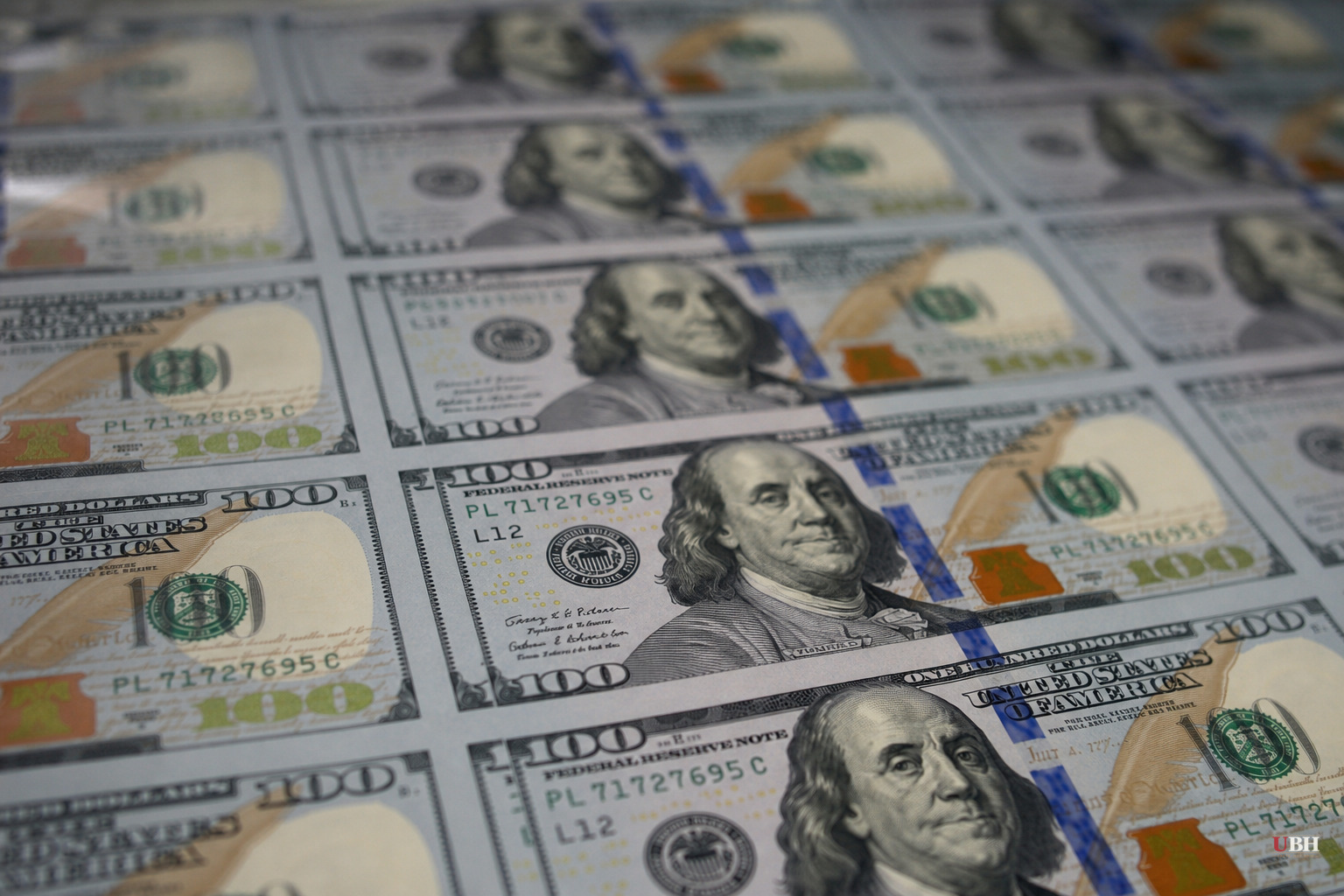
Treasury announced back in March that Donald Trump would become the first sitting president to have his signature printed on U.S. paper currency, appearing on the $100 bill. The move ends a run dating back to 1861, when the treasurer's signature has always appeared on paper notes instead.
Treasury officials framed the change as a tribute to the nation's 250th anniversary, with the first notes bearing Trump's signature printed in June, according to reporting referenced by The Daily Beast.
Now there's a number attached to how the public feels about it. A Washington Post/ABC News/Ipsos poll found 68 percent of Americans oppose putting Trump's signature on paper money. Only 12 percent support it. Nineteen percent are unsure.
That roughly 68-12 split against crossed party lines enough that CNN's Abby Phillip called it out directly on air Tuesday, telling panelists Scott Jennings and Joe Borelli, "This is a 70/20 issue, my friends."
The Coin Question
The signature isn't the only currency controversy. Back in March, a federal arts panel whose members were all appointed by Trump approved designs for a commemorative 24-karat gold coin bearing Trump's portrait.
Federal law bars a living president's image from appearing on circulating currency. Treasury Secretary Scott Bessent has argued the coin doesn't violate that rule because it's not circulating currency in the everyday sense, and because his legal mandates as Treasury secretary are narrower than people assume.
"As Treasury Secretary, I only have two mandates," Bessent told Fox News. "The currency has to say 'In God We Trust' somewhere on it, and there cannot be an image of a living person, but we have the president's signature, which again, I think it is appropriate for the 250th. During the 150th, there was a Calvin Coolidge coin, so we can put living people's images on a coin. The president is also going to have a coin coming out with his image on it."
Bessent's Coolidge comparison has some basis. The U.S. Mint did produce commemorative gold coins for the 1926 sesquicentennial featuring Coolidge, then a sitting president. Whether that precedent settles the current legal question is a separate matter, since commemorative coins and general circulation currency are treated differently under federal statute, and no court has ruled on this specific case.
Where the Pushback Is Coming From
On CNN, Phillip pressed Jennings and Borelli on why the administration keeps inviting this fight. Borelli pushed back, calling it "a bizarre thing for the media to focus on" and arguing that a straightforward poll question will always generate a "no" from people who don't spend their day thinking about currency design.
That's a fair point as far as it goes. Polling on niche procedural questions often produces lopsided results because most respondents haven't weighed the tradeoffs. A 68 percent opposition number on a $100 bill signature doesn't mean 68 percent of Americans are losing sleep over it.
Phillip's counter was that Bessent himself put this in the news by going on Fox to defend it, so the administration doesn't get to complain that the media manufactured the story. That's also fair. Bessent chose to explain the legal reasoning publicly rather than let the change roll out quietly.
Jennings, for his part, said he'd already seen the coin in person weeks before it became public, and confirmed with the Treasury secretary that the "no living person" rule applies to printed bills but not coins. That's Bessent's stated legal position, not an independent judicial finding.
What's Actually Unresolved
No lawsuit has been filed challenging the coin or the signature change as of this writing, and no court has ruled on whether a commemorative coin bearing a sitting president's portrait violates the spirit of the currency statute even if it technically avoids circulating-currency status.
The bigger open question is simple. Does a 68-12 public opposition number change anything? Treasury has already printed notes with Trump's signature. The coin design is approved. Absent legal action or a change in administration policy, the polling numbers are just that, with no mechanism forcing a reversal.
Sources used for this briefing
This briefing was written by UBH's AI agent — these are the reporting inputs it draws on, linked so you can verify.


