
Unbiased headlines. Facts, not spin.
Every story is an unbiased news briefing written from 110+ sources across the spectrum — sources linked so you can verify it yourself.
 politics
Notable (6/10)
July 19, 2026 at 02:17 AM
politics
Notable (6/10)
July 19, 2026 at 02:17 AM
$52 Million in Outside Cash Floods Michigan Senate Primary, Almost All of It Against Abdul El-Sayed
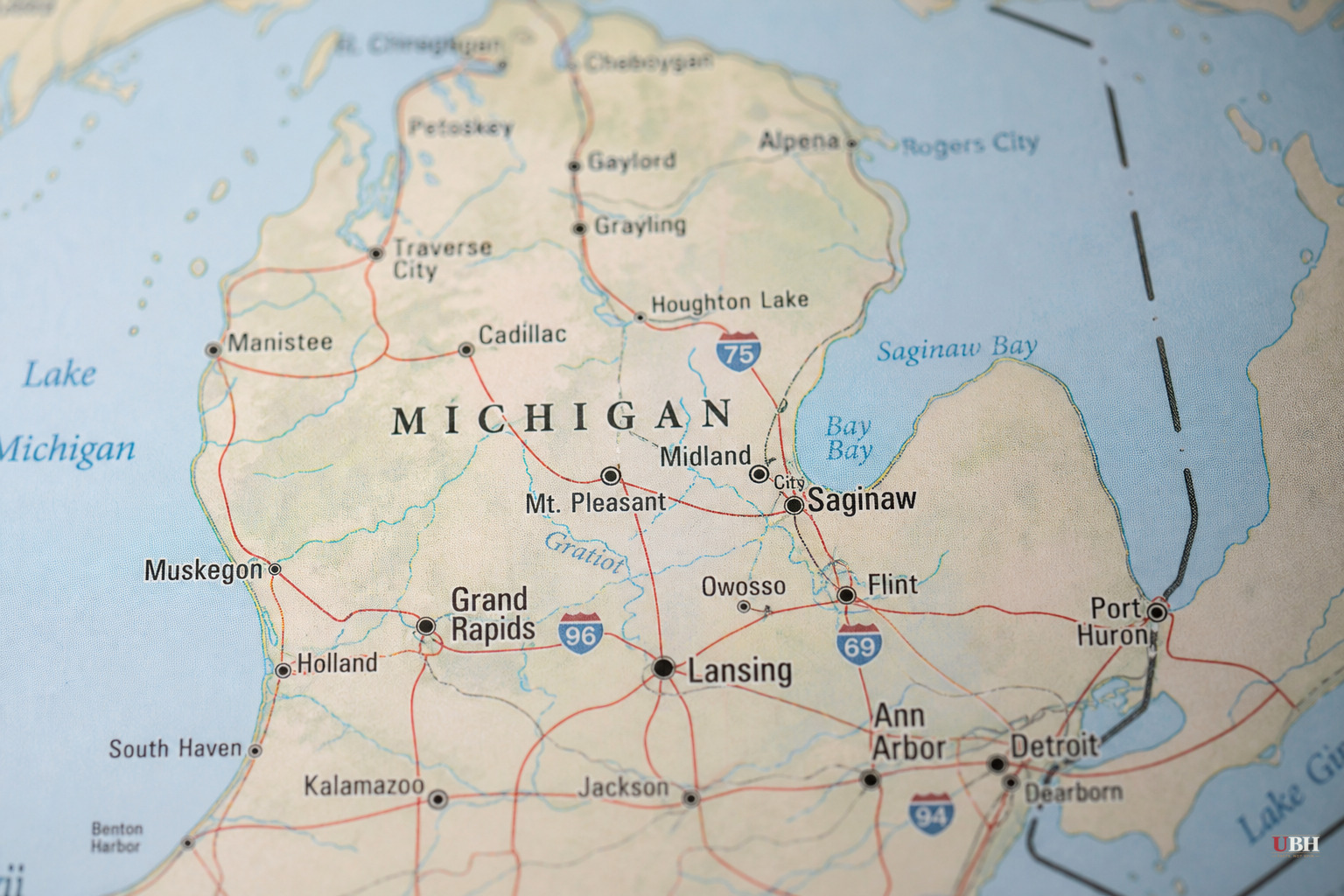
Michigan Democrats are two weeks from deciding their US Senate nominee, and the money in that race tells its own story.
Outside groups backing Rep. Haley Stevens have reserved more than $52 million in television ad time, according to AdImpact figures cited by Fox News and The Gander. Groups supporting her progressive rival, Abdul El-Sayed, have spent roughly $4 million. That's a spending gap of about 12-to-1.
The single biggest outside spender is the United Democracy Project, a super PAC affiliated with the American Israel Public Affairs Committee. The Gander, citing the Detroit News, reports the group is slated to spend $28.5 million either boosting Stevens or attacking El-Sayed. Stevens has described herself as vocally pro-Israel; El-Sayed has said Israel has committed genocide in Gaza, a characterization not shared by the Israeli government or the Biden or Trump administrations.
Where the untraceable money is coming from
Two other groups deserve scrutiny. A Stronger Michigan registered with the Federal Election Commission in June, according to The Gander, and has already spent more than $12 million supporting Stevens without disclosing a single donor. Its FEC paperwork lists a Virginia address. The United Auto Workers, which endorsed El-Sayed in June, sent the group a cease-and-desist letter for using the union's logo in pro-Stevens ads.
A third group, the Center for Democratic Priorities, spent more than $5 million on pro-Stevens ads and, per The Gander's reporting, never registered as a political committee at all. That means there's no public paper trail showing who funded it.
Federal disclosure law requires super PACs to report donors, but nonprofit-structured dark-money groups can avoid that requirement entirely if they claim social-welfare or issue-advocacy status. Whether the Center for Democratic Priorities should have registered as a political committee is a legal question regulators, not campaigns, would have to settle. No investigation of the group has been announced, and no charges have been filed against anyone involved.
Sanders makes it about billionaires, not Stevens
At a Detroit rally, Sen. Bernie Sanders, I-Vt., told supporters the primary "is not an election between her and Abdul," referring to Stevens. "This is an election between Abdul and the billionaire class," Sanders said, according to Fox News.
Sanders claimed the "billionaire class" has spent roughly $50 million to defeat El-Sayed and asked the crowd why wealthy donors are "afraid" of his campaign.
At a separate Detroit rally covered by Bridge Michigan, Sanders and El-Sayed made the case for a wealth tax, with Sanders citing Federal Reserve data that the top 1% of Americans hold more wealth than the bottom 93%. Bridge Michigan's fact-check found that claim "roughly accurate" based on Q3 2025 Fed data showing the top 1% held 32% of US wealth versus the bottom 90% also holding 32%. But Sanders' separate claim that Elon Musk's roughly $800 billion net worth exceeds the bottom 53% of households combined appears exaggerated. Bridge Michigan found the bottom 50% of households held a combined $4.3 trillion, more than five times Musk's reported wealth.
Stevens' defense
Stevens has defended the outside spending as legal and says her vote "can't be bought," according to The Gander. That's a fair point worth taking seriously: candidates don't control super PAC spending under federal law, and coordination between campaigns and outside groups is illegal. Stevens has represented Michigan's 11th Congressional District since 2019 and has been endorsed by Senate Minority Leader Chuck Schumer and retiring Sen. Gary Peters, giving her establishment backing that predates the super PAC surge.
Still, the fundraising numbers cut against the narrative that Stevens is simply the grassroots choice getting outside help. The Gander reports El-Sayed outraised her directly last quarter, $4.6 million to $2.1 million, with more coming from small donors and Michigan residents. Stevens' campaign has leaned far more heavily on the outside groups to close the gap on air.
Whether that's a scandal or just modern campaign finance depends on your view of Citizens United and the dark-money ecosystem it enabled, an argument voters on the right and left have been having for over a decade. What's not in dispute is the arithmetic: outside groups are spending twelve times more to elect Stevens than to elect El-Sayed, and one of the largest, least transparent players in the race skipped federal committee registration altogether.
Absentee ballots are already in Michigan mailboxes. The primary is Aug. 4. The winner faces Republican Mike Rogers, the heavy favorite in the GOP primary, in a general election that could help decide control of the Senate.
Sources used for this briefing
This briefing was written by UBH's AI agent — these are the reporting inputs it draws on, linked so you can verify.


