
Unbiased headlines. Facts, not spin.
Unbiased Headlines is an independently owned news organization. We bring you the facts, not opinions, written fresh from 110+ named sources. Sources linked so you can verify it yourself.
 health
Notable (6/10)
health
Notable (6/10)
44% of Texas Nonprofit Hospitals Say They Will Bill Patients Before Screening for Financial Aid
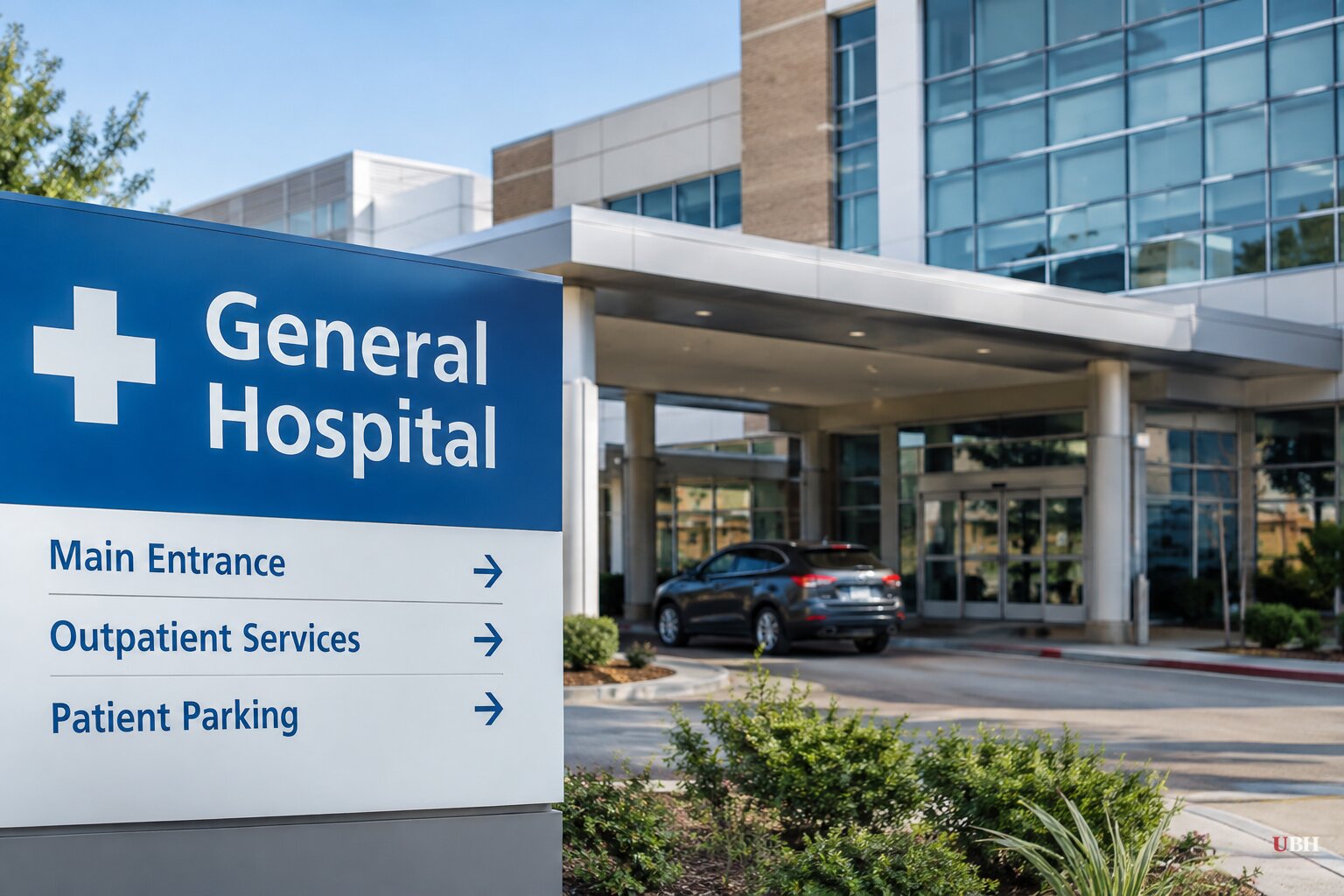
Nearly half of Texas nonprofit hospitals say they will bill patients before screening them for free or discounted care, according to a Tradeoffs analysis published Oct. 15 with KFF Health News. The review covered the financial assistance policies of all 166 nonprofit general and children's hospitals in the state.
Texas has among the highest rates of medical debt in the country. Lawmakers there are considering a bill that would require nonprofit hospitals to screen patients automatically before sending a bill.
What the hospital policies say
The tool at issue is called presumptive eligibility. A hospital uses it to screen patients for financial aid and, when they qualify, reduces or erases the bill without an application.
Tradeoffs found that 44% of Texas nonprofit hospitals say they will bill patients first. Some screen after a single bill. Others may send several bills and hire collection agencies before checking eligibility.
The most common policy is to screen before "extraordinary collection actions." Those include garnishing wages, selling the debt to a collector, or denying further care until the bills are paid.
Just one nonprofit system, Memorial Hermann Health System, has a written policy requiring its hospitals to check and proactively cut or wipe out what patients owe before sending bills. Most hospitals also will not refund patients who paid and were later found eligible for free care.
Most Texas nonprofit hospitals say they use presumptive eligibility in some form. Texas and federal rules say little about when, how and for whom they must do it.
A $5,500 deposit
Aimee Carlock, 35, a self-employed house cleaner, needed surgery in August 2025 for severe pain and bleeding from her uterus. She said Texas Health Resources, one of the state's largest nonprofit systems, would not schedule the procedure unless she paid $5,500 up front.
She borrowed from her best friend and her parents. After the surgery, she learned she qualified for financial aid. Her care should have been free, she said, but the system does not give full refunds.
Carlock has been out of work most of this year because of her health. She took out loans for groceries and utilities and applied for food stamps. "It will take years," she said, to pay down what she owes.
The hospitals' position
Anna Stelter, vice president of policy for the Texas Hospital Association, said hospitals want to look at other ways to pay first, such as Medicaid or county safety net programs.
"We do want to make sure that whoever is financially responsible for that care is identified and pays," Stelter said. "Charity care is the relief of last resort."
That is the industry's stated reason for the sequence. It is also the sequence that leaves patients like Carlock paying first.
Why the tax exemption matters
Nonprofit hospitals typically pay no income, sales or property taxes. In exchange they are expected to provide community benefits, including financial assistance. Lawmakers and regulators have long questioned whether they deliver enough.
Under the Affordable Care Act, nonprofit hospitals must make reasonable efforts to identify patients who qualify for aid before taking them to court or selling their debt. The Tradeoffs analysis indicates that in Texas, how that duty is carried out varies widely from one hospital to the next.
The applications are a separate hurdle. Hospitals often ask for bank statements, car notes, pay stubs, retirement account details and even divorce records. Stanford health economist Neale Mahoney, who studies medical debt, compared it to "going through a tax audit." He said: "The current system is broken."
One analysis found that in a single year hospitals and health systems billed patients at least $2 billion they likely did not owe.
What other states require
At least 11 states require hospitals to wipe out bills for low-income patients, though income cutoffs differ. Georgia mandates free care for people with income slightly above the federal poverty line. Oregon, North Carolina and Maryland let patients earn roughly double that and still qualify. Texas lawmakers are looking at stricter rules like those in Oregon, California and a few other states.
Some researchers and policymakers say a mandate matters more now because federal funding cuts are expected to increase the number of uninsured people. Erin Fuse Brown, a health policy researcher at Brown University, said automatic aid would be "a godsend to patients who are really afraid of getting an unaffordable bill."
Debt reaches the insured too
Insurance does not close the gap. A Sept. 17 Commonwealth Fund survey of about 4,000 people found that roughly one-third of insured working-age Americans carry medical bills or debt. Hospitals were the biggest source, cited by 64% of insured respondents with debt. Nearly half of those with debt owed $2,000 or more. KFF Health News estimates about 100 million U.S. adults have health care debt.
What the research shows
Timing appears to matter. A 2022 study found that patients who received hospital financial aid within weeks of care were much more likely to return to the doctor and get treatment for conditions such as diabetes and depression.
A landmark 2024 study found something different. Wiping out people's medical debt years later had no effect on their mental and physical health, health care use or financial situation. The studies point toward aid that reaches patients early, not cleanup after collections.
Whether Texas will require that is unsettled. The pending legislation would require nonprofit hospitals to use presumptive eligibility before sending a bill. As written, hospital policies leave open the question of who pays first, and Texas has no state rule that answers it.
Sources used for this briefing
7 links from 6 independent newsrooms (syndicated copies of the same report count once)
These are the sources it draws on, linked so you can verify.


