
Unbiased headlines. Facts, not spin.
Every story is an unbiased news briefing written from 110+ sources across the spectrum — sources linked so you can verify it yourself.
 finance
Breaking / Critical (9/10)
August 18, 2026 at 08:57 AM
finance
Breaking / Critical (9/10)
August 18, 2026 at 08:57 AM
30-Year Treasury Yield Tops 5.3%, Highest Since 2007, as Global Bond Markets Sell Off
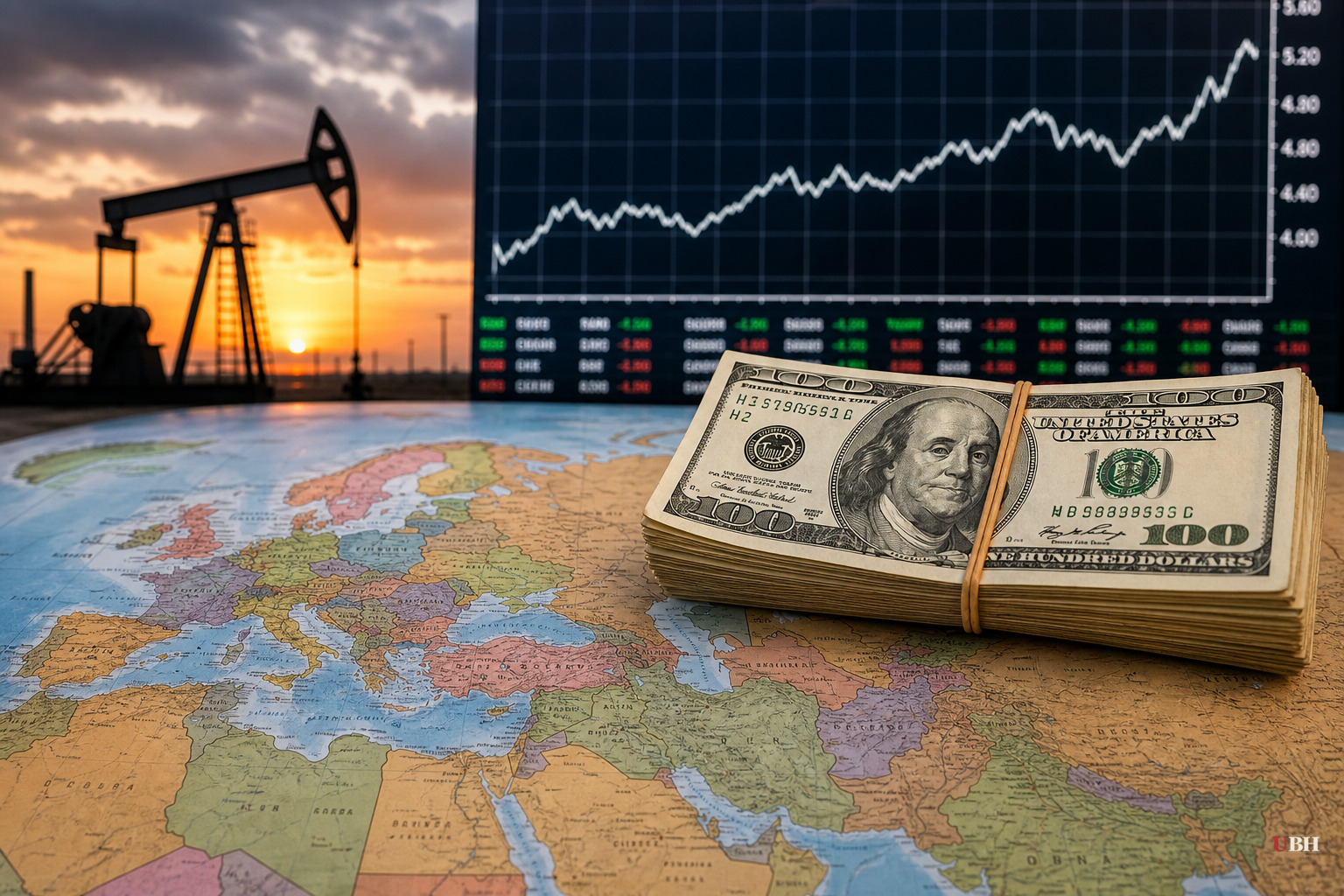
The bond market is sending a message nobody in Washington, Paris, or Tokyo wants to hear: paying for years of deficit spending is getting more expensive, fast.
The yield on the 30-year U.S. Treasury bond climbed above 5.30% this week, the highest level since 2007, according to Reuters reporting published by Global Banking & Finance Review. That came after the Treasury Department completed a $25 billion auction of 30-year bonds on August 13 at a rate of 5.216%, the highest since 2001, according to the Epoch Times. A day earlier, the 10-year auction priced at 4.683%, the highest since 2007.
This isn't just an American problem. French 30-year bond yields hit their highest level since September 2008, according to the Guardian. German bund yields returned to levels last seen in 2011. Japan's 10-year government bond yield hit 2.93%, the highest since 1996, per Reuters. British bond yields are approaching 6%, according to Oninvest, citing Bloomberg data.
The average yield on a global portfolio of investment-grade government debt hit 4.5%, a record for the entire span Bloomberg has tracked since 2015.
Two things are driving this, and they're tangled together. First: oil. Brent crude climbed back above $90 a barrel, and Breitbart reported it had earlier traded above $111 amid fears the U.S.-Iran conflict and stalled peace talks will keep energy costs, and therefore inflation, elevated longer than expected. Second: government spending. U.S. federal debt is closing in on $40 trillion, according to Reuters reporting via Global Banking & Finance Review, and investors are demanding a bigger premium to hold it.
Jeff Buchbinder, chief equity strategist at LPL Financial, told the Epoch Times that "sporadic flare-ups in kinetic activity and unanswered questions around energy production and shipping disruptions in the Middle East have led markets to increase their expectations of a Federal Reserve rate hike." Padhraic Garvey, regional head of research at ING, put it more bluntly: "Real yields are higher and will likely remain so. The fiscal numbers are slipping."
A Fed rate hike would mean higher costs on everything from mortgages to business loans. Breitbart reported that fed funds futures show a better-than-even chance of a Fed hike by the end of the year, with zero chance of a cut priced in, and some pricing suggests two more hikes could come as far out as summer 2027.
There's a structural piece to this too. Oninvest, citing Bloomberg, reported that pension funds, traditionally the biggest buyers of long-dated government debt, are shifting away from defined-benefit plans and getting pushed by regulators toward equities instead. That leaves governments increasingly dependent on private, price-sensitive investors who demand more compensation to hold 30-year paper. The Fed's own June meeting minutes noted this exact shift, from "price-insensitive" public holders to "price-sensitive private investors."
Governments aren't just competing with each other for that money. They're competing with the private sector too. Big tech firms raising capital for AI infrastructure buildouts are pulling in the same investor dollars that used to flow more reliably into sovereign bonds.
Treasury Secretary Scott Bessent has leaned on shorter-term notes and debt buybacks to manage Washington's borrowing costs, according to the Epoch Times, and the department isn't changing its long-bond issuance strategy despite the higher rates. The Treasury projects $739 billion in net marketable borrowing for July through September and another $628 billion for October through December.
Some strategists cited by Bloomberg argue it's too early to panic, framing the yield spike as a market repricing rather than a structural crisis. That's a reasonable position if oil prices ease and the Iran situation stabilizes.
But the fiscal side of the equation doesn't resolve itself on a ceasefire announcement. Deficits in Washington, London, and Paris were already elevated before oil spiked. France faces a parliamentary showdown over its 2027 budget ahead of a presidential election, and Oninvest reported investors are actively shorting French bonds in anticipation.
The next data point to watch is the Fed's actual policy decision later this year. If the Fed hikes rather than holds, as fed funds futures currently suggest is more likely than not, higher Treasury yields stop being a market curiosity and start showing up directly in mortgage rates, auto loans, and the federal government's own interest bill, which is already one of the fastest-growing line items in the budget.
Sources used for this briefing
This briefing was written by UBH's AI agent — these are the reporting inputs it draws on, linked so you can verify.


