
Unbiased headlines. Facts, not spin.
Every story is an unbiased news briefing written from 110+ sources across the spectrum — sources linked so you can verify it yourself.
 finance
Major Story (8/10)
July 30, 2026 at 01:11 AM
finance
Major Story (8/10)
July 30, 2026 at 01:11 AM
30-Year Treasury Yield Hits 5.22%, Highest Since 2007, After Fed Holds Rates Steady
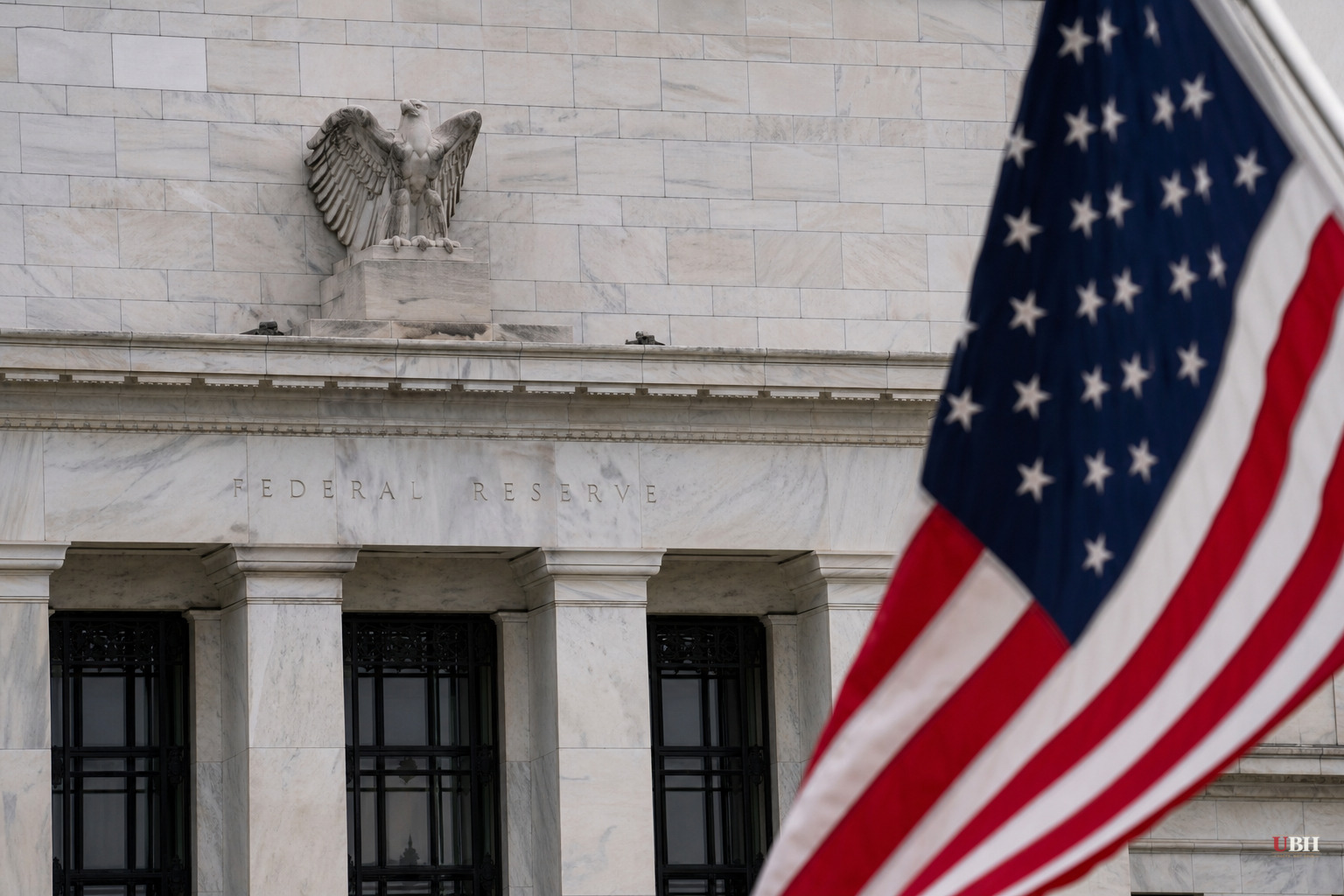
The 30-year Treasury yield jumped 0.11 percentage points to 5.22% on Wednesday, its biggest one-day move in more than a year and its highest level since 2007, according to the New York Times. The 10-year yield, the benchmark that shapes mortgage rates and corporate borrowing costs worldwide, rose 0.07 points to 4.67%, near its high for the year.
This happened right after the Federal Reserve announced it would hold short-term interest rates steady, despite some investors betting on a hike. Normally a rate increase is the Fed's blunt tool for choking off inflation. The Fed didn't use it. Bond markets didn't like that.
"The market is concerned that the Fed not hiking is going to result in persistently higher inflation," said Subadra Rajappa, an interest rate strategist at Société Générale, according to the Times.
Why Long-Term Yields Matter More Than Short-Term Ones
For months, inflation worries had been contained to short-dated Treasuries. Wednesday's move was different. It hit the 30-year, which reflects what investors think inflation and Fed credibility will look like decades from now, not just next quarter.
The 30-year "breakeven rate," a market gauge of long-run inflation expectations, rose by the most in a single day since Nov. 6, 2024, the day after Trump won re-election, per the Times. Bond traders are signaling that inflation is becoming a structural, long-haul problem rather than a temporary spike.
Kevin Warsh, the new Fed chairman, told reporters Wednesday he remains committed to bringing inflation down. But Rajappa noted Warsh gave no specifics on how the central bank plans to follow through, especially right after voting against a hike. Vague reassurance from a Fed chairman paired with inaction on rates is exactly the kind of combination that spooks bond markets.
Multiple Forces Are Pushing Rates Up, Not Just the Fed
It would be too simple to blame this entirely on one Fed meeting. Analysts cited by the Times point to several factors converging at once.
Oil prices have risen amid the ongoing conflict with Iran, adding cost pressure across the economy. That's not a domestic policy failure so much as a geopolitical shock, though it still shows up in the same inflation numbers the Fed has to manage.
Separately, massive spending on AI infrastructure is pushing up prices in the broader economy, a demand-side pressure that has nothing to do with the Fed's rate decisions. And rising government spending, both in the U.S. and globally, has been pushing up borrowing costs for months as investors demand higher compensation for lending to increasingly indebted governments.
Jonathan, an analyst quoted by the Times, said Wednesday's move "speaks to the sensitivity of long-end yields to Fed credibility." When the market isn't sure the Fed will actually fight inflation, it charges the government more to borrow money for 30 years.
What This Actually Costs
Higher Treasury yields aren't an abstract Wall Street concern. The 10-year yield underpins mortgage rates, auto loans, and corporate borrowing costs across the country. When it climbs toward its yearly high, that's more expensive mortgages for anyone shopping for a house and higher financing costs for businesses trying to expand.
For the federal government itself, a 30-year yield at 5.22% means every new bond Washington issues to fund its deficits costs more to service for three decades. Given the scale of federal borrowing already on the books, even fractional increases in long-term rates translate into real money out of future budgets, money that could otherwise go to other priorities or that adds pressure to actually shrink the deficit.
A bond market pricing in higher long-run inflation and shakier Fed credibility isn't a partisan verdict. It's investors putting real money on the line based on what they expect to happen over the next 30 years.
The open question is what Warsh does next. He reiterated his inflation-fighting commitment Wednesday but offered no roadmap. The Fed's next meeting will be the first real test of whether that commitment translates into action, or whether long-term yields keep climbing on the assumption that it won't.
Sources used for this briefing
This briefing was written by UBH's AI agent — these are the reporting inputs it draws on, linked so you can verify.


