
Unbiased headlines. Facts, not spin.
Every story is an unbiased news briefing written from 110+ sources across the spectrum — sources linked so you can verify it yourself.
 finance
Major Story (7/10)
August 13, 2026 at 11:53 AM
finance
Major Story (7/10)
August 13, 2026 at 11:53 AM
30-Year Treasury Bond Auction Set to Clear Above 5.2%, Highest Since 2001
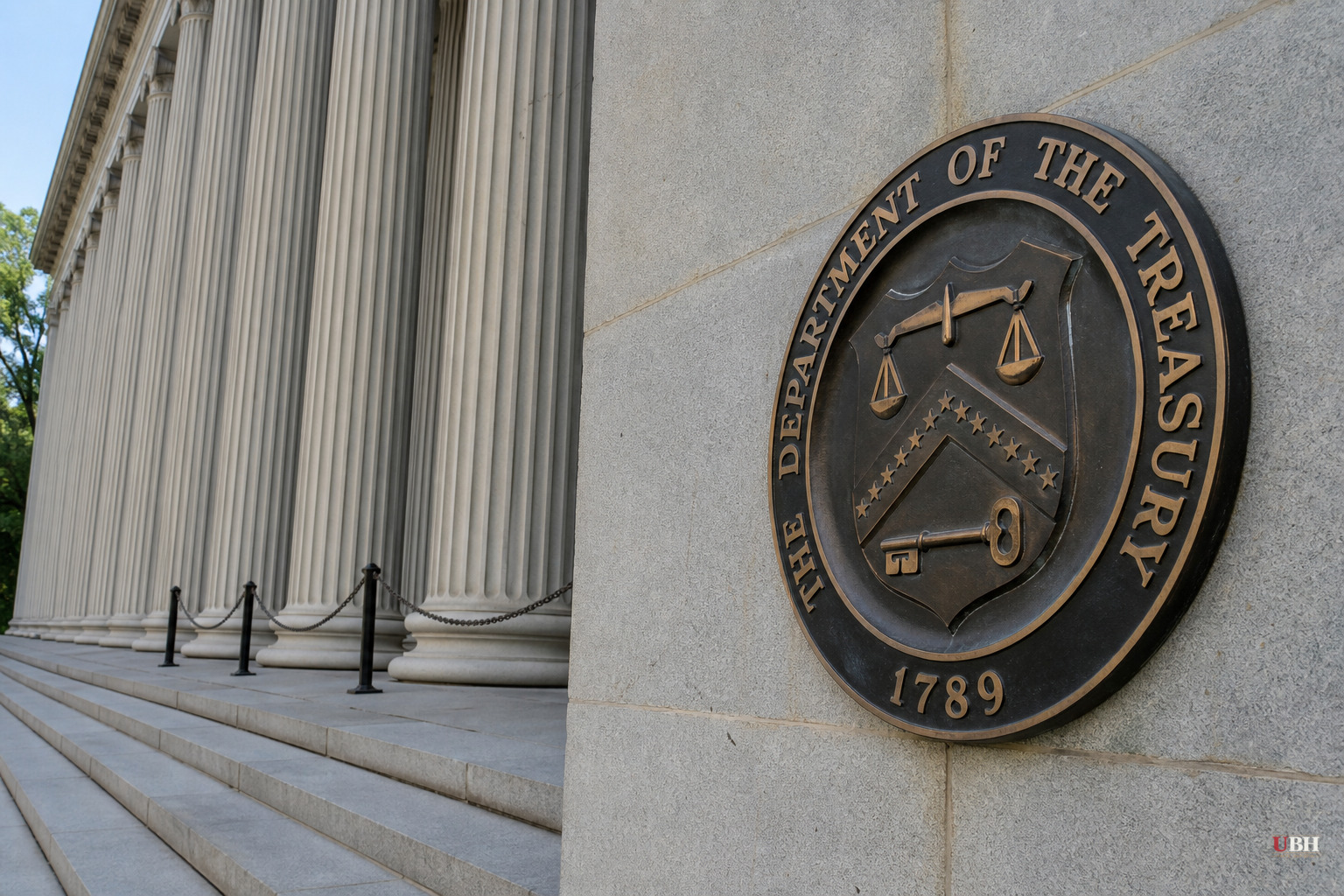
The federal government is set to borrow at its highest 30-year interest rate since 2001. The Treasury's $25 billion auction of 30-year bonds today is expected to clear above 5.2%, according to Crypto Briefing and whalesbook.com, both citing when-issued yields trading around 5.23% to 5.24% ahead of the sale.
It's the third leg of a climb that's been building all year. The May 2026 auction cleared at 5.046%. July followed at 5.058%. Both marked the first time 30-year yields topped 5% since 2007, according to Crypto Briefing. Today's expected level would push another quarter-point past that.
The reasons aren't a mystery. Inflation hasn't gone away, and investors want to be paid more to lock up money for three decades when the dollar's purchasing power is uncertain that far out. Meanwhile the federal government keeps running deficits that require ever-larger debt auctions just to keep the lights on. More bonds hitting the market, competing for a finite pool of buyers, pushes yields up.
Whalesbook.com adds a wrinkle worth taking seriously: corporations are also borrowing heavily right now to fund AI infrastructure buildouts. Washington isn't just competing with itself for capital. It's competing with Silicon Valley's data-center spending spree. Two big borrowers chasing the same pool of savings pushes rates higher for everybody, including anyone shopping for a mortgage or a car loan.
Treasury's own language is shifting, and that matters.
According to whalesbook.com, Treasury officials have recently swapped language in their communications from talking about plans to "increase" long-term debt issuance to talking about "changes" to it. Many analysts interpret it as an early signal the department may pull back on selling more 30-year paper and lean instead on shorter maturities, like 2-year, 5-year, or 7-year notes.
If buyers are only showing up for 30-year debt at yields north of 5.2%, shifting the mix toward shorter-dated notes is the more effective way to keep the government's average borrowing cost down. But it's not a free lunch. Shorter-term debt has to be refinanced sooner, and if rates are still elevated when those notes come due, the government just delayed the pain rather than avoided it. Whalesbook.com flags this as "refinancing risk."
What to watch today.
The number everyone in the bond market will be staring at is the bid-to-cover ratio, the measure of how many dollars of bids came in relative to the $25 billion on offer. Whalesbook.com notes that despite the high rates on offer, demand for long-term government bonds has remained lukewarm, with investors wary that the selloff hasn't hit bottom — meaning the Treasury may have to offer even higher yields to draw enough buyers. A weak bid-to-cover ratio today would be a red flag that 5.2% still isn't enough to get buyers off the sidelines, and would add pressure on Treasury to accelerate a pivot toward shorter maturities. A strong ratio would suggest investors still want long-term Treasurys even at these levels.
Crypto Briefing notes that the 30-year bond has a strange history that makes this moment more notable still: the Treasury actually suspended issuance of the bond entirely from 2001 to 2006, judging it unnecessary during a period of budget surpluses and lower borrowing needs. It was reinstated in 2006, and the government has issued it on a regular schedule since — right up to a moment where it's now paying the highest rate on that debt since the suspension began.
Today's auction result will land within hours. If demand is soft and the yield clears meaningfully above the 5.23-5.24% pre-auction indication, expect more talk out of Washington about trimming long-bond issuance in favor of shorter-term notes. If demand holds up, it buys the department more room before it has to make that call.
Sources: Crypto Briefing; whalesbook.com.
Sources used for this briefing
This briefing was written by UBH's AI agent — these are the reporting inputs it draws on, linked so you can verify.


