
Unbiased headlines. Facts, not spin.
Every story is an unbiased news briefing written from 110+ sources across the spectrum — sources linked so you can verify it yourself.
 finance
Notable (6/10)
July 31, 2026 at 04:02 PM
finance
Notable (6/10)
July 31, 2026 at 04:02 PM
25-Year-Old's $45 Billion AI Hedge Fund Collapses to $10 Billion in Days, Forced to Sell to Citadel
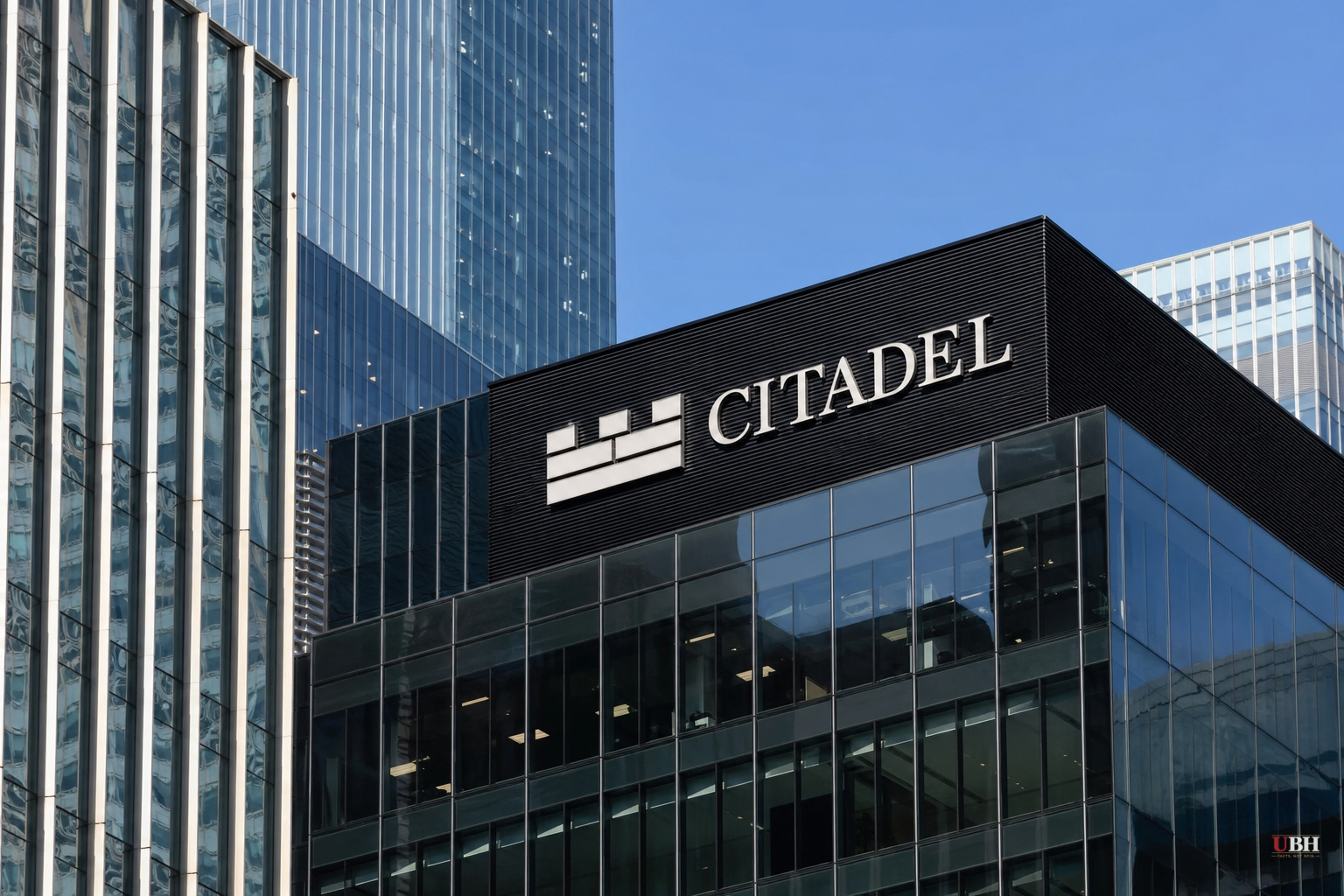
The Fund That Bet Everything on AI, Then Got Margin-Called
Leopold Aschenbrenner spent two years being called a prophet. This week he became a cautionary tale.
The 25-year-old former OpenAI researcher ran a hedge fund called Situational Awareness, named after his own 165-page manifesto that predicted an explosive buildout of AI infrastructure. That fund hit $45 billion in assets earlier this month, according to CNBC. By Thursday, its holdings had collapsed to roughly $10 billion after Aschenbrenner was forced to unload his leveraged stock positions to Ken Griffin's Citadel at a discount.
The reason is simple: leverage. According to the-decoder, Aschenbrenner reported a 439% return for the first half of the year as recently as last Friday and was asking investors for fresh capital by August 1. Days later, falling shares of SK Hynix and other AI infrastructure names triggered margin calls that his heavily leveraged book couldn't survive.
What Went Wrong
Situational Awareness had roughly two-thirds of its assets in long and short public equity positions, according to a source cited by CNBC. The rest sat in private stakes, dominated by a multibillion-dollar investment in Anthropic.
The fund's largest holdings as of the first quarter included Nebius Group, Sandisk, Micron, and CoreWeave, according to ynetnews, citing Calcalist's reporting. All four stocks fell more than 35% this month alone. Aschenbrenner also shorted software stocks like Adobe, betting they'd underperform AI infrastructure plays. That bet failed too.
The combination was brutal. Long positions cratering while the short book worked against him, all amplified by leverage reported at up to 400%. When banks issued margin calls, the fund had no choice but to sell into a falling market, locking in losses right before some of those stocks recovered, according to the-decoder.
Citadel signed an agreement to buy the fund's publicly traded assets, according to ynetnews. Aschenbrenner is keeping his private holdings, including the Anthropic stake, though there were conflicting reports about whether that position had been reduced. A company spokesperson told reporters that claims the Anthropic stake had been cut were inaccurate, according to ynetnews.
Genius or Lucky? Both Sides Have a Point
Aschenbrenner's defenders have a real argument. His underlying thesis, that AI progress requires massive buildouts of chips, data centers, memory, and power, is actually playing out in the real world. Companies are spending hundreds of billions on exactly that infrastructure. The-decoder makes this point directly: "That buildout is happening." The problem wasn't the forecast. It was the leverage and the timing.
Critics, meanwhile, note that Aschenbrenner had zero money-management experience before launching this fund in July 2024. His resume includes a stint at the FTX Future Fund, the philanthropic arm of Sam Bankman-Fried's collapsed crypto exchange, where he worked out of a Bahamas penthouse before leaving prior to the implosion. He was later fired from OpenAI's Superalignment team in April 2024 over an alleged information leak, which he disputes, saying he only shared a low-risk document with three outside researchers and had previously raised his own security concerns internally.
Jerry Diao, who runs a Wall Street coaching firm, told CNBC: "A lot of people saw this blow-up as a matter of not if, but when. Maybe his views on AI are correct in the long run, but in the public markets, you have to be prepared for the short-term."
A 25-year-old with no trading track record ran a fund at 400% leverage on a single macro thesis. When the thesis needed more than a few weeks to prove out, the leverage did what leverage always does.
An Awkward Weekend
The fund's near-collapse landed at a strange personal moment. Aschenbrenner is getting married this weekend, according to both CNBC and ynetnews. He's engaged to Avital Balwit, chief of staff to Anthropic CEO Dario Amodei, according to a Fortune profile referenced by ynetnews.
What remains unresolved is whether Situational Awareness can meet ongoing collateral requirements or whether more asset sales are coming. Ynetnews reported the situation was still fluid as of this week, with talks over the Anthropic stake unresolved. Neither Aschenbrenner nor his fund has responded publicly to detailed questions about the wind-down, and Situational Awareness did not respond to CNBC's request for comment. Whether the fund survives in any form, or whether Aschenbrenner's AI thesis eventually pays off for whoever holds these stocks next, is an open question the market will answer over the coming months, not this week.
Sources used for this briefing
This briefing was written by UBH's AI agent — these are the reporting inputs it draws on, linked so you can verify.


