
Unbiased headlines. Facts, not spin.
Every story is an unbiased news briefing written from 110+ sources across the spectrum — sources linked so you can verify it yourself.
 politics
Major Story (7/10)
July 23, 2026 at 09:23 PM
politics
Major Story (7/10)
July 23, 2026 at 09:23 PM
25 States Sue DHS Over Election Conditions Tied to Disaster Grants
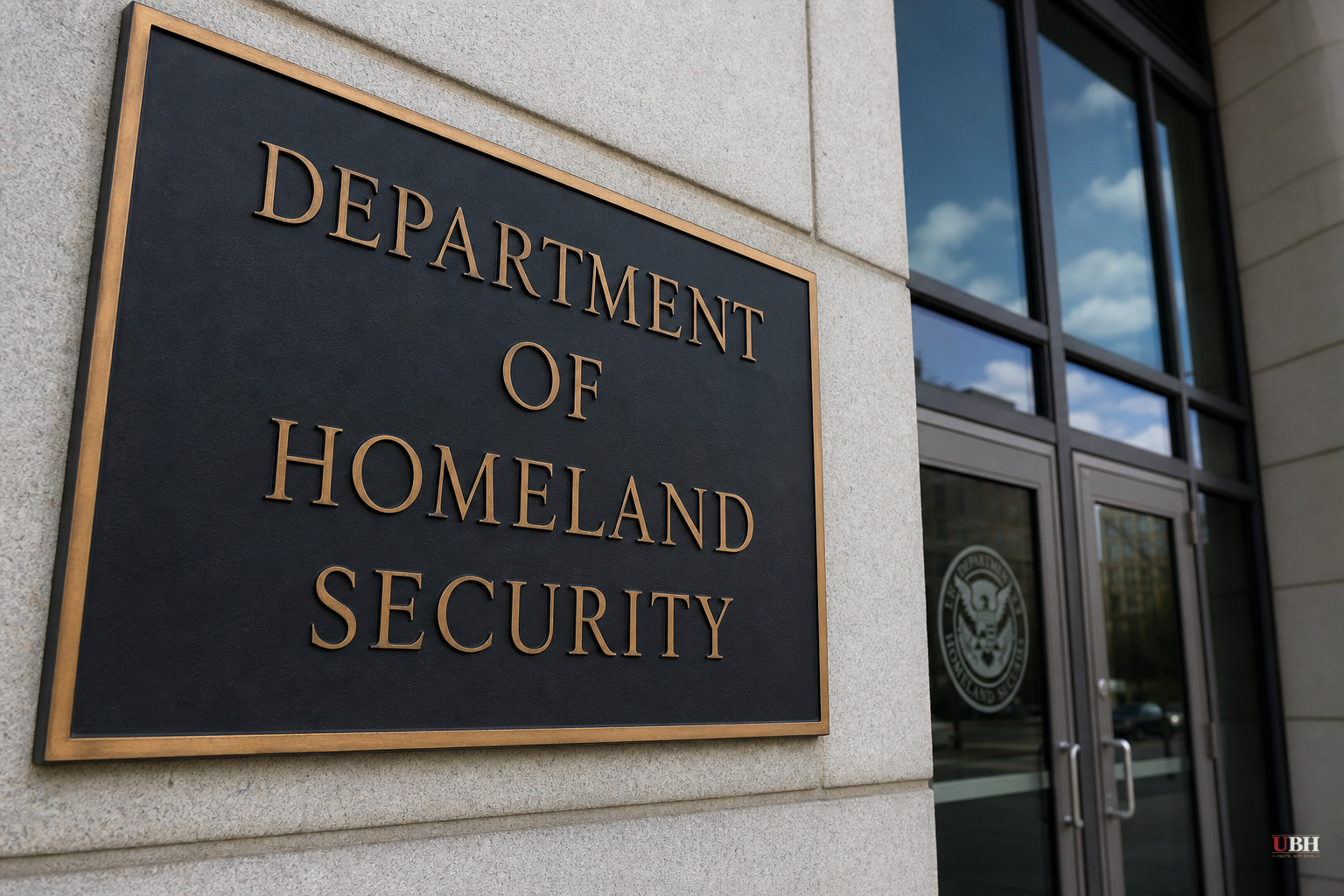
A coalition of 25 states and the District of Columbia sued the Trump administration Thursday to stop the Department of Homeland Security from tying disaster preparedness funding to election administration changes, according to AP News and the Maryland Daily Record.
The lawsuit, filed in federal court in Rhode Island, is led by Rhode Island, California, Illinois and New Jersey. California Attorney General Rob Bonta co-led the filing alongside 24 other attorneys general plus the governors of Kentucky and Pennsylvania, according to a press release from the California Department of Justice.
What DHS Is Asking For
DHS announced on July 10 that it would withhold 20% of Federal Emergency Management Agency grant awards unless states submit plans meeting three conditions, according to the Maryland Daily Record. States would need to use voting equipment that accepts hand-marked paper ballots instead of systems using bar codes or QR codes to count votes. States would also have to manually audit at least 5% of ballots cast, reconcile voter turnout numbers against ballots counted, and check voter rolls against a DHS database to screen for non-citizens improperly registered to vote.
DHS described these as "common-sense steps to protect U.S. elections," per the Maryland Daily Record. Hand-marked paper ballots and post-election audits are standard election-integrity asks made across the political spectrum, and reconciling voter rolls against federal databases is the kind of basic accuracy check most Americans would assume already happens. States that resist the citizenship-verification piece specifically will have to explain why confirming voter rolls are accurate is objectionable, and DHS has not been quoted here explaining why it needs FEMA grant leverage rather than a normal rulemaking process to pursue that goal.
The money at stake is substantial. States were allocated more than $740 million in Homeland Security Grant Program funds for fiscal year 2026, according to the Maryland Daily Record, meaning DHS would withhold at least $148 million if states don't comply.
The States' Legal Argument
The states argue DHS has no authority to attach these strings. "Congress never gave DHS or FEMA authority to rewrite state election law," the lawsuit states, according to the Maryland Daily Record. The Constitution assigns states the job of administering federal elections, and the states argue these grant programs, some dating back to the Homeland Security Grant Program created after September 11, 2001, according to the California Attorney General's office, were never designed with election security as their purpose.
Bonta didn't hold back in his statement. "President Trump has little support for both his mass deportation agenda and his baseless claims of election fraud, so instead, he's trying to bully state and local governments into adopting his preferred policies in exchange for much-needed funding," Bonta said.
California Governor Gavin Newsom went further, calling the administration "corrupt" and saying courts have already told Trump it can't coerce California by threatening public safety funding. Neither DHS nor FEMA responded to requests for comment, according to the Maryland Daily Record.
This Isn't the First Attempt
According to the California Attorney General's office, this marks the third time the administration has tried to attach conditions to these same DHS and FEMA grant programs, this time adding immigration enforcement mandates and vague termination criteria on top of the election requirements. Bonta's office says attorneys general have already challenged and blocked two previous versions of similar conditions in court.
If courts have twice found comparable conditions unlawful, DHS is choosing to relitigate the same legal theory a third time rather than adjusting its approach, or is betting a different set of judges or a refined version of the policy will survive scrutiny where the earlier ones didn't. Neither DHS nor the White House has publicly explained why they expect a different outcome this round.
No court has ruled on this specific July 10 policy yet. The lawsuit is a request to block the funding conditions, not a decision. AP News's coverage, drawn largely from Reuters, frames the dispute primarily as a legal fight over federal overreach into state-run elections, while noting Trump's history of "false claims about widespread voting fraud" including his loss in the 2020 election. That framing is accurate as far as documented fact goes, but it doesn't fully engage with the substance of the specific audit and paper-ballot requirements DHS is demanding, which are separate from disputes over 2020 fraud claims and are the kind of election-security measures some Republican-led states have already adopted voluntarily.
The key question is whether a federal judge in Rhode Island grants an injunction before FEMA grant disbursements are due later this year, and whether DHS revises the policy again if it loses a third time.
Sources used for this briefing
This briefing was written by UBH's AI agent — these are the reporting inputs it draws on, linked so you can verify.


