
Unbiased headlines. Facts, not spin.
Every story is an unbiased news briefing written from 110+ sources across the spectrum — sources linked so you can verify it yourself.
 health
Notable (6/10)
July 31, 2026 at 06:40 AM
health
Notable (6/10)
July 31, 2026 at 06:40 AM
1,500 Ships Stranded in Strait of Hormuz Since February Could Spread Invasive Species Worldwide, Scientists Warn
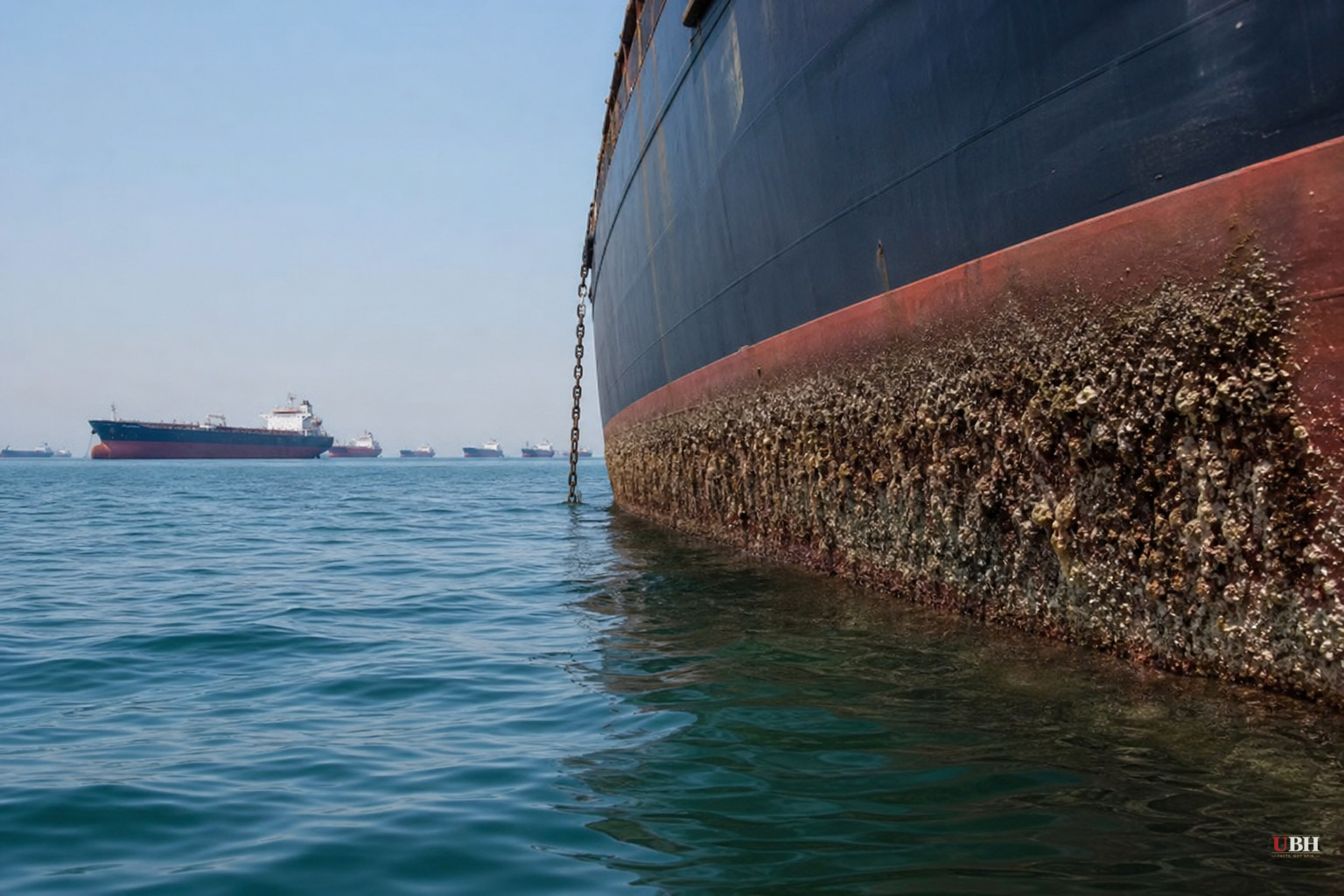
The Strait of Hormuz has been closed since February 28, after the U.S. and Israel struck Iran and Tehran retaliated by choking off the waterway that carries roughly 20% of the world's oil supply, according to the U.S. Energy Information Administration. Nearly five months later, more than 1,500 commercial vessels remain stranded on both sides of the strait, according to the Guardian and Live Science.
That's an economic problem everyone already knew about. Now marine biologists say it's created a second, less obvious mess: a biological one.
What the Study Found
A team led by Professor Mario Tamburri of the University of Maryland Center for Environmental Science published a study July 22 in the journal Biological Invasions, warning that the mass, months-long lay-up of ships has created what Tamburri called a potential marine "bio-invasion super-spreader event."
Ships normally sit at anchor for a day or two at most ports. That's not enough time for much to grow on a hull. But researchers say once a vessel sits idle for more than 10 days, protective anti-fouling coatings start losing effectiveness, and marine organisms—microbes, algae, seaweed, barnacles, mussels and other invertebrates—begin colonizing hulls aggressively, according to Live Science.
Ships in the Gulf have now been sitting for nearly five months. Tamburri didn't mince words about what that means. "If you had to design the worst-case scenario, I don't know if you could have done it differently. It is a perfect storm," he told the Guardian.
The Gulf's water conditions make this worse, not better. The region's extreme heat and high salinity tend to produce especially tough organisms. "They're pretty hardy. They're used to extreme environments, high temperatures and high salinities," Tamburri said. "Those hardy organisms that can often withstand those extreme environments make really good invaders."
Why It Matters Beyond the Gulf
The concern isn't that the Gulf has marine life. It's what happens when 1,500-plus ships carrying that marine life start sailing to ports across Europe, Asia and Africa. Invasive species can outcompete native wildlife, spread disease, clog power plant cooling systems, and cost billions of dollars a year to manage, Tamburri told the Guardian.
Tamburri flagged specific regions as most exposed: ports with warm, salty water similar to the Gulf. "Ports that have very similar environments to the Gulf region are probably the highest risks," he said, naming India and Singapore as places authorities should be paying attention to.
The Gulf itself is already known as a hotspot for marine invasions. Previous research has documented dozens of non-native species introduced largely through commercial shipping, according to the Guardian. The study also notes that individual ships may have already released millions of larvae into Gulf waters during the standoff, meaning the region's own ecosystem has been getting scrambled the whole time, not just building up cargo for export elsewhere.
The Costs Are Already Showing Up
This isn't purely theoretical. According to Ground News' aggregation of the coverage, specialized hull-cleaning costs have already jumped nearly 60% to roughly $8,000 per vessel, and biofouling—the buildup of organisms on a hull—is increasing fuel consumption by more than 50% on affected ships. That's a real cost shipping companies are eating right now, independent of whether the worst-case invasive-species scenario plays out.
Researchers are recommending mandatory hull inspections and cleaning before any of the stranded vessels depart the region, according to Ground News' summary of the study.
What's Proven and What's Not
The hull colonization itself—barnacles, algae, and other organisms building up on idle ships over months—is documented, peer-reviewed science published in Biological Invasions. That part is not speculative.
What's genuinely uncertain is the scale of the eventual spread. No one has an actual body count of ecosystems that will be disrupted, because the ships haven't sailed en masse yet. The strait remains closed as of this week. Tamburri's team is warning about a risk based on established biological mechanisms: larval release, hull fouling timelines, species hardiness. They are not reporting a disaster that has already happened. This is a threat modeled from real conditions, not yet an observed global invasion.
The open question is what happens diplomatically and militarily with the strait itself. Until Hormuz reopens and those 1,500-plus ships actually get underway, the biosecurity risk stays contained to the Gulf. Whether governments in India, Singapore, and other warm-water ports actually implement the inspection protocols researchers are calling for before that happens is the thing to watch next.
Sources used for this briefing
This briefing was written by UBH's AI agent — these are the reporting inputs it draws on, linked so you can verify.


