
Unbiased headlines. Facts, not spin.
Every story is an unbiased news briefing written from 110+ sources across the spectrum — sources linked so you can verify it yourself.
 health
Notable (5/10)
July 30, 2026 at 03:28 PM
health
Notable (5/10)
July 30, 2026 at 03:28 PM
1.5 Million Ocoopa Hand Warmers Recalled After Battery Fires, One Death
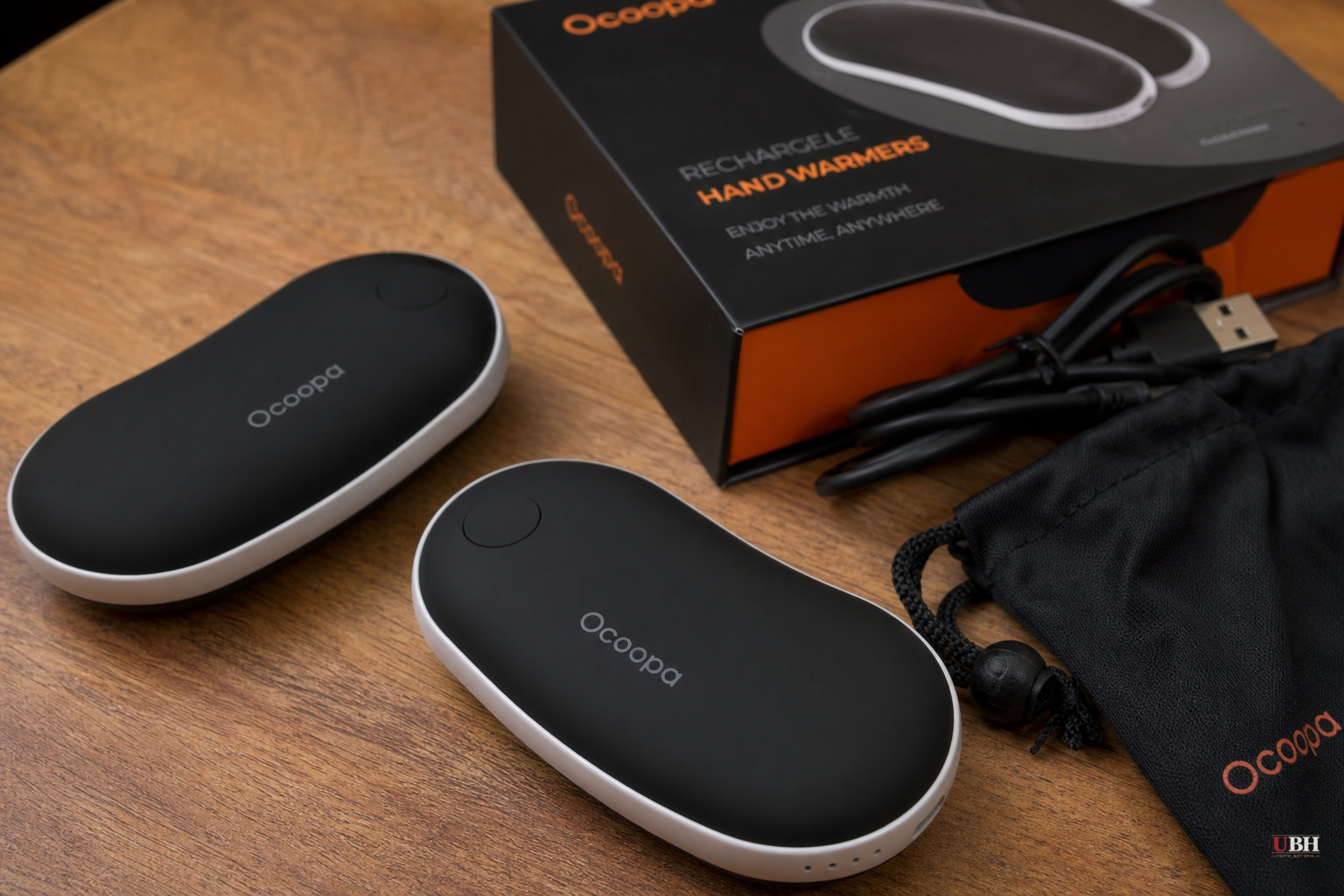
1.5 Million Hand Warmers Pulled Over Fire and Burn Risk
The Consumer Product Safety Commission announced a recall of roughly 1.5 million rechargeable hand warmers made by Ocoopa. The lithium-ion batteries inside can overheat and ignite, creating a fire hazard in someone's coat pocket.
According to the CPSC, Ocoopa Direct has logged 1,480 reports of the devices overheating. Those incidents produced 350 burns and 15 fires. One death has been linked to the defective units: an 83-year-old person died in February, according to the CPSC.
What Got Recalled
The recalled units are Ocoopa rechargeable hand warmers sold in two-packs that connect via magnets. They charge through an included USB-C cable. "Ocoopa" is printed directly on the devices and their packaging, and each unit has a model and batch number stamped on the underside.
They were sold through Ocoopa's own site, Amazon, and Walmart from September 2018 through May 2026, at prices between $15 and $60. Products marketed as cheap winter comfort items were on shelves and in warehouses for an eight-year period before this recall landed.
What You're Supposed To Do
The CPSC's instructions require several steps. If you own one of these, you're told to stop using it immediately and contact Ocoopa for a refund.
Getting that refund requires writing "recalled" on the hand warmer itself in permanent marker, taking a photo of it along with the model and batch numbers, and uploading that to Ocoopa's website. Then you have to dispose of the device according to your local and state hazardous waste rules, since lithium-ion batteries can't go in regular trash.
That creates significant friction for a consumer who just wants their money back on a hand warmer purchased years ago. Whether Ocoopa's process moves fast enough to get 1.5 million potentially dangerous devices out of circulation is uncertain. Recalls of this size often take months, sometimes years, to reach meaningful compliance rates. Lithium-ion battery recalls in particular have a history of low return rates because people forget where they put small electronics or don't see the recall notice.
The Bigger Pattern
This isn't the first lithium-ion battery recall to hit consumer goods. Batteries packed into cheap, high-demand seasonal products—hand warmers, e-bikes, vape pens, portable chargers—keep showing up in CPSC recall notices because the failure mode is the same: a damaged or poorly manufactured cell overheats, and there's no reliable way for the average buyer to know it's happening until it's too late.
The CPSC doesn't have pre-market authority to test every lithium-ion product before it hits shelves. It reacts after injuries and complaints pile up. In this case, that meant 1,480 complaints and one fatality before the recall was issued. Critics of the current regulatory setup argue that's too slow and too reactive for a battery technology now embedded in millions of everyday household items. Whether that argument leads to any change in how these products are tested before sale remains unresolved.
For now, the CPSC's advice is direct: if you've got an Ocoopa hand warmer in your coat, glove box, or gear bag from the last eight years, check the model number, stop using it, and start the refund process. Contact Ocoopa directly by email or through the company's website for details.
Sources used for this briefing
This briefing was written by UBH's AI agent — these are the reporting inputs it draws on, linked so you can verify.


