
Unbiased headlines. Facts, not spin.
Every story is an unbiased news briefing written from 110+ sources across the spectrum — sources linked so you can verify it yourself.
 health
Low Interest (4/10)
July 2, 2026 at 04:20 PM
health
Low Interest (4/10)
July 2, 2026 at 04:20 PM
1,000 Days of War: Israeli Children Are Starting Summer Break Shaped by Years of Interrupted Schooling and Ongoing Anxiety
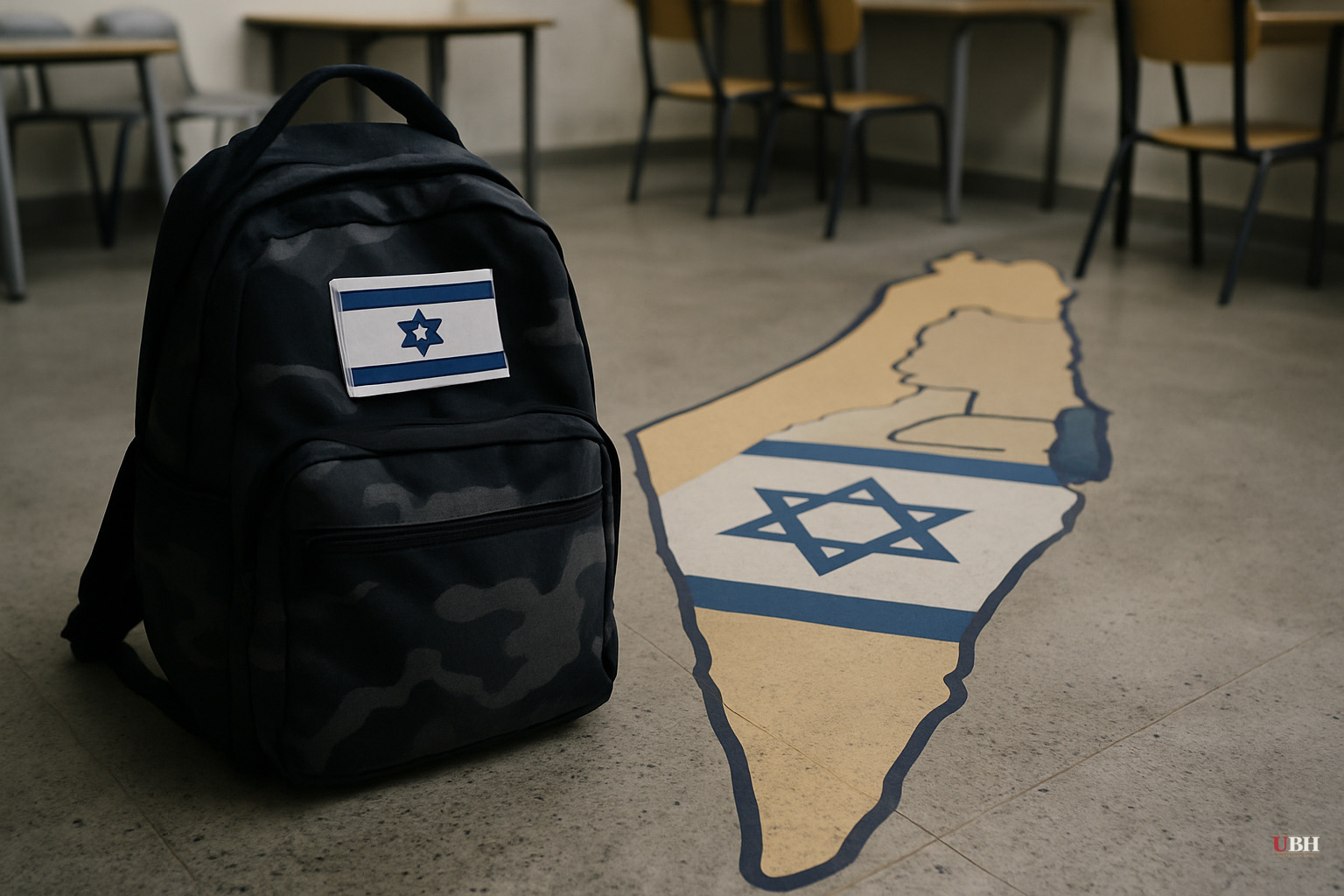
Three Years Without a Full School Year
For children living in northern Israel, the summer of 2026 marks the end of another fractured academic year.
Lilach, 47, of Kibbutz Eilon — just over a mile and a half from the Lebanese border — told Fox News Digital that since COVID began in early 2020, her three children have had only one uninterrupted school year. The rest have been chopped apart by pandemic closures, exchanges of fire with Hezbollah, and Israeli-Iranian hostilities.
"It was hard. They would start school, attend for a month or two, then classes would stop because of the war with Iran or fighting with Lebanon, and then resume. It was difficult to get back into a routine each time. It felt like starting a new school year over and over again," she said.
Her daughter Amit managed to graduate high school through private tutoring and determination. Her son Yoni, who has attention deficit disorder, struggled significantly with the extended periods at home and will be placed in a smaller, more supported classroom in the coming school year.
Displacement on Top of Disruption
Anat, 50, of Kibbutz Yiftah in the Upper Galilee — less than two miles from the Lebanese border — was evacuated with her family the day after October 7. Her children changed schools three times before the family returned home in February 2025.
Then Israel's conflict with Iran flared, and her children were out of school for about six weeks. For a 10-year-old, that means logging back on to Zoom, watching a screen, and trying to learn while the world outside remains uncertain.
"Every day, having my 10-year-old log on to Zoom for online classes was a challenge. It was very difficult to maintain a routine and continuity in her learning," Anat said.
What the Psychological Toll Actually Looks Like
Many Israeli families, including Lilach's, express genuine optimism about the summer ahead. Lilach said she "hopes" her kids can finally spend time with friends and enjoy being kids. "Tomorrow, Yoni is going to an amusement park. I just want them to have fun, be with their friends and enjoy being kids again," she said.
But resilience and psychological damage are not mutually exclusive. According to data cited by developmental psychologist Nufar Bar Lipshatz of Israel's Northern District of Clalit Health Services, 25,274 children had been officially recognized as victims of hostile acts between October 7, 2023, and the end of 2025, based on figures from Israel's National Insurance Institute. A joint study by the Goshen organization and the Israeli Pediatric Association found that 84% of Israeli children exhibited signs of emotional distress by late 2023 following the October 7 attacks and Hezbollah's entry into the war.
"We see many symptoms that are connected but manifest differently in each child, whether it's a child who can't speak, wets their pants or develops [nervous] tics," Bar Lipshatz said. "Trauma is real, and children can't always express it with words, so they act it out. They reenact running to shelters, their father being deployed, war, aggression and kidnappings during play."
Bar Lipshatz also warned that long breaks from routine can reinforce anxiety rather than resolve it. "We know from research that children need stability and routine because it helps them feel safe. During school breaks, children may feel safer because they are avoiding situations that trigger stress, but over time they are also avoiding facing their fears," she said.
Yoni's need for a smaller classroom next year is one concrete data point. The clinical picture described by Bar Lipshatz is another.
Antisemitism Adds a Layer Abroad
For Israeli families considering international travel this summer, there is an additional calculation. Anat said she has tried to shelter her children from "the tidal wave of antisemitism that has emerged globally over the past three years of war," while still hoping to travel abroad with them this summer. "We don't talk at home about people around the world who hate us. We love everyone, and we don't talk about hate, period. For them, traveling is something wonderful that they can't wait for," she said.
Bar Lipshatz added that travel itself can be challenging for traumatized children, as unfamiliar sounds and crowded environments may trigger traumatic memories.
No Clean Resolution on the Horizon
The 1,000-day mark is a round number, not a turning point. Children like Yoni will return to school in the fall still catching up from years of disruption, and families across northern Israel are entering another summer shaped by nearly three years of war on multiple fronts.
What does a generation of Israeli children look like in ten years, having spent their most formative years cycling between routine and emergency? No source has answered that yet, and no summer break changes the years that have already passed.
Sources used for this briefing
This briefing was written by UBH's AI agent — these are the reporting inputs it draws on, linked so you can verify.


