
Unbiased headlines. Facts, not spin.
Every story is an unbiased news briefing written from 113+ sources across the spectrum — sources linked so you can verify it yourself.
 finance
Major Story (7/10)
Event date: September 17, 2026
finance
Major Story (7/10)
Event date: September 17, 2026
10-Year Treasury Yield Hits 5.22%, a 2007 High, as Emerging-Market Bond Funds Pull Back Risk
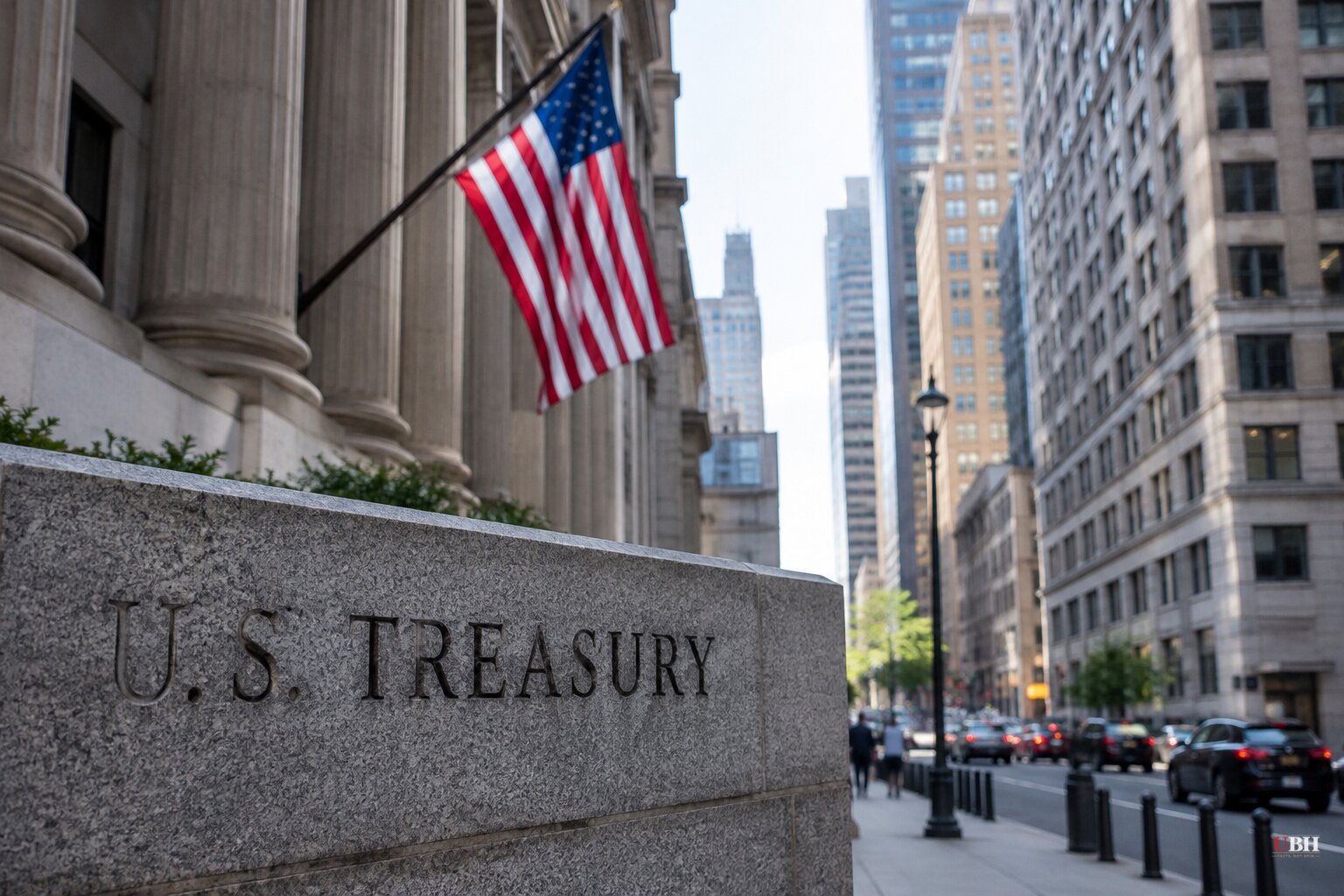
Since breaching 5% earlier this month, the 10-year Treasury yield touched 5.22% on September 25, the highest level since June 2007, according to the Epoch Times and Traders Union. The 30-year Treasury bond yield is hovering near 5.5%, a level not seen in more than two decades.
The move is rattling emerging-market debt, which had quietly delivered a 1.4% return over the past year despite the broader selloff, according to Bloomberg. Credit spreads on developing-world dollar bonds are the tightest since 2007, just 170 basis points over Treasuries, according to Briefs. That thin cushion is now making fund managers nervous.
Aegon USA Investment Management and JPMorgan Asset Management are among those dialing back their riskiest bond bets, Bloomberg reported. Neuberger Berman's Gorky Urquieta has trimmed high-yield names like Ecuador, the Dominican Republic and Zambia, telling Briefs, "We've been a little bit more on a retrenchment mode." PPM America's Matt Graves has shifted into stronger borrowers like Morocco while cutting positions in Angola that already rallied. Schroders' Fernando Grisales is buying Saudi Aramco notes and Mexican dollar bonds instead, saying "there is value opening up in the long end of the curve in investment grade credits that are very robust." JPMorgan Asset Management is leaning more on local-currency debt, which is up 0.9% this year.
Why yields keep climbing
Oil above $100 a barrel is feeding inflation expectations, and heavy government borrowing needs across advanced economies are adding pressure, according to Traders Union, which cited Financial Times reporting. The New York Federal Reserve warned earlier this month about the growing role speculative funds play in keeping the Treasury market functioning smoothly. MUFG analyst Derek Halpenny told Traders Union that a rapid repricing like this can force those funds to unwind quickly, raising the risk of forced sales spilling into other assets, including carry trades funded in yen and deployed into tech stocks and emerging-market currencies.
The pressure isn't just an American story. The UK's 10-year yield is near 5.4% and France's sits at 4.67%, both squeezing fiscal room as the UK heads into budget season and France approaches an election, according to Traders Union.
On the Fed side, futures markets put 69% odds on another quarter-point rate hike at the October meeting, according to CME FedWatch data cited by the Epoch Times. Fed Governor Michael Barr said in a September 23 speech that the central bank was "out of position" on inflation and that "further policy adjustments are likely to be needed." Cleveland Fed President Beth Hammack echoed that the labor market is close to maximum employment even as inflation remains a concern. The Atlanta Fed's GDPNow model projects 5% third-quarter growth, and durable goods orders came in flat last month, beating a forecast 0.4% decline, according to the Epoch Times.
The 6% question
Reuters, in a piece carried by both U.S. News & World Report and Yahoo Finance, framed the debate as whether 5% is a ceiling or just a waypoint toward 6%. BlueBay Asset Management's Mike Bell called 5% "a relative number, not an absolute number," arguing what matters is how Treasury yields compare with stock earnings yields.
JPMorgan's analysts make the strongest case that this time is different. They argue a "key structural shift" toward AI, healthcare and services spending means "the traditional interest-rate channel looks materially less binding," and that the market's real breaking point could sit as high as 5.5% to 6%. That's an argument worth taking seriously, since those sectors are less dependent on cheap borrowing than older capital-intensive industries.
But history cuts the other way. MSCI's world stocks index halved the last time the 10-year broke 5%, just before the 2008 financial crash, and a near-6.8% spike helped pop the dotcom bubble roughly a decade before that, according to Reuters.
Breitbart's coverage this week took a notably different tone, folding the yield surge into a triumphant recap of the U.S.-Denmark-Greenland basing agreement and a booming economy, describing the bond market as having "climbed to the top of Mount Five Percent and then sprouted wings and flew off cackling." That framing treats the selloff as background noise to a good-news week rather than the systemic risk Reuters, Bloomberg and Traders Union are flagging.
The open question heading into the Fed's October meeting: does another rate hike calm inflation fears and stabilize yields, or does it push borrowing costs further into territory that last preceded a market crash. Fed policymaker Austan Goolsbee said this week he doesn't yet know how markets will react to a longer stretch above 5%. Neither does anyone else.
Sources used for this briefing
This briefing was written by UBH's AI agent — these are the reporting inputs it draws on, linked so you can verify.


