
Unbiased headlines. Facts, not spin.
Unbiased Headlines is an independently owned news organization. We bring you the facts, not opinions, written fresh from 110+ named sources. Sources linked so you can verify it yourself.
 health
Low Interest (4/10)
health
Low Interest (4/10)
Zombie-Ant Fungus Found Living in Moss, Not Just Insect Hosts
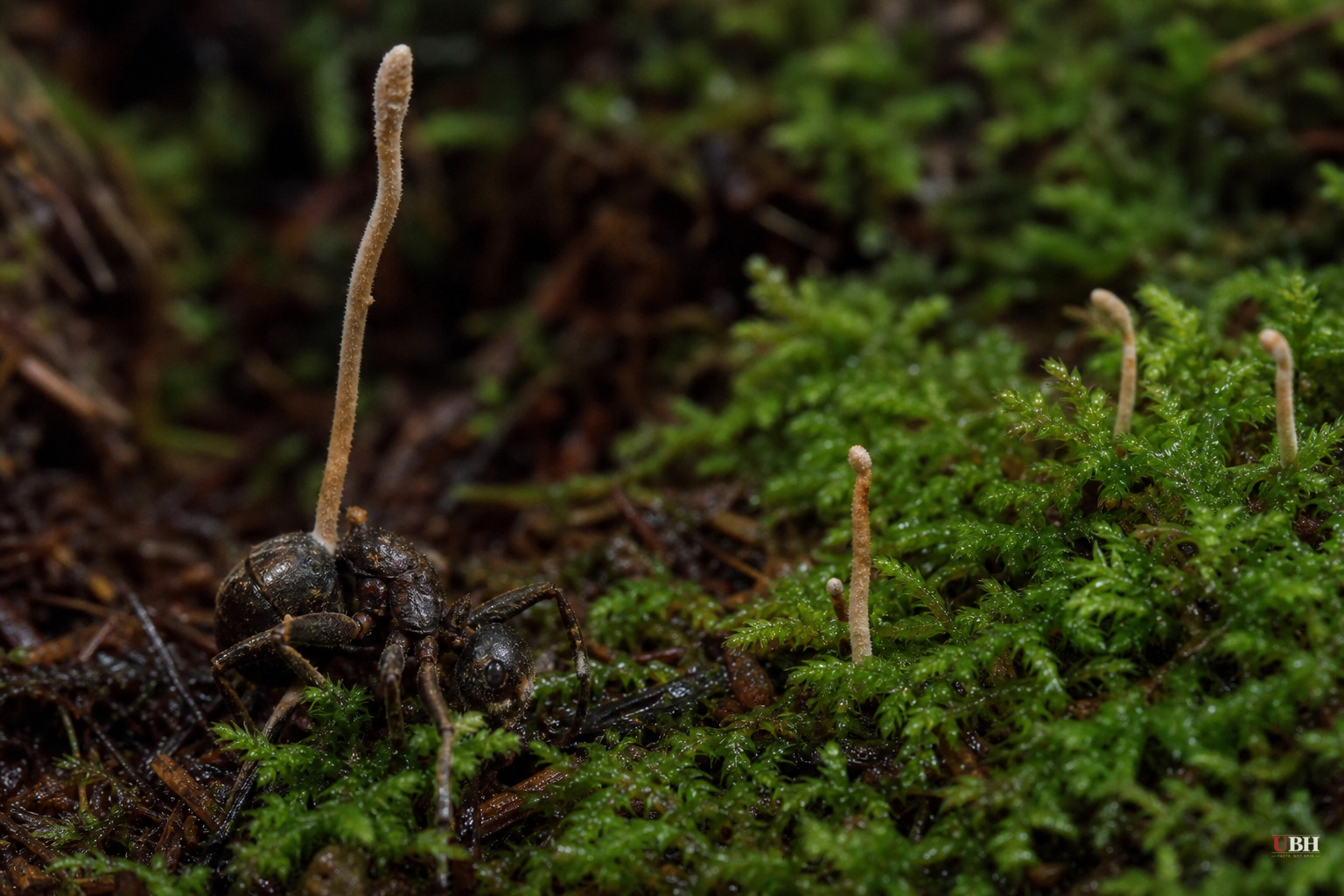
Scientists studying the parasitic fungus behind the real-life "zombie ant" phenomenon found something they didn't expect: the same fungus living quietly inside moss.
A paper published in the journal IMA Fungus reports that DNA analysis turned up matching fungal genetic material in both infected insects and the mosses growing nearby, according to Ars Technica. The researchers say this points to a second life stage in which the fungus survives inside plant tissue, not just insect bodies.
Cordyceps fungi are the real organism behind the fictional infection in the video game and HBO series The Last of Us, where a mutated version jumps to humans. In reality, more than 400 known Cordyceps species exist, and each one typically targets a specific insect: ants, dragonflies, cockroaches, aphids, beetles, and others, according to Ars Technica.
The mechanism is grim. Spores land on a target insect, like a carpenter ant, and germinate. The fungus spreads through the host's body using thread-like structures called mycelia. Infected ants are driven to climb to the top of a plant and clamp their jaws shut in a death grip on a leaf or twig before the fungus kills them and sprouts through their head to release more spores. The whole process takes four to fourteen days, per Ars Technica's account of the research.
Earlier science has tried to explain exactly how a fungus can hijack an ant's behavior without ever touching its brain. A 2019 study cited by Ars Technica found the fungus doesn't attach to the brain directly. Instead, it breaks down the membrane covering jaw-muscle fibers, triggering contractions forceful enough to damage the muscle itself, which produces that signature jaw-lock. A 2017 study found fungal cells build an interconnected 3D network that effectively cuts the ant's brain off from its body, letting the fungal network take over motor control.
What's new here is the moss connection. Researchers now think the fungus may use moss as a backup habitat, a way to persist in the environment when insect hosts are hard to find. That would also help explain a detail long noted by field researchers: infected ants often seem to seek out moss specifically as they die.
This isn't the first time scientists have caught an insect-killing fungus branching out into plant life. Ars Technica notes a 2020 study out of China found that Ophiocordyceps sinensis, known as "Himalayan gold" and prized in traditional medicine for infecting ghost moth larvae, also turns up lurking in nearby plants. Other fungal species have shown similar dual lifestyles, including one that infects plant roots and also parasitizes nematode eggs.
None of this is speculation about fictional pandemics. The Last of Us premise, in which Cordyceps mutates to infect humans, remains firmly science fiction. Human body temperature and immune defenses are a much tougher barrier than an ant's simple nervous system, and no Cordyceps species has been shown capable of infecting mammals. The show's writers have said as much themselves in past interviews, treating the fungus as a jumping-off point rather than a realistic threat.
The moss finding reshapes scientists' understanding of how these fungi survive lean periods and expand their range. If a pathogen can wait out a host shortage by hiding in nearby vegetation, that has implications for how researchers model fungal spread in forests and how they think about other parasite-host systems more broadly, including some that affect crops.
The IMA Fungus paper doesn't identify exactly how the fungus makes the jump between moss and insect, or whether the moss stage is essential to its life cycle or just an opportunistic side gig. Researchers will need field and lab work to answer what comes next: whether removing moss from an infected area changes fungal survival rates, and whether the moss-dwelling fungus can still produce spores capable of infecting a fresh ant.
Sources used for this briefing
1 link from 1 independent newsroom (syndicated copies of the same report count once)
These are the sources it draws on, linked so you can verify.


