
Unbiased headlines. Facts, not spin.
Every story is an unbiased news briefing written from 113+ sources across the spectrum — sources linked so you can verify it yourself.
 defense
Notable (6/10)
Event date: September 29, 2026
defense
Notable (6/10)
Event date: September 29, 2026
Zelensky Says Russia Shared Jet-Drone Tech With North Korea, Offers No Evidence
What Zelensky actually said
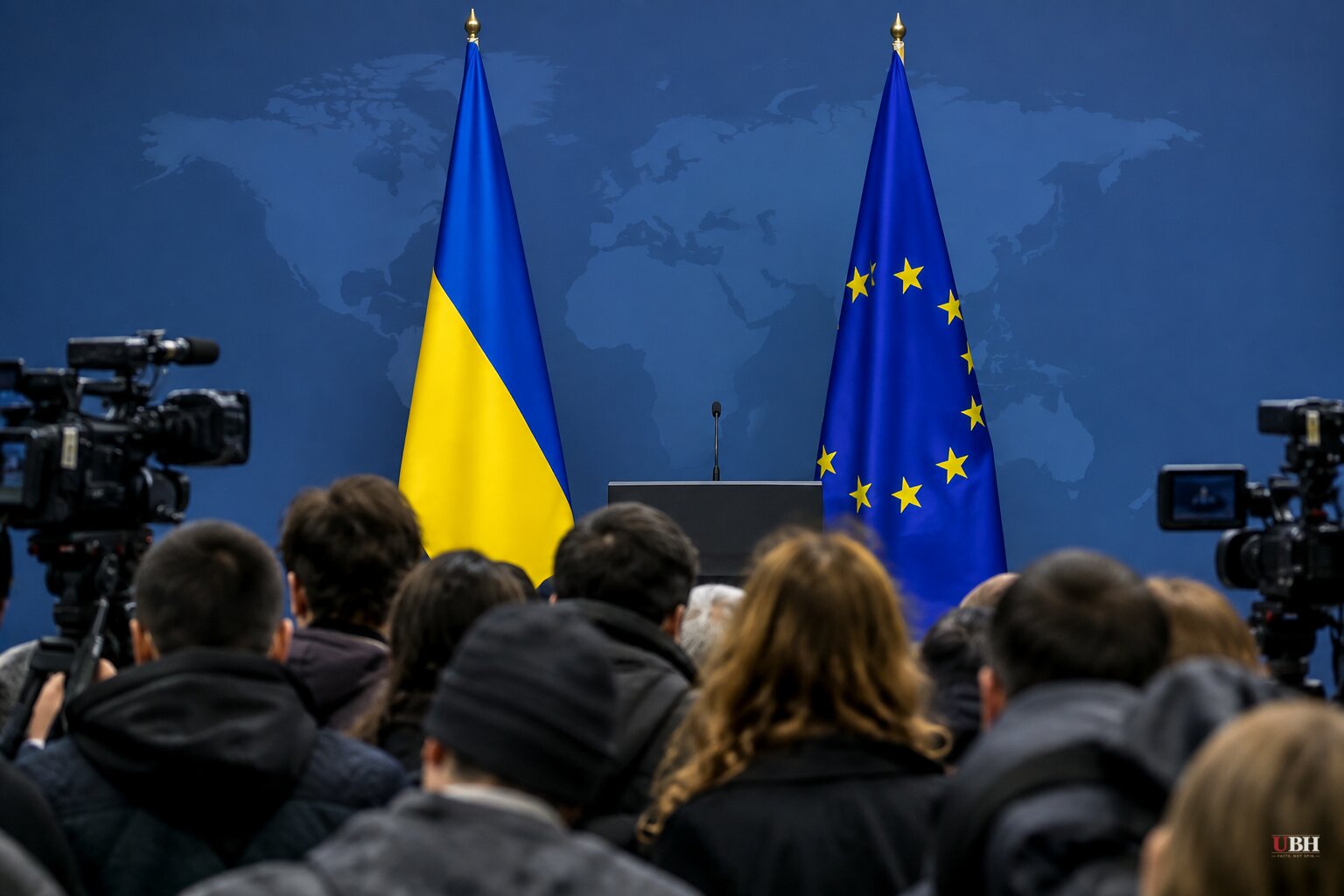
Asked directly at a press conference Sunday whether Russia had shared the technology behind its newest jet-powered drones with North Korea, Ukrainian President Volodymyr Zelensky answered: "Yes, of course."
"They (Russia) are sharing with North Korea all the technologies," Zelensky said, according to Reuters. "I don't know about the ballistic and etc, but I think, yes, because North Korea helped them with missiles."
That is an assessment, not a disclosure of evidence. Zelensky did not cite intercepted communications, satellite imagery, or captured hardware. Neither the Kremlin nor Pyongyang has confirmed or denied the claim, and no Western or Asian intelligence agency has publicly corroborated it.
This is not the first unverified figure Zelensky has put out this cycle. On September 29, he said more than 8,000 North Korean troops were already in Russia and another 10,000 were in training, and that Moscow was providing technical help to stand up North Korean production of Shahed-type attack drones in return. That claim also came without supporting documentation, according to reporting at the time.
The drones in question
Russia has sharply increased its use of jet-powered drones against Ukraine in recent weeks, according to the Kyiv Independent, which reports the Geran-4 and Geran-5 variants can hit speeds of 500 and 600 kilometers per hour. That's fast enough to outrun the slower FPV drones and mobile fire teams Ukraine has relied on to shoot them down, leaving Kyiv "no effective means of countering them other than using combat aircraft," per a Reuters dispatch carried by Global Banking & Finance.
North Korea's broader role in the war is documented separately from the jet-drone claim. Pyongyang has supplied Russia with millions of artillery shells and ballistic missiles that Moscow has fired into Ukrainian cities, and thousands of North Korean soldiers have deployed to Russian soil to gain combat experience, a fact South Korea and Western governments have voiced concern about for over a year.
A separate fight: Seoul wants an apology
While the jet-drone claim grabbed headlines, a real diplomatic dispute between Kyiv and Seoul has been escalating. Zelensky told the UN General Assembly last month that Ukraine had transferred two North Korean prisoners of war, captured in Russia's Kursk region in January 2025, to South Korea.
South Korea's presidential office says that disclosure broke a confidentiality agreement. Senior presidential secretary Seong Ghi-hong said in a statement Sunday that Ukraine had "repeatedly discussed the prisoners' transfer with Seoul through various channels" and had itself requested secrecy, reasoning that going public could trigger domestic backlash in Ukraine over giving up a chance to swap the men for Ukrainian POWs. Seong said Kyiv's subsequent denial that any non-disclosure agreement existed had damaged trust between the two governments, and said Seoul was reviewing "additional measures."
South Korean President Lee Jae Myung made a similar case in a post on X, saying "it was appropriate in every aspect not to disclose" the transfer and calling Ukraine's handling of it "deeply regrettable."
Zelensky's public response didn't engage Lee's confidentiality claim directly. "South Korea asked us to give them North Korean soldiers," he said. "By the way, according to their constitution, they are their citizens, so we gave them these two guys."
Both governments have put their version of events on the record. South Korea says there was a deal to stay quiet and Ukraine broke it, then denied the deal existed. Ukraine hasn't directly disputed that account in its public statements, instead framing the transfer as a straightforward matter of returning South Korean citizens. That leaves the confidentiality dispute itself unresolved.
On the ground
None of this is happening in a vacuum. A Russian drone struck Kyiv's Pivnichnyi Bridge on Sunday, and Russia's defense ministry said it would step up strikes on "military and military-industrial facilities, as well as related infrastructure" after Kyiv pledged to target Russian oil refineries. German Chancellor Friedrich Merz visited Kyiv the same day and pledged additional aid, according to the South China Morning Post.
What's actually unresolved
Zelensky's jet-drone claim is an allegation from an interested party in an active war, not a confirmed intelligence finding. The next real test is whether Western intelligence agencies, South Korea, or Japan publicly back it up, or whether it fades the way his September 29 troop-and-drone-production claim did, with no independent confirmation surfacing in the five days since. Separately, whether Seoul follows through on "additional measures" against Kyiv over the POW dispute, and what those measures would even look like between two governments that both depend on continued cooperation against Russia and North Korea, remains an open question neither side has answered.
Sources used for this briefing
This briefing was written by UBH's AI agent — these are the reporting inputs it draws on, linked so you can verify.


