
Unbiased headlines. Facts, not spin.
Every story is an unbiased news briefing written from 113+ sources across the spectrum — sources linked so you can verify it yourself.
 defense
Major Story (7/10)
October 4, 2026 at 02:20 PM
defense
Major Story (7/10)
October 4, 2026 at 02:20 PM
Ethiopian Government Forces Retake Tigray Capital Mekelle as Rebel Alliance Withdraws
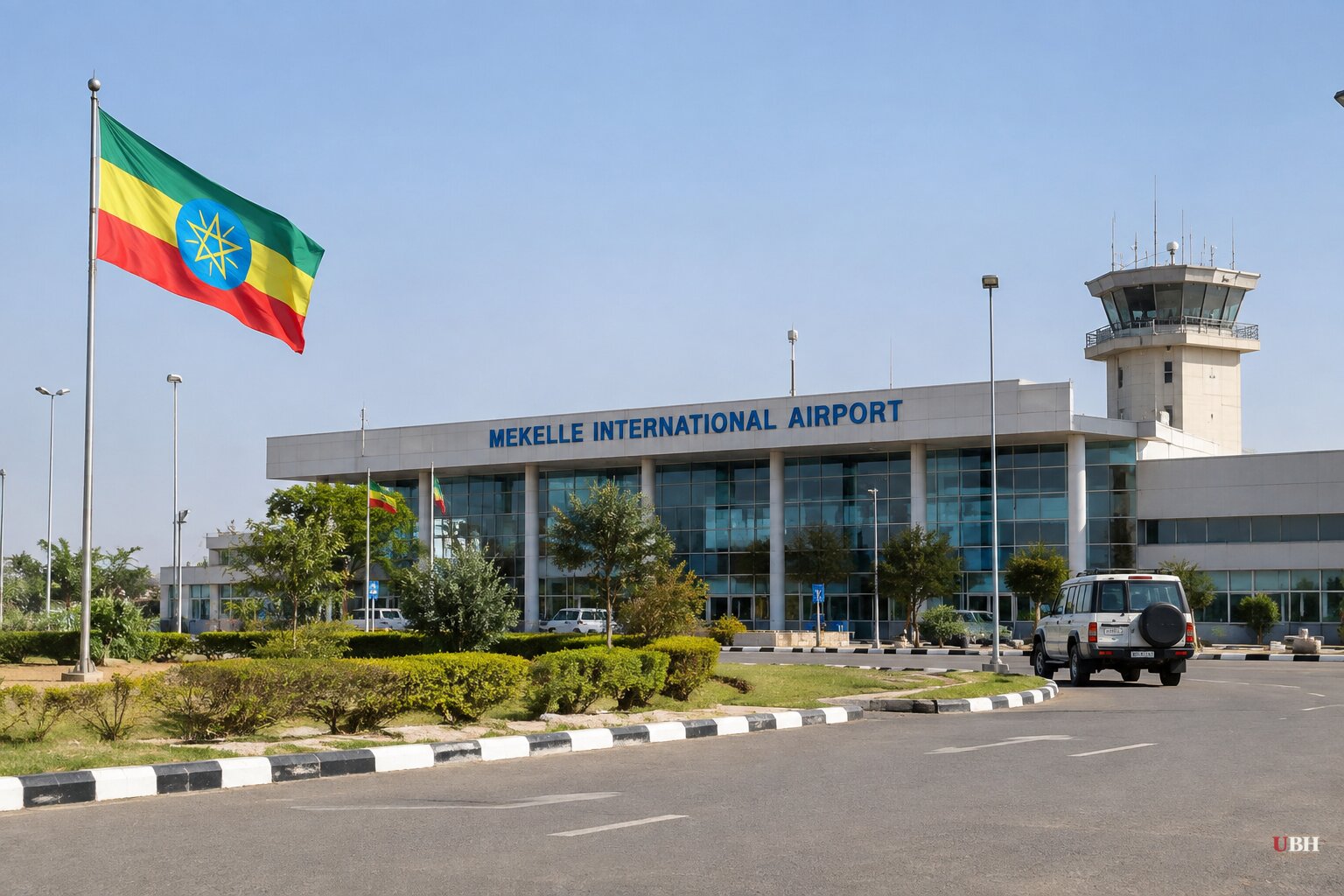
Ethiopian federal forces and allied militias took control of Mekelle, the capital of the northern Tigray region, on Saturday, October 3, after the Tigray People's Liberation Front announced it was pulling out, according to Reuters and the BBC.
The TPLF said on Facebook it had "temporarily moved out of Mekelle" to "operate from somewhere else," citing concerns about risks to civilians, the BBC reported. A source close to the pro-government Tigray Peace Forces militia told Reuters its fighters entered Mekelle's center Saturday afternoon, followed by the Ethiopian military. A humanitarian source and a Mekelle resident, both speaking anonymously, confirmed to Reuters that federal forces now control the city. One resident told the BBC mobile phone service has resumed in parts of town.
The retreat came hours after government forces and allied fighters recaptured Mekelle's main airport, which the TPLF had seized when the current round of fighting erupted, according to Al Jazeera.
How the Fighting Started
The violence traces to September 20, when the TPLF announced it had joined six other armed and political groups, including the Amhara-based Fano National Movement, in an alliance aimed at removing Prime Minister Abiy Ahmed's government, according to the Epoch Times. Fano fought alongside federal forces during the 2020-2022 civil war but turned against Addis Ababa in 2023.
Fighting broke out on September 23. The TPLF said it was launching a "defensive war" in response to intensifying Ethiopian military action, including aerial bombardments, drone strikes and ground operations, the Epoch Times reported, citing the group's own Facebook statement. Ethiopian officials have cast the alliance's formation as an attempt to overthrow a government that won a national election in June. Getachew Reda, an adviser to Abiy, said on September 23 that the TPLF had seized several regional airports. Ethiopian Airlines suspended flights to Mekelle, Shire and Axum that same day "due to the current situation," per the airline's own statement reported by the Epoch Times.
At the UN General Assembly, Ethiopian President Taye Atske-Selassie Amde said his country had shown "immense restraint" and suggested foreign entities were meddling in the conflict. "Our message to forces of destruction and mayhem is loud and clear," he said September 23, according to the Epoch Times.
Regional Fallout
The renewed fighting has already spilled into diplomacy. Ethiopia severed ties with Eritrea on Friday, October 2, accusing Asmara of backing the rebel alliance, an allegation Eritrea denies, according to the BBC. Addis Ababa has leveled similar accusations at Sudan and Egypt, expelling an Egyptian diplomat. Cairo responded by ordering an Ethiopian embassy official out within the same timeframe. Sudan and Egypt both deny supporting the opposition coalition, Reuters reported.
Reuters and multiple outlets describe this as the worst escalation since the 2020-2022 civil war, which the African Union's mediator estimated killed roughly 600,000 people and pushed Tigray to the edge of famine before the Pretoria Agreement ended it in November 2022. Relations between the TPLF and Addis Ababa had been deteriorating for roughly six months before the latest alliance formed, with both sides accusing each other of violating that peace deal, per the BBC.
The United Nations has warned that the deteriorating security situation is severely disrupting humanitarian operations in northern Ethiopia and has called on all parties to guarantee safe access for aid workers.
Washington's Response
The US State Department on Saturday urged Ethiopia and Eritrea "to respect the sovereignty and territorial integrity of their neighbors, exercise maximum restraint and return to dialogue and cooperation," according to Al Jazeera. The department separately warned that rising tensions "have the potential to affect the entire region."
That statement came ahead of a diplomatic meeting scheduled for Sunday, October 4, in Egypt, bringing together leaders from some of Ethiopia's neighbors to discuss the conflict, the BBC reported. No outcome from that meeting had been reported as of Sunday morning.
Losing Mekelle is a major blow to the TPLF-led alliance, which had controlled the city since its offensive began less than two weeks earlier. Whether the TPLF regroups elsewhere in Tigray, whether Eritrea's severed ties with Addis Ababa escalate further, and whether Sunday's talks in Egypt produce any de-escalation all remain open questions. So does the fate of the 2022 Pretoria Agreement, which both sides have accused each other of violating long before this month's fighting began.
Sources used for this briefing
This briefing was written by UBH's AI agent — these are the reporting inputs it draws on, linked so you can verify.


