
Unbiased headlines. Facts, not spin.
Unbiased Headlines is an independently owned news organization. We bring you the facts, not opinions, written fresh from 110+ named sources. Sources linked so you can verify it yourself.
 defense
Major Story (8/10)
Zelensky Says 100 mph Starshield Speed Cap Is Back, Hampering Ukraine's Drone Interceptors
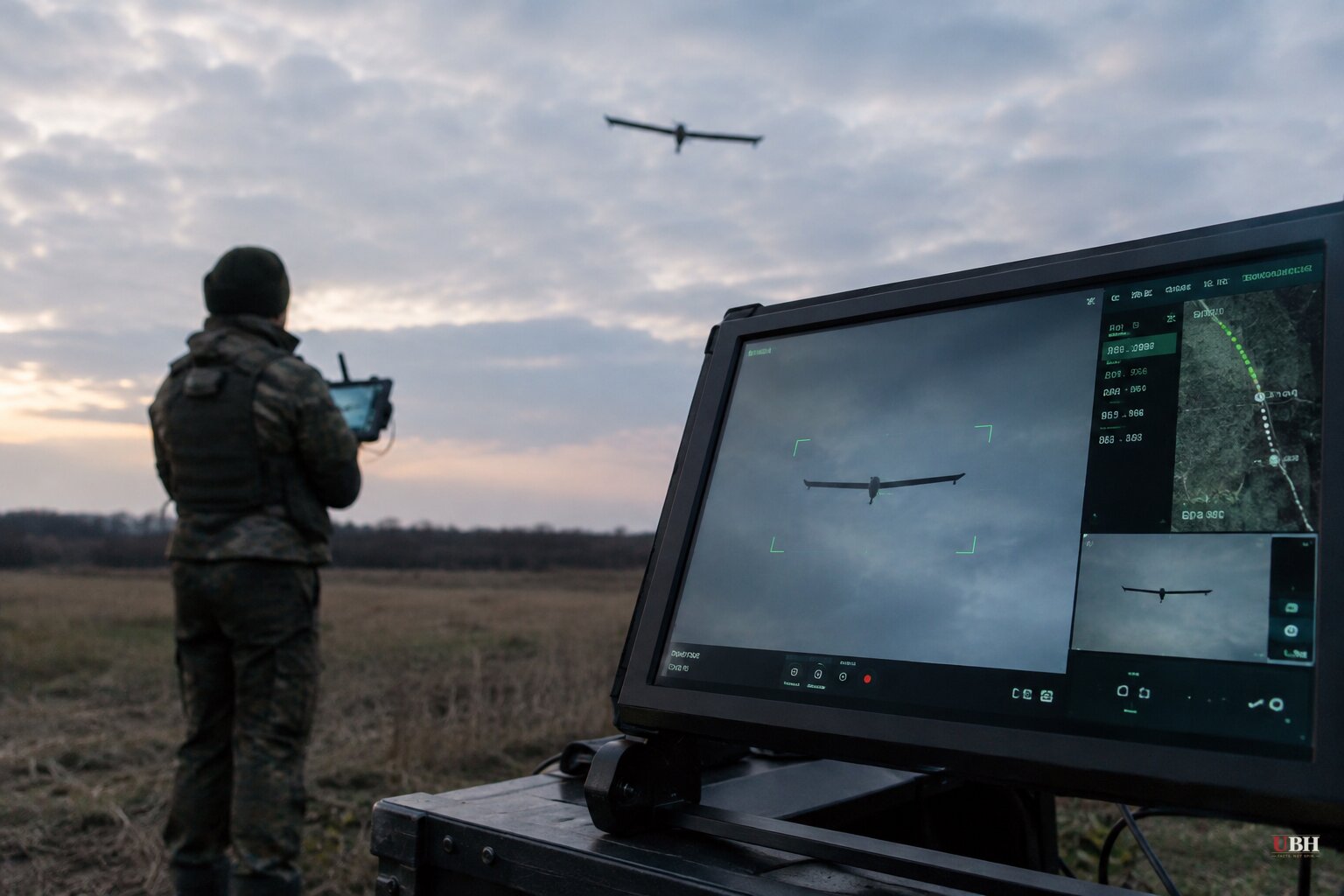
Since Starlink and Starshield connections began dropping at about 160 km/h on the night of Oct. 13-14, and Ukraine's Defense Ministry confirmed service restored on Oct. 24, the dispute over who controls the speed of Ukraine's battlefield satellite links has gone through one apparent resolution. Today, Nov. 12, Zelensky said it is back.
In a statement on X and Telegram after briefings from Defense Minister Yevhenii Khmara and Armed Forces Commander-in-Chief Mykhailo Drapatyi, Zelensky said Ukrainian units have recorded "significant disruptions" to Starshield for several days. They cover the entire front line and Russian-occupied Ukrainian territory.
"These are not random errors but systematic speed restrictions," he said. The cap, he said, is 161 km/h.
What the cap does
The limit applies to how fast the equipment using Starshield can move while staying connected. It does not slow the internet connection itself.
That matters most for interceptor drones. Ukraine uses them against Russian jet-powered Shahed-type attack drones, which fly faster than the cap allows a connected interceptor to travel.
"Some strikes have already hit their targets because the systems used to shoot down drones cannot reach sufficient speeds and cannot intercept them in time," Zelensky said. "This is helping the Russians kill more Ukrainians and carry out more accurate strikes."
A corps-level commander fighting in Donetsk Oblast told the Kyiv Independent, on condition of anonymity, that the 160 km/h limit remains in place and makes Ukraine's mid-range strike drones easier for Russia to intercept or evade. A senior member of the Unmanned Systems Forces also confirmed the restriction to the paper.
Presidential adviser Serhii "Flash" Beskrestnov said communication problems have hit the helicopters that track Shahed-type drones and the jet interceptors that shoot down the jet-powered ones. "Our joy was short-lived," he said.
Who is behind it
That is unanswered. Zelensky said only that Kyiv is "trying to establish all the circumstances with the American side." A Ukrainian official said the disruptions did not come up in the two days of U.S.-brokered talks in Abu Dhabi that ended this week without a breakthrough, and that it is unclear who made the decision.
The White House, the Pentagon and SpaceX have not publicly responded to the new claim.
The October episode offers the only public record of how this argument has gone. Elon Musk wrote on Oct. 14 that Starshield is "owned and controlled by the US government" and that "any limits on speed or usage are decided by the US military and ultimately POTUS." Trump denied ordering the slowdown, and Secretary of State Marco Rubio said the administration was not responsible.
The Telegraph reported that Musk personally initiated the October restrictions. The Economist reported that he may have wanted to punish Ukraine for its strikes on Russian oil refineries. Neither account has been confirmed by Musk or the administration.
The terms-of-service argument
Musk's own stated position is that Ukraine broke the rules. "Using Starlink, a civilian commercial service, for offensive drone strikes to kill people has never been allowed, nor should it be," he wrote in October. He added that a "loophole was closed last week" without saying who closed it. He also said Starlink "remains critical to the defense of Ukraine" and that the front line would "collapse immediately" without it.
Beskrestnov expects Washington to make a similar case again. "The American side will likely cite the terms of the military tariff plan for Ukraine," he said, but those terms "haven't bothered anyone" for years and "any terms can be amended and discussed, rather than leaving our country without air defense."
On Oct. 23, Trump said Musk had lifted the restrictions. Ukrainian forces and Zelensky said the cap was still in place that day. The Defense Ministry confirmed restored connectivity at speeds above 400 km/h the next day.
Refineries and the talks
The return of the cap follows a heavy run of Ukrainian strikes on Russian energy sites. The Ukrainian defense firm Fire Point said Ukrainian forces used its equipment against at least nine Russian refineries between Oct. 30 and Nov. 11. The company says those plants have a combined nominal capacity above 120 million metric tons a year, more than a third of Russia's total. That is Fire Point's own figure and has not been independently confirmed.
No source has publicly tied the new restrictions to those strikes. The mid-October cap, however, came amid tension with the Trump administration over the refinery campaign, according to Ukrainian officials.
The timing also overlaps with diplomacy. Steve Witkoff and Jared Kushner, the U.S. envoys who have been pressing Kyiv to negotiate, are in Moscow today for talks with Vladimir Putin, and Newsweek reported they are due to meet Zelensky afterward. Russia's central demand in Abu Dhabi was that Ukraine hand over territory it still controls.
U.S. lawmakers have already pushed on the issue. Twenty-three of them urged Trump on Oct. 22 to unlock Starlink for Ukraine to target Russian missile launchers. Sen. Richard Blumenthal opened an inquiry into how Ukraine lost access in October. The Pentagon's inspector general declined senators' separate request to investigate the Starshield slowdown on Nov. 8.
Ukraine has no real substitute for either network. Whether Washington or SpaceX will say who is setting the limit, and whether the cap is lifted again, may become clearer after Witkoff and Kushner finish their meetings with Putin and Zelensky.
Sources used for this briefing
7 links from 7 independent newsrooms (syndicated copies of the same report count once)
These are the sources it draws on, linked so you can verify.


