
Unbiased headlines. Facts, not spin.
Unbiased Headlines is an independently owned news organization. We bring you the facts, not opinions, written fresh from 110+ named sources. Sources linked so you can verify it yourself.
 health
Notable (6/10)
Event date: October 30, 2026 ·
Yemen's Hospitals at Breaking Point as 600 Displaced Women Near Delivery, Red Cross and UN Say
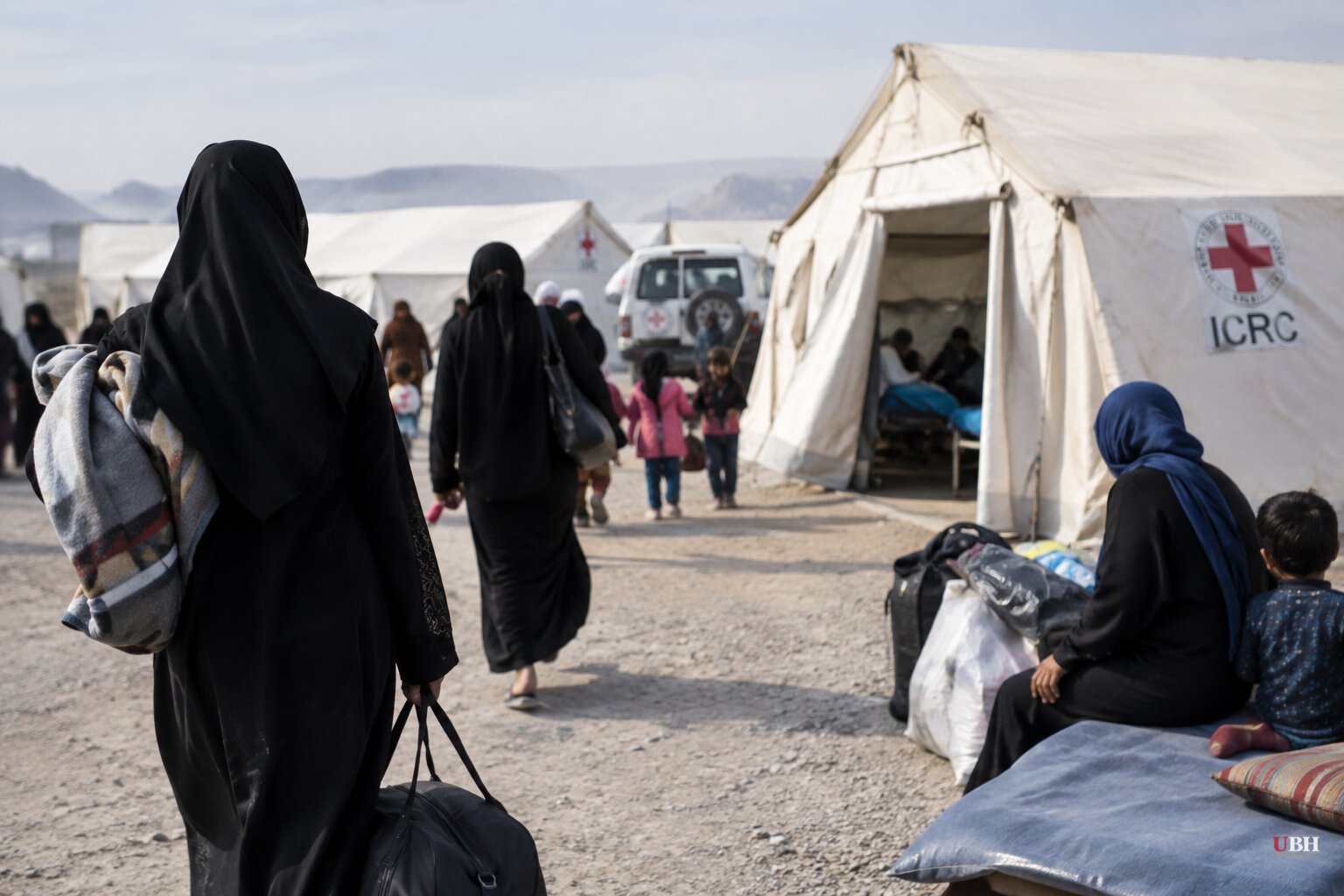
Since fighting between the Saudi-backed government and the Iran-aligned Houthis resumed in August, more than 290,000 Yemenis have been forced from their homes, the UN said Friday, Oct. 30. The latest details from aid agencies show what that is doing to Yemen's health system.
Maternity wards turned into emergency rooms
UN spokesperson Stephane Dujarric said the UN Population Fund estimates nearly 6,100 pregnant women are among the recently displaced. About 600 of them are expected to give birth within the next two weeks.
The agency has sent mobile teams and midwives to displacement sites and is delivering maternal health supplies, Dujarric said.
Red Cross spokesperson Hachem Osseiran said some hospitals near the front lines are converting maternity wards into emergency rooms. Doctors face an awful choice, he said: "Do I help this woman deliver her baby, or do I rush to a person who is bleeding out because of a gunshot wound?"
"The healthcare system across Yemen is at a breaking point," Osseiran said.
He said more than 40% of the country's hospitals and health facilities were already closed or only partly functioning before the latest fighting.
Taiz cut off since Oct. 3
Taiz governorate hosts about half of the 281,000 people newly displaced as of Oct. 29, according to figures cited by aid agencies. It has been largely isolated since Oct. 3. Fighting is blocking humanitarian supplies from coming in and civilians from getting out.
The UN says health needs in the besieged city are critical, with acute shortages of medicine, oxygen, surgical gloves, anesthetic and fuel. Community midwives in Taiz city have stopped working because of restrictions on movement, the UN says.
Hospitals near the front lines are treating up to 700 war wounded in a single week, according to the Red Cross. Taiz, Marib and the Red Sea coast are seeing some of the highest casualties, with gunshot wounds and complex blast injuries.
Amal al-Sabri, 25, a mother of two who is more than four months pregnant, was hit by a sniper bullet in the village of al-Shaqb after being trapped at home for two days without food or water. Doctors at Al-Thawra hospital told her they could not scan her because of the pregnancy, and the bullet remains lodged near her spine. "Now I am giving up the fetus," she said.
Health facilities are also being hit. The UN says a hospital in Taiz's Sabir Al-Mawadim district was struck by mortar fragments for the second time this month. A strike on an ambulance killed its driver and a paramedic. Another strike on Monday, Oct. 26, hit near Mocha General Hospital, where Doctors Without Borders (MSF) supports the maternity and pediatric wards.
Camps short of tents and medicine
MSF says more than 230,000 people have been displaced from Yemen's western coast since the escalation began in September. That figure comes from MSF's own count and differs from the UN's August start date and national total.
MSF mobile teams have handled more than 1,000 consultations since mid-September. The most common complaints were upper respiratory infections (245 cases), urinary tract infections (127) and gastritis (79), all tied to living conditions.
Maher, 19, a fisherman from Mokha, fled with five other families and now lives in Atira camp in Lahj governorate, about 155 miles away. "We sought refuge in the camp, but there were no tents," he said. His group slept under trees for almost a week before getting one.
Atira built an extension for 150 newly displaced families. About 310 families displaced over the past decade of war already live there.
Itta Helland-Hansen, MSF's country coordinator in Yemen, said teams are seeing pregnant women who have had no prenatal care and delivered in unequipped, unsanitary places. They are also seeing patients with empty boxes of epilepsy, hypertension and diabetes medication.
Aid reach and the detained WFP staff
Dujarric said humanitarian partners have reached nearly 249,000 displaced people with food aid, hygiene supplies and emergency cash. That is a large share of the 290,000 total, though it counts people reached, not people covered for the long term.
The UN Refugee Agency says more than 65,000 refugees and asylum-seekers in Yemen face a "rapidly worsening humanitarian situation" as food and fuel prices rise. It has helped more than 600 Somali refugees return home voluntarily since August. The new displacement comes on top of more than 5.2 million Yemenis who were already internally displaced before August.
The World Food Programme faces its own constraint. New WFP executive director Luke Lindberg said this week that 37 WFP staff are detained by the Houthis, many for nearly two years. All are Yemeni nationals employed locally, and none is American, he said. He said he raised the detentions with U.S. Ambassador to the UN Mike Waltz in his first days on the job.
Lindberg also cited more than 18 million Yemenis facing acute food insecurity, including more than 2 million children under five with acute malnutrition.
The UN has called on all parties to protect civilians and civilian infrastructure and allow "safe, sustained and unimpeded humanitarian access." The 600 expected births fall inside a two-week window ending around mid-November, with Taiz still largely cut off.
Sources used for this briefing
7 links from 7 independent newsrooms (syndicated copies of the same report count once)
These are the sources it draws on, linked so you can verify.


