
Unbiased headlines. Facts, not spin.
Unbiased Headlines is an independently owned news organization. We bring you the facts, not opinions, written fresh from 110+ named sources. Sources linked so you can verify it yourself.
 defense
Major Story (7/10)
Yemen's Government Says Houthis Fired Ballistic Missiles at Aden Airport and Palace for Second Time in Two Weeks
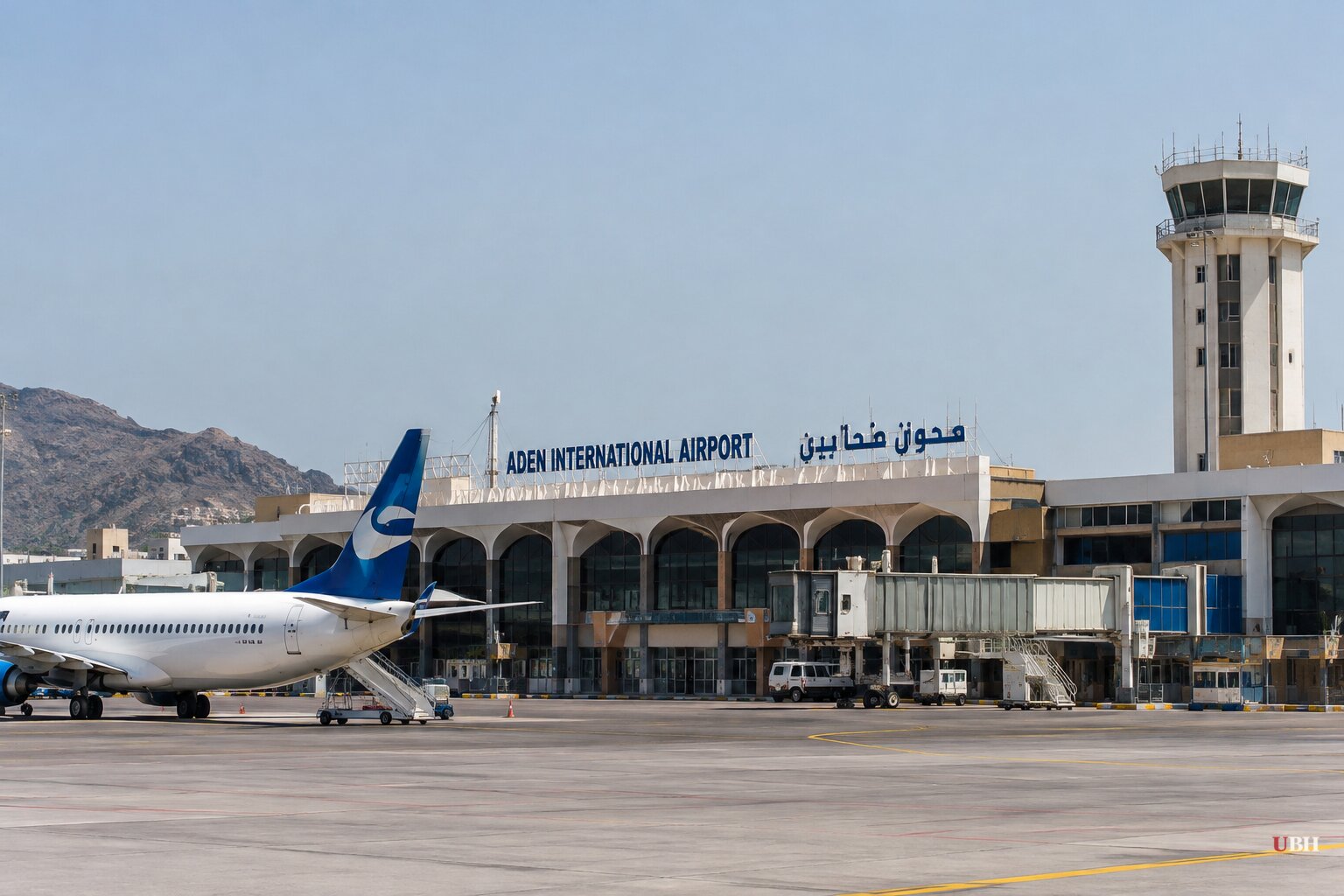
Since fighting intensified again in July, Aden has absorbed repeated Houthi strikes. Today, Oct. 30, the Yemeni government says it took two more.
A spokesperson for Yemen's armed forces said the Houthi militia fired ballistic missiles at Aden International Airport and the Maashiq presidential palace complex. The statement gave no information on casualties or damage, and did not say whether the missiles hit their targets.
A police official told Agence France-Presse the palace was targeted with two missiles. Two eyewitnesses told the agency they saw ambulances entering the compound, which is made up of several buildings. Residents and an AFP journalist reported hearing two explosions in the city shortly before.
A third strike on Aden sites in about two weeks
The palace was last hit on Oct. 15. Information Minister Moammar al-Eryani said five ballistic missiles struck Al-Maashiq and that five people were killed and 16 injured. Health Minister Qasim Buhaibeh said the dead were guards and civilian employees. A further government statement said two of the dead were bodyguards of the prime minister.
Prime Minister al-Zindani was at the palace and was not harmed, a Yemeni government minister told AFP. That minister also said the compound houses command centers for both Yemeni and Saudi coalition forces, and that both were hit, with Yemeni and Saudi casualties.
The airport was hit on Wednesday, Oct. 28. AFPTV video showed smoke rising after a missile struck the facility, and the Houthis had called for it to be evacuated beforehand. Today's strike is the second attempt on the airport in two days.
What the Houthis say they are hitting
The government and the Houthis describe the palace strikes in opposite terms. After the Oct. 15 attack, Prime Minister al-Zindani called it a "brutal ballistic missile attack" and an example of "criminal targeting of civilians." He said the government remains determined to "end the Houthi coup."
Houthi state media said that strike was aimed at a nearby "military operations base" staffed by Saudi officers. Military spokesman Yahya Saree said the group's policy is to "target Saudi reinforcements wherever they are located." The Houthis, also known as Ansar Allah, say they hit military facilities, not civilian ones.
Today's government spokesperson argued the airport attacks expose a contradiction. The Houthis claim to want an end to the blockade, he said, yet they target Yemen's national infrastructure and, in his words, act against the Yemeni population.
Government claims of a major ground and air offensive
The same spokesperson said Yemeni forces carried out 1,087 attacks on Houthi positions today under the "Dawn of Yemen" campaign. The government claims it neutralized about 336 Houthi leaders and fighters and destroyed or disabled 112 military vehicles and other assets.
The spokesperson said the operations used combat aircraft, drones, field artillery and rocket launchers. Targets included forward command centers, troop gatherings, firing positions, fortifications and supply routes. In Taiz, government forces and allied Popular Resistance fighters carried out raids and counterattacks. The spokesperson also described operations on the Al-Jawf, Marib and Al-Bayda fronts.
These figures come from the government's military spokesperson alone. No independent count of Houthi losses has been published.
Pressure on Saudi territory
The fighting is also reaching Saudi Arabia. The Saudi-led coalition said today it intercepted and destroyed a Houthi drone over the Medina region, home to the Prophet's Mosque. It earlier reported intercepting another drone over the Mecca region. The Houthis have denied launching the Mecca-region drone.
Aden is the base of Yemen's internationally recognized government, which the Houthis drove out of Sanaa in 2014. Many of its executive functions are carried out from Riyadh. The Houthis are backed by Iran, and Yemen's war is now tied to the wider regional confrontation involving Iran and the Gulf.
The open questions are concrete. The government has not said whether anyone was killed or wounded today, or what was damaged. The ambulances at the palace suggest at least some casualties, but no one has confirmed a toll.
Sources used for this briefing
7 links from 7 independent newsrooms (syndicated copies of the same report count once)
These are the sources it draws on, linked so you can verify.


