
Unbiased headlines. Facts, not spin.
Unbiased Headlines is an independently owned news organization. We bring you the facts, not opinions, written fresh from 110+ named sources. Sources linked so you can verify it yourself.
 defense
Major Story (8/10)
State Department Approves Potential $2.1 Billion Sale of 500 Patriot Missiles to Ukraine, Paid by Allies
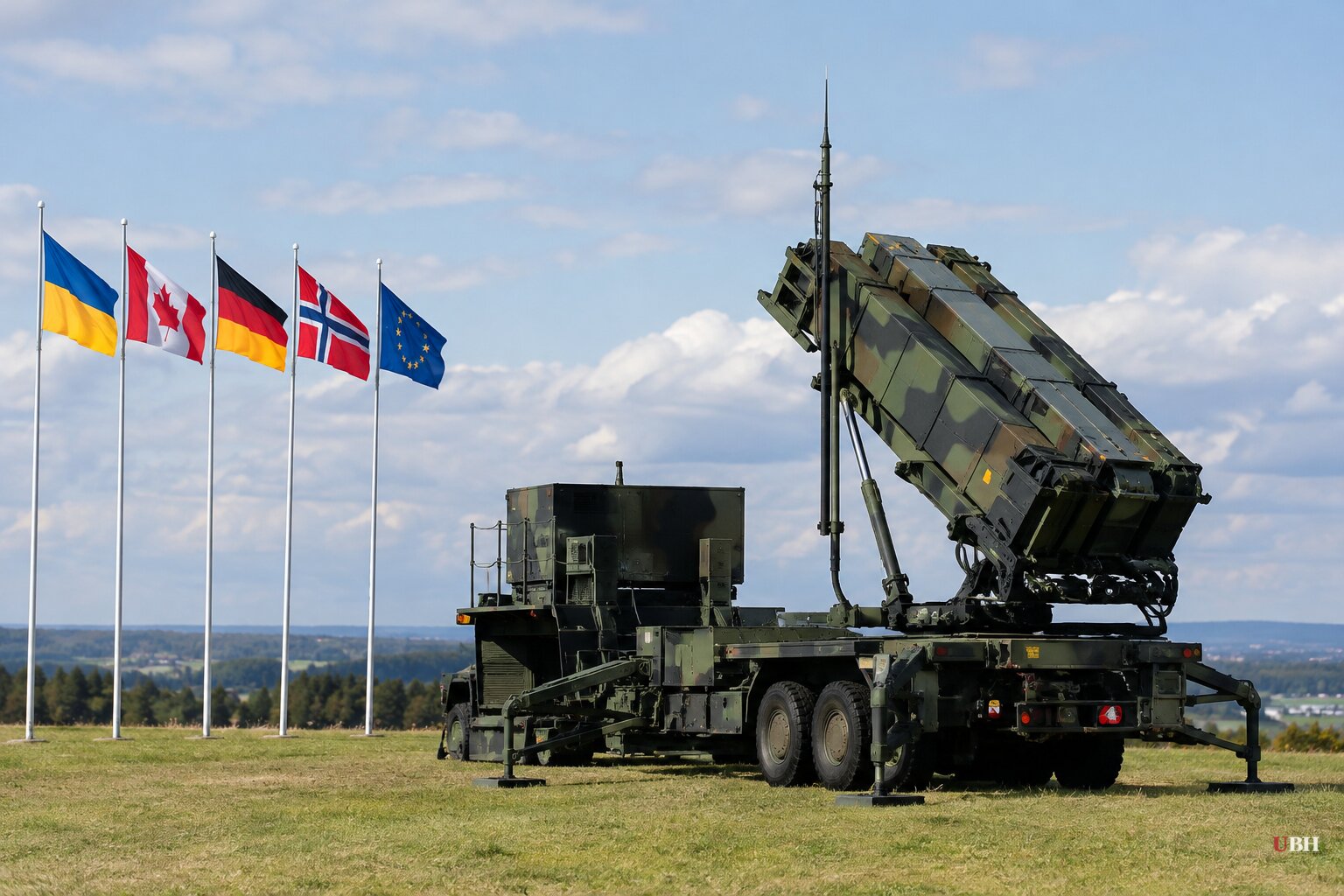
The State Department approved the potential sale of 500 Patriot PAC-3 MSE missiles to Ukraine on Oct. 30. The estimated price is $2.1 billion.
American taxpayers are not paying for it. The department's congressional notification says the purchase will be made with donations from Canada, Germany and Norway through the JUMPSTART program, plus national funds financed by the European Union's Ukraine Support Loan. "No U.S. funds are involved in this sale," the notice says.
The package also covers classified and unclassified spare parts, logistics and program support. Lockheed Martin is the principal contractor.
An approval, not a delivery
This is a notification of a possible sale. It is not a signed contract.
Under U.S. arms export procedures, Congress generally has 30 calendar days to review a proposed transaction. A final Letter of Offer and Acceptance cannot be issued until that period ends. The State Department gave no contract date, production schedule or delivery timeline.
Politico's Paul McLeary noted that contract negotiations start now and the missiles likely won't arrive for years. An April 2026 analysis by the Center for Strategic and International Studies estimated an average of 29 months between procurement and first PAC-3 MSE deliveries. Initial shipments in 2027 or 2028 would depend on production availability and contract terms.
Foreign Military Sales notifications are generally early steps in what can be years-long processes, and quantities and prices can change as contract negotiations continue. Lawmakers could also delay or block the deal, though Breaking Defense called that less likely given remaining bipartisan support for Ukraine.
The department also said it was "not aware" of any offset arrangement between Ukraine and Lockheed Martin that would put part of the missile's production in Ukraine. It noted that Kyiv and Lockheed could negotiate one directly.
Weeks of friction over Patriot supply
The approval follows a rough October. CNN reported earlier this month that Ukraine's Patriot supply had run dry. On Oct. 19, The Washington Post reported that the U.S. appeared to have delayed transferring Patriot interceptors to Ukraine amid a falling out between President Donald Trump and President Volodymyr Zelenskyy.
Zelenskyy said Ukraine had waited almost a month for Pentagon chief Pete Hegseth to sign off on missiles for Patriot and NASAMS systems. On Oct. 25 he said progress was being made on Patriot missiles, "but things are moving very slowly. More slowly than Russian missiles fly." He added: "You cannot say, 'Yes, we will give the missiles to you,' and then not deliver them for a month or two. It simply does not work that way."
The Pentagon's side of that dispute has come from NATO. Gen. Alexus Grynkewich, NATO's top military commander, said the United States continues to supply Patriot missiles and European-funded packages under the PURL initiative without delays.
Other disputes surfaced the same month. Zelenskyy said the U.S. interrupted missile-warning intelligence and that Starlink connectivity was throttled. Ukraine says both have been restored.
CNN reported that Trump also threatened to withhold intelligence over Ukrainian strikes on Russian refineries. It reported that Trump announced a deal allowing Russian diesel exports to global markets and waived a further slate of sanctions on Russian fossil fuel sales that had only just been signed into law.
The need on the ground
In a video posted Oct. 30, Zelenskyy said Russia launched 17 ballistic missiles overnight, including some that hit oil refining infrastructure in central Ukraine. He cited the Patriot shortage again.
The PAC-3 MSE is a hit-to-kill interceptor and one of the few weapons capable of shooting down incoming ballistic missiles. Zelenskyy previously told ABC News that Ukraine would need 350 interceptors per month to properly defend its territory. The missiles in this notice are years from arriving.
CNN also reports that demand is stretched by a munitions shortage linked to the Iran war and growing international demand. Ukrainian outlet United24 reported that in mid-October most available stocks had been directed to the Middle East for an extended period.
The Lockheed question
At the July NATO summit in Turkey, Trump announced that Ukraine would receive a license to produce its own Patriot missiles. CNN reports that any Ukrainian interceptor factory could take years to build and that the president has seemingly backed off the idea. The offset question in the notice leaves that issue unresolved.
For Washington, the structure of the deal is simple. Europeans and Canada pay, an American contractor builds, and the State Department says the sale does not hurt U.S. defense readiness and requires no additional U.S. government or contractor personnel in Ukraine. The department's own language calls it a boost to "a partner country that is a force for political and economic stability in Europe."
The next marker is the end of the congressional review period, which generally runs 30 calendar days. After that comes a Letter of Offer and Acceptance and contract negotiations. The State Department did not specify when the interceptors would be delivered to Ukraine.
Sources used for this briefing
7 links from 7 independent newsrooms (syndicated copies of the same report count once)
These are the sources it draws on, linked so you can verify.


