
Unbiased headlines. Facts, not spin.
Every story is an unbiased news briefing written from 110+ sources across the spectrum — sources linked so you can verify it yourself.
 politics
Major Story (8/10)
August 17, 2026 at 10:22 PM
politics
Major Story (8/10)
August 17, 2026 at 10:22 PM
Xi Jinping to Skip UN General Assembly, Meet Trump at White House September 24
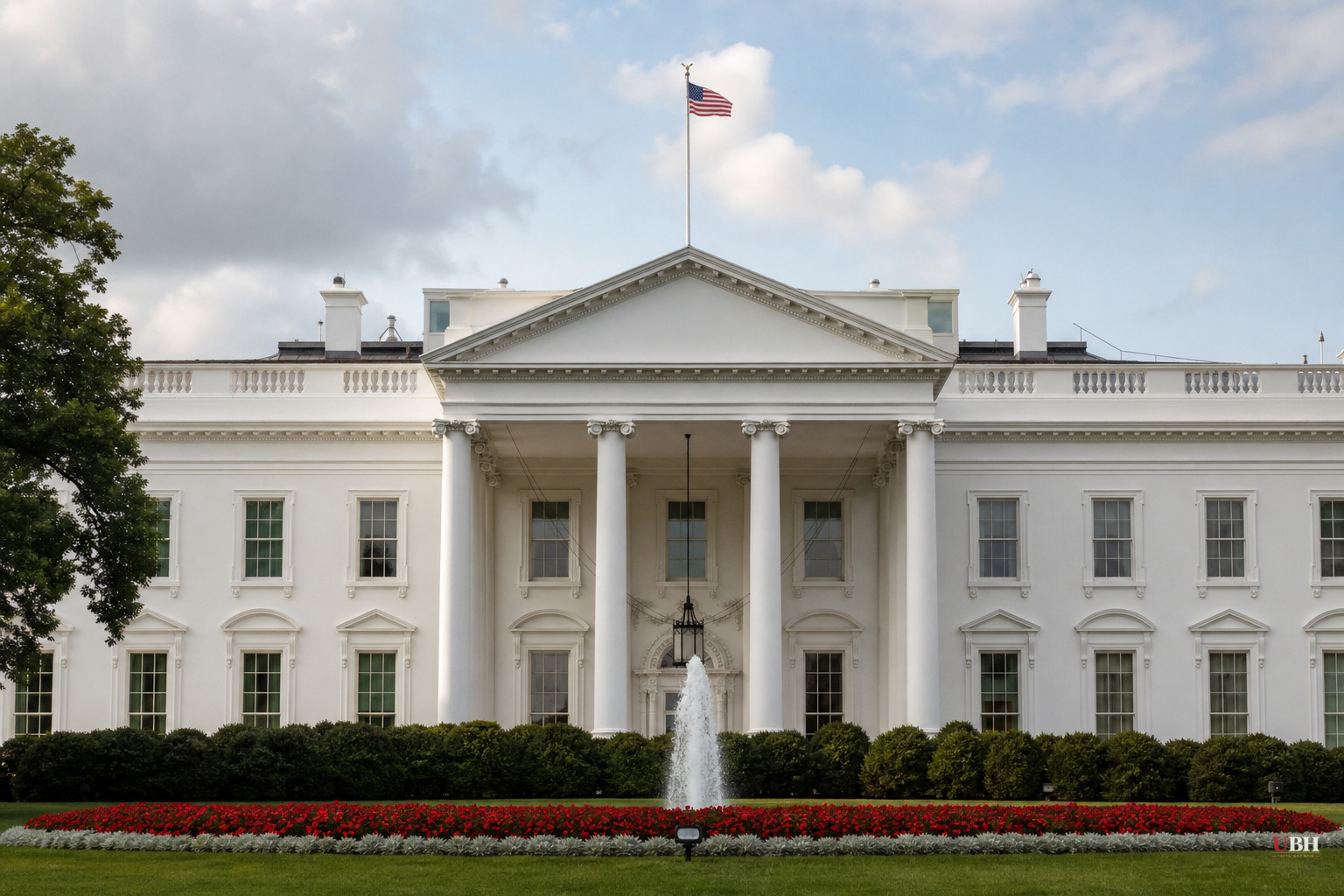
Xi Jinping is scheduled to arrive in Washington on September 23 for his first US visit in 11 years, hold a full day of talks with President Donald Trump at the White House on September 24, and depart September 25, according to Politico. The White House confirmed the September 24 meeting to Newsweek but has not detailed the rest of the itinerary.
What Xi is not doing matters as much as what he is doing. The UN General Assembly's high-level session opens September 22 in New York, and Xi is skipping it entirely. Four people familiar with his travel plans told reporters, as relayed by samaa.tv, that Xi won't attend the General Debate. A European Union diplomat in Washington said China hadn't even sent an advance team to New York, a strong signal Beijing never planned to show up.
This isn't new behavior. Xi has attended the UN General Assembly in person exactly once since taking power in 2012, back in 2015 for the UN's 70th anniversary. He addressed it virtually in 2021 during COVID. In 2025, he sent Premier Li Qiang instead. Skipping the multilateral stage to go all-in on a bilateral relationship is Xi's default, not an aberration.
The agenda for the September 24 sit-down is expected to cover trade, Taiwan, artificial intelligence, and the Iran-Hormuz situation, according to Politico's reporting as relayed by scanx.trade. Crypto Briefing reported the AI, trade, and technology focus specifically, noting Trump first floated the September 24 date publicly back around July 6.
This will be the second in-person Trump-Xi meeting of 2026. Trump traveled to Beijing in May for a state visit, his first trip there in his second term and the first by an American president in nearly a decade. Breitbart covered that Beijing trip with unusually sharp language, flatly calling Xi a "genocidal dictator" in its headline while reporting that Trump called Xi a "great leader" at a state banquet and described their relationship as "an honor." Trump told Xi, "we've had a fantastic relationship... whenever we had a problem, we worked it out very quickly." Xi's own remarks, according to Breitbart's account of Chinese state outlet Global Times coverage, avoided personal flattery of Trump and instead framed US-China cooperation as beneficial "for the world," while touting Beijing's vision of a "new era."
Two face-to-face summits in one calendar year is not normal for this relationship. There were stretches during the first Trump term and parts of the Biden administration when the two heads of state didn't meet in person for years at a stretch.
Newsweek's reporting adds a layer worth taking seriously. A rare US congressional delegation, the bipartisan U.S.-China Economic and Security Review Commission, spent five days in Beijing, Hangzhou, and Shanghai in late July, its first such trip in seven years. Commission chairman Randall Schriver, a former Assistant Secretary of Defense for Indo-Pacific Security Affairs, told Newsweek that Chinese officials are leaning hard into what Beijing calls "head-of-state leadership," essentially routing hard questions upward into leader-to-leader summits rather than letting bureaucracies hash out specifics.
"They're pushing a lot into this process of 'summitry,' and in some ways, that's a management mechanism," Schriver said, adding that it "enables the Chinese side to dodge hard questions from the Americans." Whenever commissioners raised a tough issue in Beijing, he said, officials would punt it: "that could be addressed in September."
If Beijing is using leader-level optics, red carpets, and personal rapport to sidestep granular negotiation on tariffs, sanctions lists, and military tensions in the Pacific, then a warm September 24 photo-op could produce headlines without producing substance. Vladimir Putin has reportedly used the same "leader-led leadership" playbook for years, per Newsweek's sourcing.
The counterpoint is straightforward: top-level summits are how major geopolitical logjams often get broken. Bureaucracies deadlock; heads of state can cut through it. Trump has long preferred direct dealmaking over process, and if that produces a workable trade or Taiwan framework, the "summitry" critique becomes academic. The May Beijing trip clearly generated enough momentum for both sides to want a second round on American soil within four months.
What's unresolved is whether September 24 produces anything concrete. The White House has not answered Newsweek's questions about what Trump hopes to achieve or whether he's aware of Beijing's stated preference for top-down management over technical negotiation. The meeting could yield specific commitments on tariffs, chip export controls, or Taiwan, or it could produce only another round of mutual praise and a promise that hard issues will be addressed at the next summit.
Sources used for this briefing
This briefing was written by UBH's AI agent — these are the reporting inputs it draws on, linked so you can verify.


