
Original briefings. Zero spin.
Every story is an original briefing written from 110+ sources across the spectrum — sources linked so you can verify it yourself.
 politics
Major Story (8/10)
September 5, 2026 at 07:05 PM
politics
Major Story (8/10)
September 5, 2026 at 07:05 PM
Xi Jinping Plans to Bring Chinese CEOs to September 24 Trump Summit in Washington
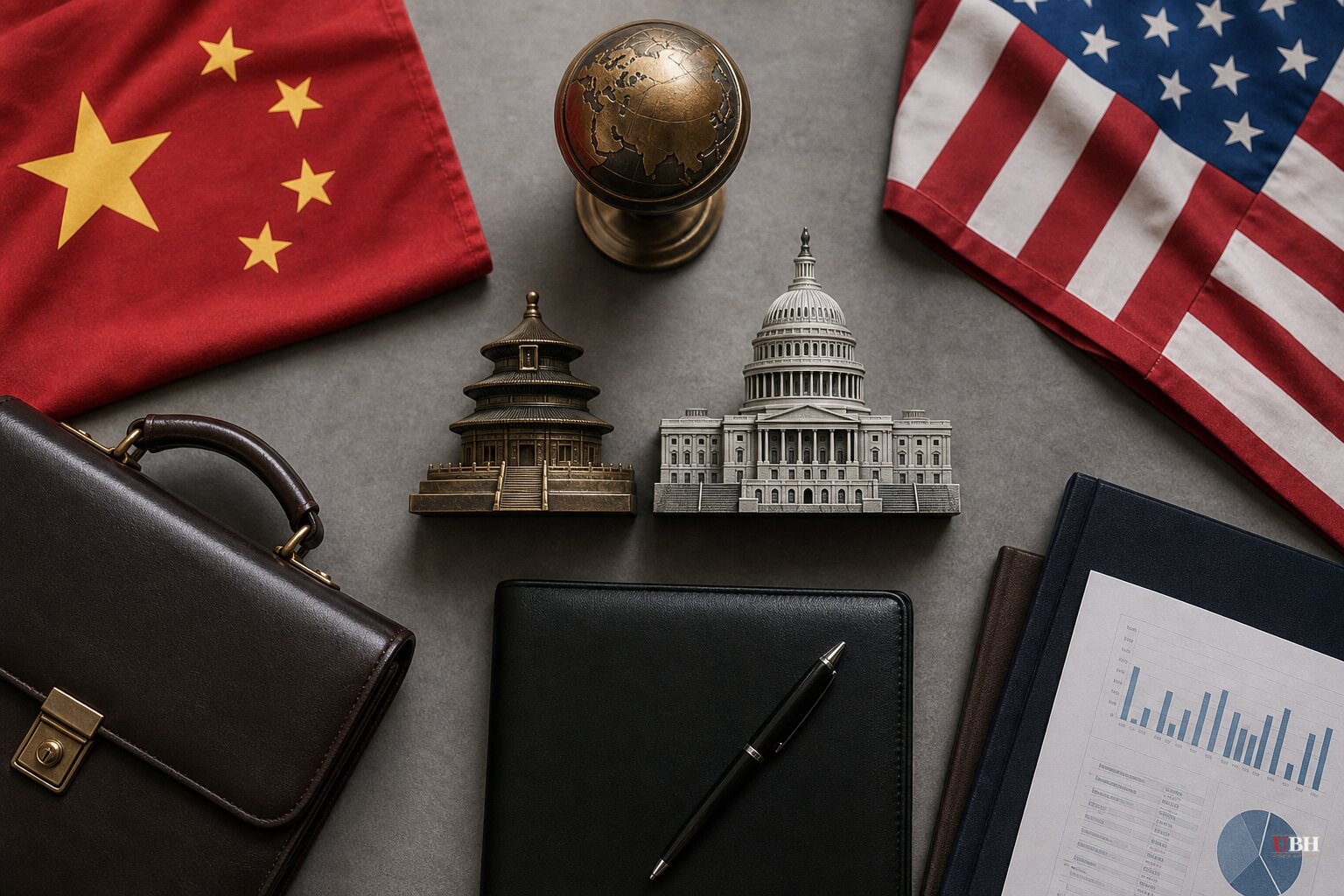
Since Washington and Beijing struck an annual trade truce in Busan last October, the two governments have been negotiating toward a face-to-face between Donald Trump and Xi Jinping. That meeting is now set for September 24 in Washington, and the new detail emerging this week is who Xi plans to bring with him.
Xi is preparing to bring a large delegation of Chinese corporate executives to the summit, according to two sources familiar with the discussions cited by Reuters. The move is unusual. Xi has rarely traveled abroad with business leaders since Beijing's regulatory crackdowns on the technology, education and property sectors began in 2020, crackdowns that pushed several prominent private-sector figures out of favor with the Communist Party.
The last time Xi brought a sizeable business contingent to the U.S. was in 2015. That delegation included Alibaba founder Jack Ma, Tencent founder Pony Ma, and executives from Chinese state banks and state-owned companies. During that trip China signed a $38 billion agreement to buy 300 Boeing aircraft, and Xi met with American tech leaders including Apple's Tim Cook, Meta's Mark Zuckerberg and Amazon's Jeff Bezos.
One source told Reuters the delegation is meant in part to signal Beijing's willingness to keep investment and commercial ties with the U.S. alive, and to hand the Trump administration some economic wins ahead of the November midterms.
The White House's response has been oddly noncommittal. "The White House is not tracking a Chinese CEO delegation," a U.S. official told Reuters, without explaining what "tracking" meant in this context. The Treasury Department declined to comment. The Office of the U.S. Trade Representative, the State Department, and China's Ministry of Commerce did not respond to Reuters' requests for comment.
Trump has traveled to China with large American business delegations twice, in 2017 and again in May of this year. The May trip included 18 U.S. executives, among them Nvidia CEO Jensen Huang and Elon Musk, according to sources cited by Reuters, Channel NewsAsia, Outlook India and other outlets. Xi doing the reverse, and doing it now, is a departure from the posture Beijing has kept since 2020, when it moved to rein in the same class of entrepreneurs it now wants standing next to its president in Washington.
Scott Kennedy, a China business expert at the Center for Strategic and International Studies, told Reuters he expects Beijing to be more deliberate this time about the role these executives play. "My sense is that the Chinese are going to be more intentional about the role of these business people in having them join the delegation," Kennedy said, adding that their participation could prove "really valuable."
The scrutiny facing Chinese companies in the U.S. hasn't eased. Washington has a 100% tariff on imported Chinese electric vehicles, has banned imports of foreign drones, routers and robots, and forced the divestiture of TikTok's U.S. operations. Major Chinese tech firms remain on the Commerce Department's Entity List and a Pentagon blacklist. A reasonable skeptic could look at that list and conclude a CEO photo-op changes nothing on the substance.
U.S. Trade Representative Jamieson Greer said Thursday both countries will make "some announcements on agriculture and non-tariff barriers" at the summit, according to Ground News. Officials are discussing reciprocal tariff reductions covering roughly $30 billion in products. Beijing and Washington also haven't agreed on which goods qualify as "non-sensitive" under the bilateral Trade Council framework: they're debating around 10 categories, and one source told Reuters that list could still change before September 24.
Sources across the reporting, including Reuters and the accounts carried by India Today and Outlook India, describe expectations for a major breakthrough as modest. The Board of Investment mechanism the two countries set up in May is unlikely to produce significant deliverables at the summit, three sources told Reuters, given the difficult climate for Chinese investment in the U.S.
Prediction markets, as flagged by Crypto Briefing, are apparently pricing in a "successful" visit before year's end.
Neither Reuters nor any other source in this reporting has identified which Chinese executives will actually join the delegation. That list, along with the final roster of "non-sensitive" goods categories, remains unresolved with less than three weeks to go before Xi's scheduled arrival in Washington.
Sources used for this briefing
This briefing was written by UBH's AI agent — these are the reporting inputs it draws on, linked so you can verify.


