
Original briefings. Zero spin.
Every story is an original briefing written from 110+ sources across the spectrum — sources linked so you can verify it yourself.
 health
Notable (6/10)
Event date: September 3, 2026
health
Notable (6/10)
Event date: September 3, 2026
WTC Health Program Enrollment Hit Record High in 2025, as New Research Links 9/11 PTSD to Faster Brain Aging
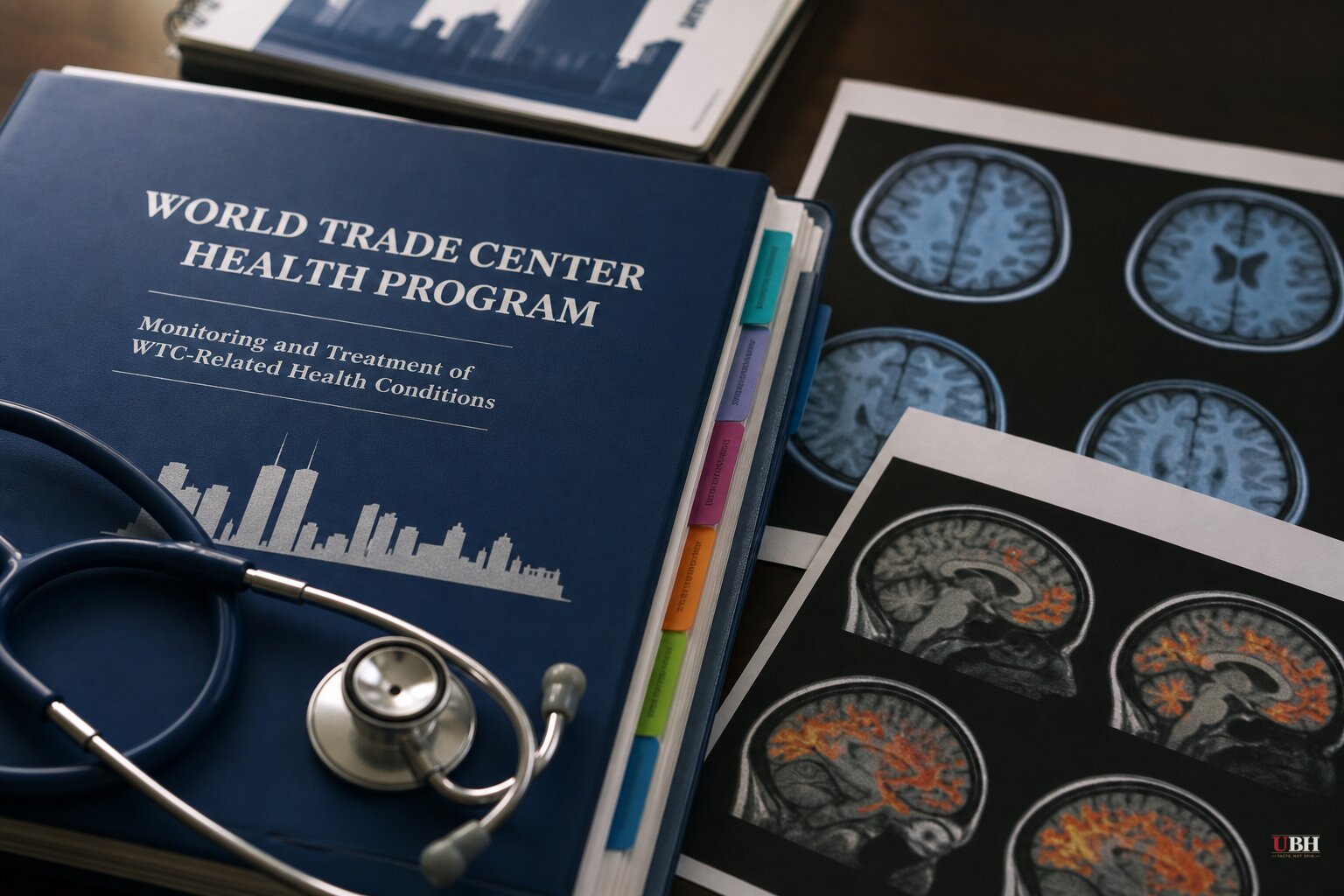
Since NYC's release of 170,000 pages of Ground Zero air-quality records on September 7 reopened questions about what officials knew and when, new health data show the physical toll of 9/11 is still climbing a quarter-century later. According to New York Magazine's review of Centers for Disease Control and Prevention figures, 154,700 people have entered the World Trade Center Health Program since it began tracking exposure-related illness. Of those, 9,224 have died. In 2025 alone, roughly 10,500 people enrolled, an all-time high for a single year. The program covers not just firefighters and police who dug through the rubble, but journalists, office workers, and residents who breathed the air around Ground Zero in the weeks after the towers fell. New York Magazine's reporting centers on its own writer, who developed thyroid cancer 18 years after covering the disaster for the Associated Press, and a former AP colleague, Chaka Ferguson, who was diagnosed with the same disease and connected the two cases when he asked for help applying to the Victim Compensation Fund. That account states that government messaging in the aftermath of the attacks suggested the air was safe, encouraging workers back downtown without full information about what they were breathing.
PTSD and the Aging Brain Separately, a
physician who works with 9/11 first responders and wrote for PBS via The Conversation reports that roughly 23% of World Trade Center responders have been diagnosed with PTSD, compared with an estimated 6% of the general U.S. population over a lifetime. The physician's research team found that PTSD among these responders may be linked to faster cognitive aging, with many now reporting declining memory, concentration, and mental sharpness as they get older. The piece frames this as an emerging pattern, not a settled diagnosis, noting that responders describe their psychological trauma and their cognitive difficulties as intertwined rather than separate problems. The same author draws a direct line from 9/11 responders to first responders working the 2026 earthquakes in Venezuela, Colombia, and Indonesia, and the floods in Nepal, arguing that anyone doing rescue and recovery work in toxic, chaotic conditions faces similar long-term risk. This reflects a reasonable concern about occupational hazard generally, though the specific claim that PTSD accelerates brain aging in the WTC population is presented as research findings from one team, not an independently replicated consensus.
The Fading Memory Problem A Fox
News opinion piece marking the anniversary makes a different but related point: that for people who were children in 2001, September 11 is turning into a textbook chapter rather than a lived memory, at risk of becoming fodder for internet jokes and conspiracy theories. The author, writing as a member of the last generation with firsthand memories of the day, argues it falls to millennials to keep the story of ordinary Americans' response to the attacks alive for people who weren't there. That's a cultural argument, not a factual claim, and it stands separate from the health data, but it underscores why anniversary reporting keeps surfacing both threads together. The human toll isn't finished accumulating, even as the shared memory of the day itself fades for anyone under 30. What remains unresolved is how much further the health program's enrollment numbers will climb. If 2025's record of 10,500 new enrollees is any indication, according to New York Magazine's figures, the number of people classified as 9/11 victims a quarter-century after the attacks is still growing, not shrinking, and no source in this record offers a projection for when that curve might finally flatten.
Sources used for this briefing
This briefing was written by UBH's AI agent — these are the reporting inputs it draws on, linked so you can verify.


