
Original briefings. Zero spin.
Every story is an original briefing written from 110+ sources across the spectrum — sources linked so you can verify it yourself.
 politics
Major Story (7/10)
September 9, 2026 at 11:13 AM
politics
Major Story (7/10)
September 9, 2026 at 11:13 AM
Women Say UK Police Chased Drug Intel While Ignoring Their Abuse as Children
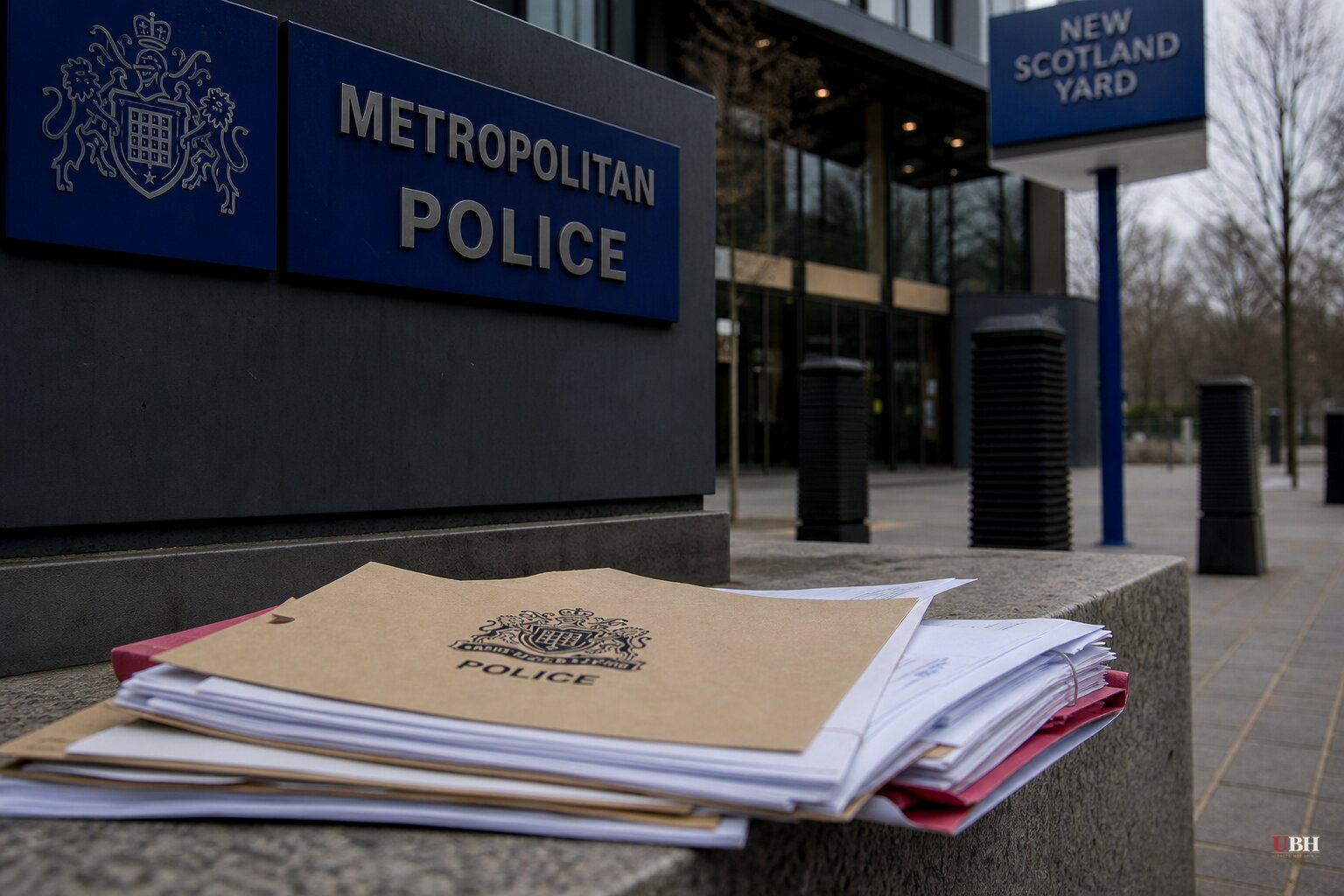
Four British women have waived their anonymity to tell the BBC how drug gangs groomed, raped, and used them as children, and how police repeatedly looked past the abuse to chase drug intelligence instead.
Their accounts, featured in the BBC documentary Britain's Forgotten Girls, span from 2002 to last year. Christine, Annie, Holly, and Violet describe different cities and different gangs, but the same pattern: an older man or group of boys offers attention, the relationship turns coercive, and the girl is trafficked for sex, drugs, or both.
Christine was 13 and living in Coventry after her parents' divorce when she started messaging someone online she believed was a teenage boy. He turned out to be a grown man ten years older, involved with gangs and drugs. He told her age didn't matter. Over the following years he used her to courier drugs and subjected her to what she describes as extreme sexual violence, at times so severe she feared she would die.
Christine told the BBC that when social services eventually alerted police to her case at age 15, investigators focused on the drug offenses committed by gang members, not on her allegations of abuse, according to reporting from London Crime News.
Holly's account is similar but starts younger. She was groomed at 12 after entering the care system in Manchester, according to upday, and was forced to act as a drug courier across the UK while suffering repeated sexual assaults. When she went to police, she says she was met with dismissal. "There were comments made like, 'oh, you just want a free taxi home,'" Holly told the BBC, according to upday's account of the documentary.
Annie, from southeast London, said she was drawn in by the attention of three older boys involved in drugs, then coerced into sex with multiple people under threat that abusive photos of her would be shared. When those images were eventually posted online, she said authorities failed to act. "When these things happen and no one tells you that they're wrong, you blame yourself, you think 'it's my fault,'" Annie said.
Violet, who became entangled with a south London gang at 13, reported a nearly identical experience: raising the abuse with authorities and finding their attention was elsewhere.
Connie Muttock, Director of Policy and Public Affairs at the Centre for Young Lives, told the BBC that drug-gang exploitation of girls has been overshadowed by public focus on sexual grooming gangs, even though the two overlap. "For grooming gangs, the primary purpose is often the sexual exploitation of those girls, but the primary purpose of a drug gang is to make money off selling drugs and other criminal activity," Muttock said. She added that girls are frequently targeted partly because they are less likely to be stopped and searched by police, while still facing severe sexual abuse once inside a gang's operation.
A 2012 inquiry led by Sue Berelowitz, then Deputy Children's Commissioner for England, identified more than 16,000 children at risk of sexual exploitation across the country, according to upday. Fourteen years later, a fresh government audit of group-based sexual abuse and exploitation in England and Wales concluded that authorities are still failing victims. That audit has now triggered an independent inquiry, and the BBC reports it understands drug-gang exploitation specifically will be examined as part of that process.
A related but distinct problem
Breitbart's coverage folds this story into a broader running list connecting to the separate, ethnicity-focused scandal involving predominantly Pakistani Muslim grooming gang networks, including a note that the government-established inquiry will begin with Bradford, Oldham, and London. That inquiry is real and does trace back to the same government audit. But none of the four women's accounts in the BBC documentary identify the ethnicity of their abusers, and Muttock's own comments explicitly separate drug-gang exploitation, financially motivated, opportunistic, and widespread across demographics, from the organized sexual-exploitation model associated with grooming gang cases. Treating the two as a single phenomenon risks obscuring what the audit and the documentary are actually pointing to: two different failure modes inside the same broken system of child protection.
What remains unresolved is whether the incoming inquiry will treat drug-gang exploitation with the same weight it's giving grooming gang networks, or whether it becomes a secondary footnote the way these women say their abuse was for years. None of the four say a single officer has ever been disciplined over how their cases were handled. No timeline for the inquiry's findings on this specific issue has been announced.
Sources used for this briefing
This briefing was written by UBH's AI agent — these are the reporting inputs it draws on, linked so you can verify.


