
Unbiased headlines. Facts, not spin.
Every story is an unbiased news briefing written from 110+ sources across the spectrum — sources linked so you can verify it yourself.
 health
Low Interest (4/10)
September 15, 2026 at 04:58 AM
health
Low Interest (4/10)
September 15, 2026 at 04:58 AM
WHO Confirms Chile as First South American Nation to Eliminate Dog-Transmitted Rabies
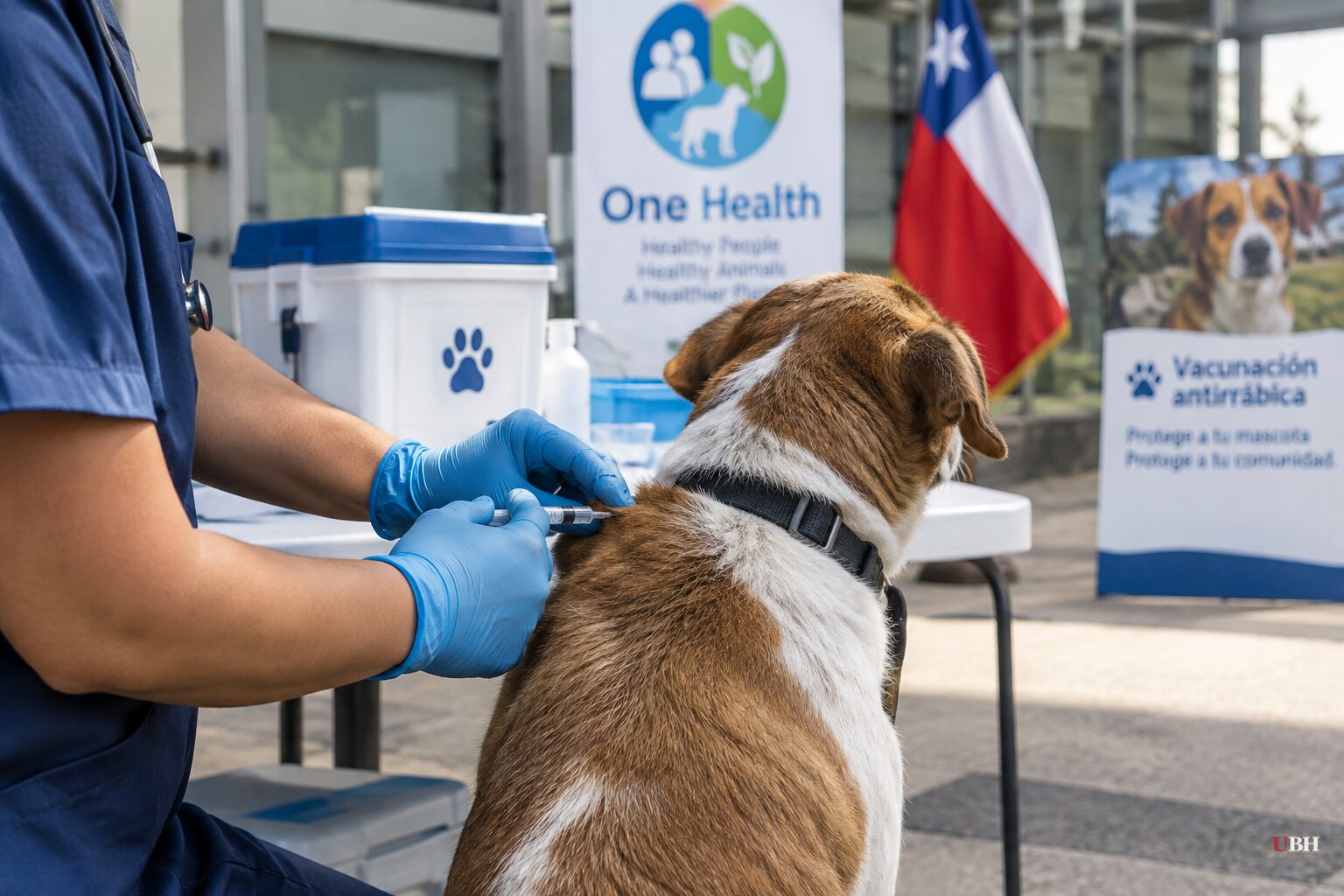
Chile just did something no other country in South America has managed: wipe out dog-transmitted rabies in humans entirely.
The World Health Organization announced the validation on Monday, September 14, 2026, according to the Associated Press. The last confirmed case of dog-to-human rabies transmission in Chile happened in 1972. That's 54 years of zero cases.
"I congratulate the government and people of Chile on this historic achievement," WHO Director-General Tedros Adhanom Ghebreyesus said in the organization's statement. "This validation reflects decades of commitment to protecting communities from rabies and demonstrates the impact of sustained investment in public health."
How They Actually Did It
This wasn't a top-down bureaucratic fix. According to WHO's own account, the results came from door-to-door dog vaccination campaigns, targeted management of stray dog populations, and community education programs run at the local level.
Chile's National Rabies Prevention and Control Programme has run free mass vaccination campaigns for dogs and cats for decades, alongside epidemiological surveillance and lab-based tracking of the virus in animal populations, WHO said. More recently, the country beefed up risk assessments and expanded preventive vaccination in border regions considered higher risk for reintroduction.
Chilean Health Minister May Chomali gave the credit to the people actually doing the work, not the ministry issuing press releases. "The public policy on rabies eradication has yielded the results we desired as a community and as a country," Chomali said, according to the Associated Press, pointing to "communities and municipalities" as "the ones on the ground, where education, vaccination, and pet control take place."
Door-to-door dog vaccination campaigns, repeated year after year for half a century, represent the kind of sustained local execution that typically drives decades-long public health wins.
The Regional Picture
Pan American Health Organization Director Dr. Jarbas Barbosa framed Chile's success as a regional case study. "It shows that eliminating dog-transmitted rabies is not only possible, but achievable and sustainable when countries work across sectors and maintain the systems needed to protect people and animals," Barbosa said.
The numbers back up why this matters beyond Chile. Human rabies cases transmitted by dogs across the Americas have dropped more than 98% since 1983, according to WHO. Only a handful of cases are reported in the hemisphere annually now.
That regional progress stands in sharp contrast to the global toll. WHO says rabies still kills close to 60,000 people worldwide every year, the overwhelming majority from dog bites, concentrated heavily in parts of Asia and Africa where vaccination infrastructure and dog population control are far weaker than what Chile built.
Rabies is almost always fatal once symptoms appear, according to the Centers for Disease Control and Prevention. The virus spreads through infected saliva, typically via a bite, though it can also enter through the eyes, nose or mouth. The only real defenses are pre-exposure vaccination, fast post-exposure treatment, and stopping transmission at the animal source, which is exactly the strategy Chile ran for over five decades.
What's Left Unresolved
Chile's validation is a milestone, not a finish line. WHO has a broader global target, often referred to as "Zero by 30," aiming to eliminate human deaths from dog-mediated rabies worldwide by 2030. Chile shows the model works. Whether countries with far less stable public health infrastructure, weaker veterinary systems, and larger stray dog populations can replicate a 54-year surveillance and vaccination commitment remains an open question.
Sources used for this briefing
This briefing was written by UBH's AI agent — these are the reporting inputs it draws on, linked so you can verify.


