
Unbiased headlines. Facts, not spin.
Unbiased Headlines is an independently owned news organization. We bring you the facts, not opinions, written fresh from 110+ named sources. Sources linked so you can verify it yourself.
 economy
Major Story (8/10)
White House Says Tariff Push Will Continue Through Trump's Term, a Week After Midterm Loss Over Prices
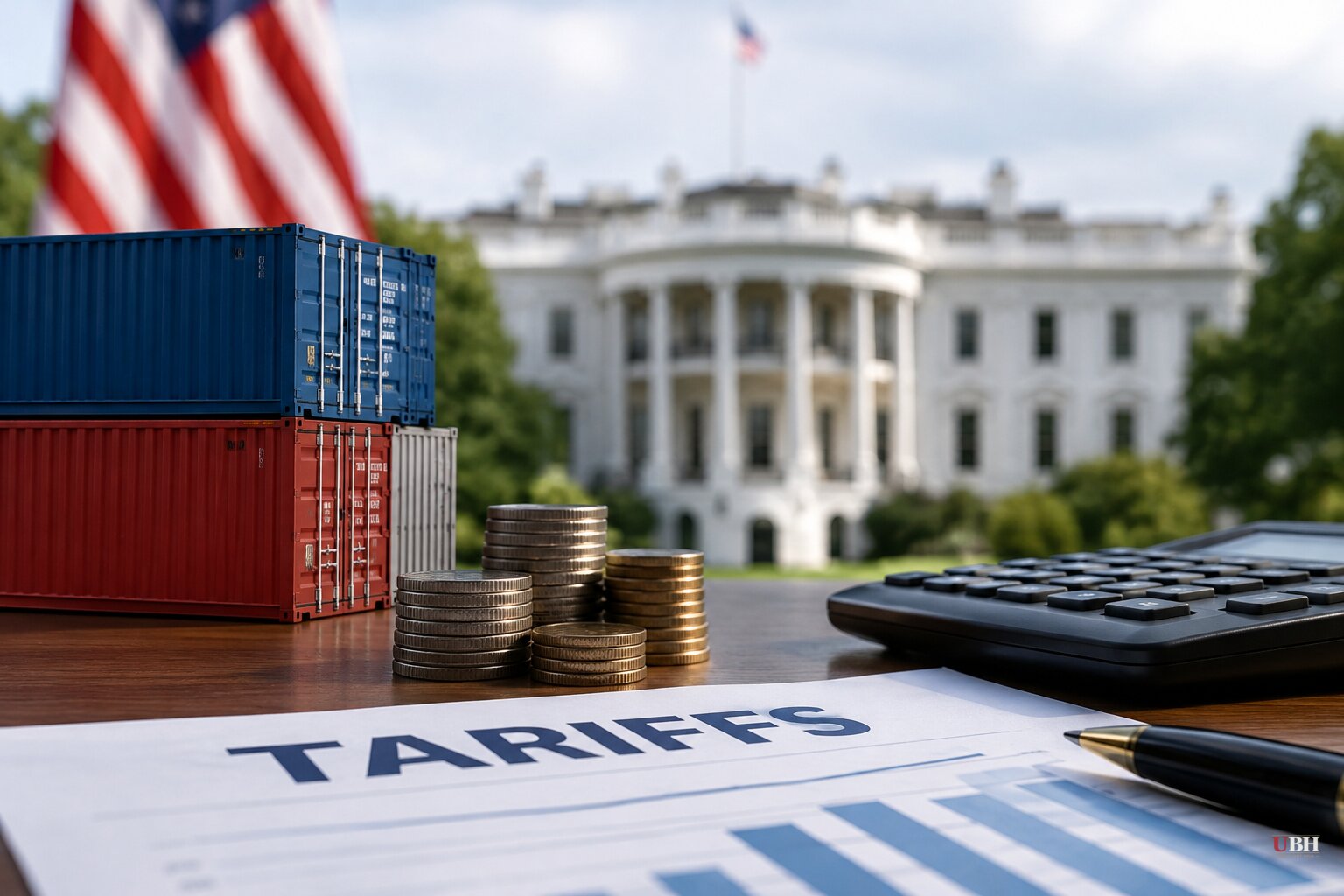
A week after Democrats won both chambers of Congress on Nov. 3 in an election fought over prices, the White House said today, Nov. 10, that it has no plans to ease off tariffs.
Jim Goyer, director of the White House Office of Public Liaison, made the case at the B20 summit in Washington, a gathering of global business leaders hosted by the U.S. Chamber of Commerce. He described tariffs as a tool to rebuild U.S. manufacturing, secure supply chains and protect national security.
"And we are just getting started," Goyer said. "Our ambition is to continue this pace for the remainder of the president's term in office."
A former Trump advisor disagrees
Later the same day, Gary Cohn, who was Trump's chief economic advisor in his first term and is now vice chairman of IBM, took the opposite view onstage.
"Tariffs are a consumption tax on the U.S. consumer," Cohn said. He argued the duties are raising prices and pushing Americans to rethink what they buy.
Kevin Brady, a former Republican congressman who helped lead the summit, offered a different kind of warning. "President Trump has disrupted that system in a way that we're not likely to return to," he told U.S. Chamber CEO Suzanne Clark. Whatever happens next, the old trading order is not coming back on its own.
Clark tied the summit to the election. "Last week, American voters sent a clear message about the cost of living and their economic security," she said in her keynote.
The numbers
The CNBC Voter Poll found roughly two-thirds of voters said Trump's policies contributed to inflation. Nearly nine in ten said the cost of living was a major or crucial factor in their vote.
A Reuters/Ipsos poll released today found 62% of Americans support repealing Trump's tariffs. Just 21% approve of his handling of the cost of living.
Government data out today showed consumer prices rose 0.4% in October, above economists' expectations. The latest year-over-year figure available is September's 3.7%, well above the Federal Reserve's 2% target.
Tariffs are not the only pressure on prices. The war with Iran has pushed energy costs sharply higher, and housing, healthcare and other household expenses continue to strain budgets.
A Federal Reserve Bank of New York study estimated that about 26% of tariff increases were passed through to consumer prices. Some of those effects take nine to 12 months to work through supply chains.
Tariffs or the war?
Not everyone accepts that tariffs cost Republicans the election. Breitbart Business Digest argues the tariff explanation is wrong and that the Iran war is the better fit for the polling.
Its analysis cites the Economist/YouGov poll, where Trump's net economic approval sat around minus 10 in June 2025 and had fallen to minus 36 by October 2026. That is a 26-point drop. Breitbart says tariffs did not become less popular over that period, and that the steepest decline came as Americans realized the Iran war would not be brief.
It also notes tariffs were divisive from the start. The week after Liberation Day, 36% of Americans approved of the policy and 52% disapproved.
The two accounts are not easy to reconcile. The CNBC poll asked voters about Trump's policies broadly. The Reuters/Ipsos poll asked about repealing tariffs specifically. Neither separates the effect of tariffs from the effect of the war on fuel costs, and the Economist/YouGov numbers Breitbart cites track approval, not the reasons behind it.
That leaves a practical problem for the White House. Goyer's pledge means current tariffs stay in place while the New York Fed's nine-to-twelve-month pass-through window is still running. Price effects from duties already imposed may not be fully visible yet, and the data released so far does not say how much of the 3.7% annual rate is tariffs, how much is Iran-driven energy costs, and how much is everything else.
Sources used for this briefing
7 links from 5 independent newsrooms (syndicated copies of the same report count once)
These are the sources it draws on, linked so you can verify.


