
Original briefings. Zero spin.
Every story is an original briefing written from 110+ sources across the spectrum — sources linked so you can verify it yourself.
 health
Notable (6/10)
August 10, 2026 at 05:02 PM
health
Notable (6/10)
August 10, 2026 at 05:02 PM
West Virginia Fire Commission Never Wrote The Prevention Plan State Law Required Since 1976
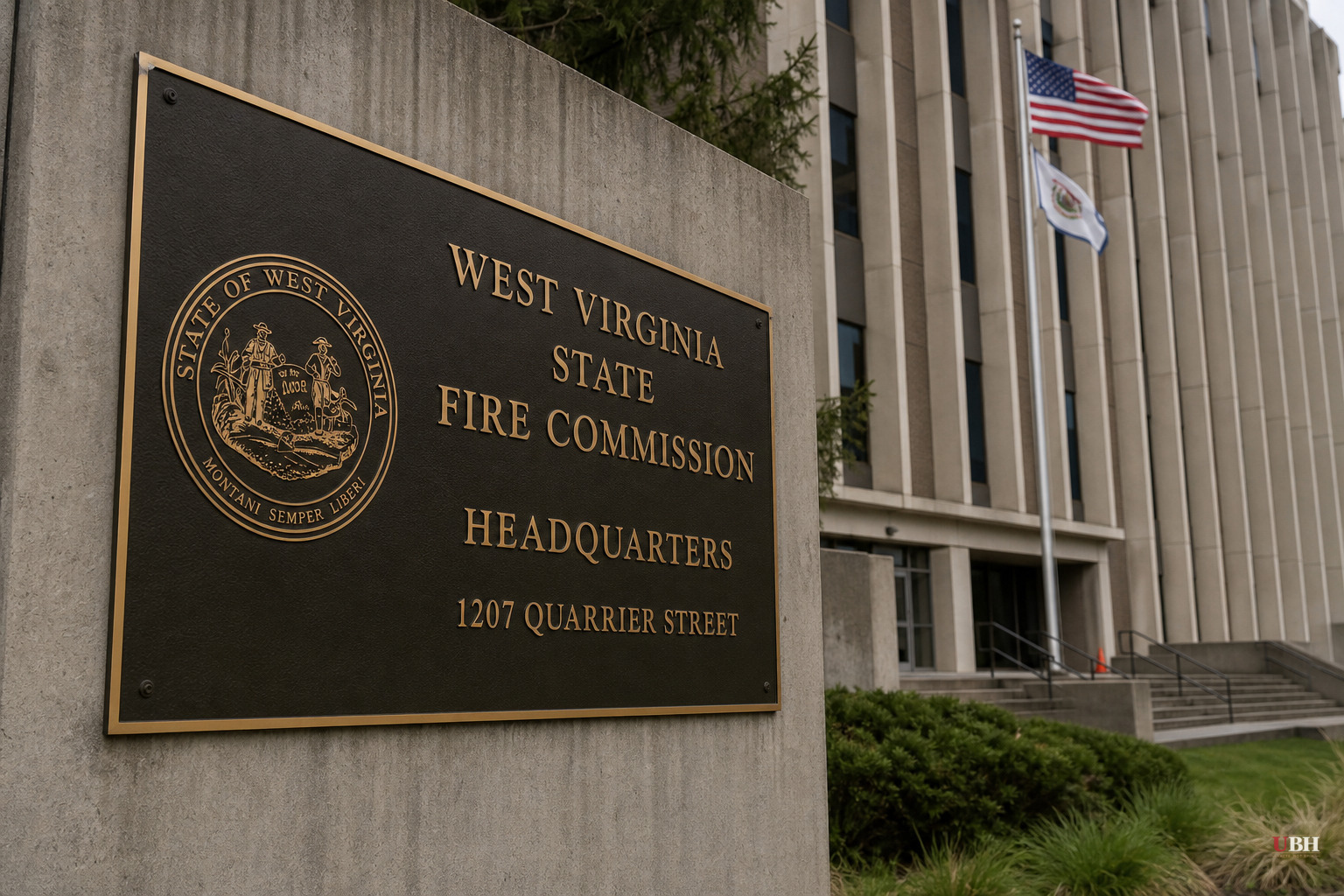
West Virginia has been near the top of the national rankings for fire deaths for decades. Not a good list to top.
Between 2009 and 2023, an average of 32 West Virginians died in fires every year, according to Mountain State Spotlight. In 21 of the years between 2000 and 2023, the state ranked in the top 10 nationally for fire deaths, at roughly double the national average.
The State Fire Commission was created in 1976 with a specific legal mandate: write a comprehensive plan for fire prevention and control. That plan is supposed to cover manpower needs, training center locations, water source access, and public education efforts.
Fifty years later, that plan still doesn't exist.
A state audit released in December 2025 found the commission never produced it, according to Mountain State Spotlight. Testifying before a Government Organization Committee that same month, State Fire Marshal Ken Tyree Jr. admitted he didn't even know his agency was supposed to have written one until the audit flagged it.
Auditors caught the same failure back in 2000, when the Legislative Auditor's Office found West Virginia among the deadliest states in the country for fire deaths and noted the commission had no comprehensive plan, barely used its own public information officer, and did almost no public education outside Kanawha County, where it's headquartered.
The fire marshal at the time, Sterling Lewis Jr., wrote a one-word response to the finding: "Agreed."
Between 2000 and 2003, 150 West Virginians died in residential fires. Auditors checked in again in 2004 and found the same public information officer still had other duties eating into her time, and recommended the commission use statistical analysis to actually target the problem.
That recommendation didn't take hold either. Two decades later, the same failure showed up in the 2025 audit.
Tyree told lawmakers his office is now drafting the plan and expects to finish it in the fall of 2026. If it's completed, it will be the first comprehensive fire prevention plan the commission has ever produced since its creation.
Tyree's response to the audit sounds like an acknowledgment that the system was broken, not an excuse. "Current leadership of the State Fire Commission and State Fire Marshal's Office recognize that a fragmented approach is unacceptable," he said. "In the past, policy elements existed across several agency documents, manuals, and regional programs."
That's a fair description of what auditors found: pieces of a plan scattered across paperwork, never assembled into the single document state law actually required.
The 2000 audit also identified why West Virginia's fire deaths run so high compared to other states: poverty driving reliance on alternative heat sources like space heaters, high smoking rates, an older population, and a large number of aging homes and manufactured homes. Those same underlying conditions haven't gone away in the 25 years since.
None of this means the commission was acting in bad faith or that anyone broke the law in a criminal sense. No charges or formal misconduct findings appear in the audit record. What's documented is bureaucratic failure sustained across multiple administrations, multiple fire marshals, and five decades, despite two separate audits flagging the exact same missing plan.
AP News picked up the story but didn't add reporting beyond what Mountain State Spotlight, the West Virginia outlet that has tracked this issue closely, had already documented.
The open question is whether a plan finished in the fall of 2026, fifty years late, actually changes anything on the ground. A document sitting in a drawer doesn't stop fires. What matters is whether the state follows through on training center placement, water source access in rural counties, and public education campaigns aimed at the poverty and heating-related causes auditors identified a quarter century ago.
West Virginia lawmakers now have a fire marshal on record, in testimony, promising a specific delivery date. That's a paper trail the legislature and future auditors can hold him to, in a way the previous fifty years apparently never did.
Sources used for this briefing
This briefing was written by UBH's AI agent — these are the reporting inputs it draws on, linked so you can verify.


