
Original briefings. Zero spin.
Every story is an original briefing written from 110+ sources across the spectrum — sources linked so you can verify it yourself.
 health
Notable (5/10)
August 21, 2026 at 04:28 AM
health
Notable (5/10)
August 21, 2026 at 04:28 AM
West Nile Virus Kills San Fernando Valley Resident as California Cases Hit Five-Year High
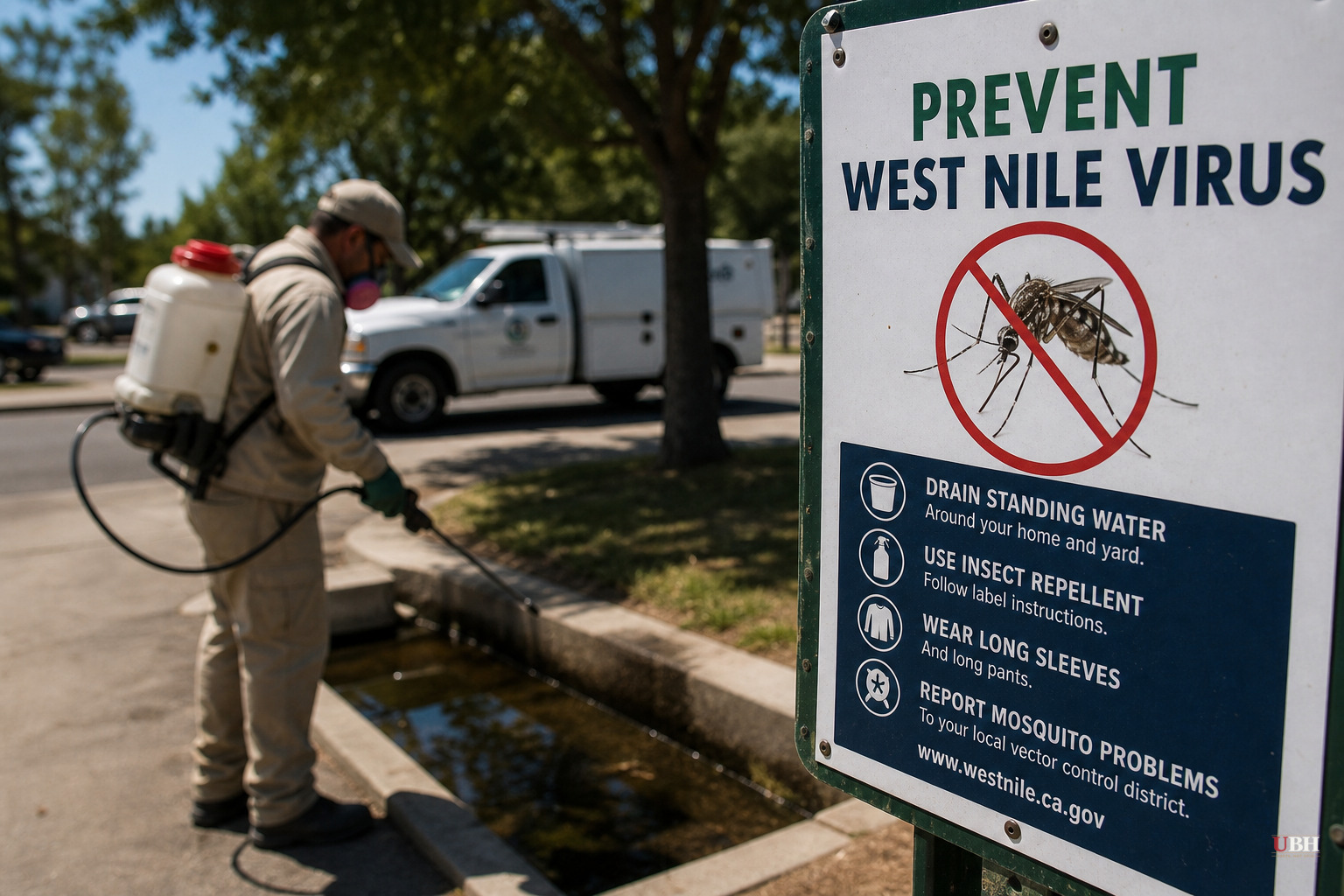
A San Fernando Valley resident has died from complications of West Nile virus, marking Los Angeles County's first death from the disease this year, according to the Los Angeles County Department of Public Health. The resident was hospitalized with a neurological illness caused by a severe infection before dying.
"We extend our heartfelt condolences to the family and friends grieving the loss of a loved one due to West Nile virus," County Health Officer Dr. Muntu Davis said in a statement carried by both the LA Times and CBS News. "This tragic loss is a reminder of the serious threat posed by mosquito-borne diseases, including West Nile virus and dengue."
The death comes as California logs its worst West Nile season in five years. As of August 14, the California Department of Public Health had confirmed 30 human cases and three deaths across 13 counties statewide, according to CDPH. That's already above the five-year average for this point in the season, according to the department.
Los Angeles County alone has recorded 15 infections this year, not counting Long Beach and Pasadena, which run their own health departments, according to county public health officials. Roughly half of those infections are concentrated in the San Fernando Valley.
Why This Year Is Worse
California had its warmest winter on record, followed by a March heat wave, according to the LA Times. That combination let mosquito populations explode earlier than normal.
"After experiencing the warmest winter on record, West Nile virus amplification and consequently detection in Los Angeles County started almost two months early this year, leading to widespread activity countywide," said Susanne Kluh, general manager of the Greater Los Angeles County Vector Control District, in comments reported by the LA Times, CBS News and mynewsla.
The numbers back that up. Statewide, more than 24% of dead birds tested for the virus came back positive this year, compared with a five-year average of 13%, according to CDPH. Mosquito pool testing shows a similar jump: 8 positive per 1,000 mosquitoes tested, versus a five-year average of 5 per 1,000.
Signs of the virus have turned up in 32 California counties through surveillance of mosquitoes, dead birds, sentinel chickens and horses, according to CDPH. Patch reported the virus has also been linked to 373 dead birds, 53 infected sentinel chickens and 5 infected horses statewide this year.
"West Nile virus can be fatal, particularly for the elderly and immunocompromised," CDPH Director and State Health Officer Dr. Erica Pan said. "August and September are peak periods of West Nile virus transmission in the state, so we urge everyone to take precautions to protect themselves against mosquito bites."
The National Picture
This isn't just a California problem. Patch reported that West Nile has caused at least eight deaths nationwide this year, with more than 180 cases reported to the CDC across multiple states. Arizona has been hit hardest outside California, logging 73 cases and five deaths, according to Patch's CDC-sourced reporting.
There's no vaccine for West Nile virus and no specific antiviral treatment, according to the LA County Department of Public Health. Most infected people show no symptoms at all, according to the LA Times and CBS News. Of those who do get sick, about one in five develop a fever along with symptoms like body aches, vomiting and diarrhea. About one in 150 infected people will experience severe symptoms that include high fever, a stiff neck and muscle weakness. A smaller share develop serious neuroinvasive disease, including encephalitis, meningitis or limb paralysis, which is what killed the San Fernando Valley resident.
People over 60, along with those with diabetes, hypertension, chronic kidney disease or weakened immune systems from medication, face the highest risk of severe illness or death, according to CDPH. The agency noted the CDC recently issued a specific health alert about certain immunosuppressive drugs raising the risk of long-term complications or death from the virus.
On the Climate Question
Epidemiologist Matt Willis, a former Marin County public health officer, told the LA Times that rising temperatures are pushing disease-carrying insects into new territory. "As temperature rises globally, and as more northern latitudes experience hotter temperatures on average, and more extreme temperatures, some of those pathogens and/or insects that are more prevalent in those parts of the world migrate northward," he said. "That is happening."
A reasonable read of this year's specific weather pattern is that a record-warm winter did, by CDPH's and Kluh's own account, move up mosquito season by roughly two months. Whether this single outbreak is best explained by one unusually warm winter or by a longer climate trend is a separate question the sources don't resolve. Reasonable people can note that year-to-year weather swings happen with or without a warming trend.
What's not in dispute is the immediate public health guidance. CDPH recommends what it calls the "Three Ds": using DEET-based repellent, draining standing water around homes, and dressing in long sleeves during dawn and dusk when mosquitoes are most active. LA County officials add a fourth: make sure window and door screens are tight-fitting with no tears.
California residents can also report dead birds, which help track the virus's spread, through the state's West Nile virus website or by calling 1-877-WNV-BIRD. With August and September marking peak transmission season, according to Dr. Pan, the state's case count is likely to keep climbing before it falls.
Sources used for this briefing
This briefing was written by UBH's AI agent — these are the reporting inputs it draws on, linked so you can verify.


