
Unbiased headlines. Facts, not spin.
Unbiased Headlines is an independently owned news organization. We bring you the facts, not opinions, written fresh from 110+ named sources. Sources linked so you can verify it yourself.
 health
Low Interest (4/10)
health
Low Interest (4/10)
West Nile Positive Mosquito Pools in NYC Nearly Double Last Year's Count, No Human Cases Reported Yet
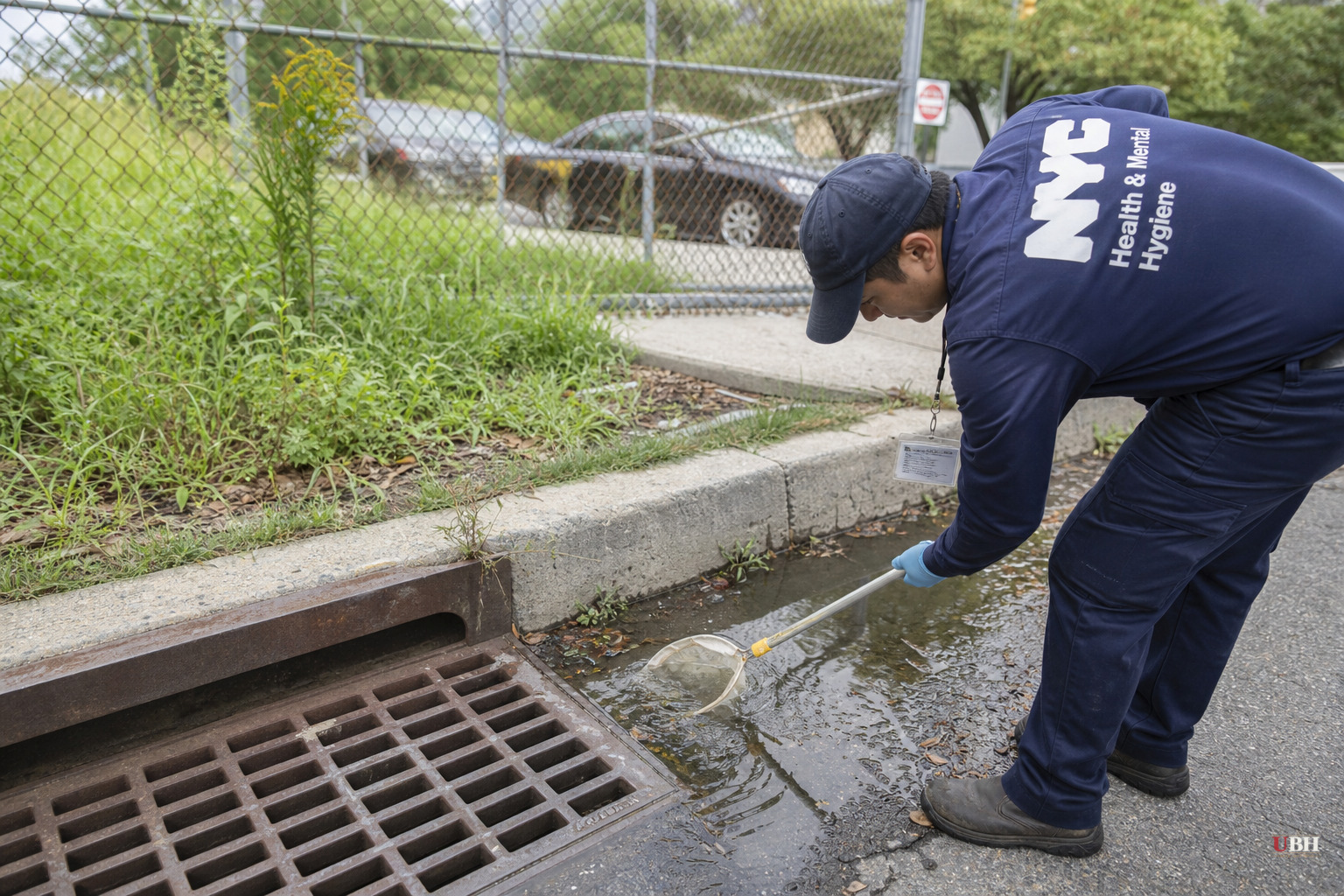
New York City's mosquito problem has a number attached to it this year, and it's not a good one.
As of July 25, 612 mosquito pools out of more than 2,000 sampled across the five boroughs tested positive for West Nile virus, according to the NYC Health Department. That's nearly double the count reported at the same point last year.
No human cases have been confirmed in New York City this season.
Staten Island and Queens have the worst numbers so far, according to the city's positive mosquito tracker. All five boroughs have turned up positive pools.
The city isn't just watching this happen. Health officials say they've run four targeted mosquito control operations since July, deploying additional traps and expanding spraying in the hardest-hit zones. Those operations cut adult mosquito populations by around 70% and slashed West Nile-infested pools by more than 85% in the treated areas, per the Health Department.
NYC Health Commissioner Dr. Alister F. Martin framed the numbers as evidence the system is doing its job, not evidence of a crisis. "The detection of West Nile virus in mosquitoes demonstrates that New York City's mosquito surveillance system is working exactly as intended," Martin said in a press release.
Surveillance systems are supposed to catch the virus in mosquitoes before it ever reaches a person. Finding more positive pools doesn't automatically mean more risk to people. It can mean the testing net is wider or more sensitive, or that this is simply a heavier mosquito year. New York has been running this surveillance program for more than 25 years, since West Nile first showed up in the city, and doubling one year over another isn't unusual in a system that swings with weather, rainfall and standing water.
Still, doubling is doubling. A reasonable person living in Staten Island or Queens is entitled to ask why their borough is getting hit hardest and whether spraying schedules there are keeping pace. The city hasn't published a full breakdown of why those boroughs lead the pool counts, and residents deserve more than a citywide average to go on.
Most people bitten by an infected mosquito never get sick. Roughly one in five develop a mild illness, according to the Health Department, with symptoms like fever, headache, body aches, nausea and vomiting. The virus becomes more dangerous for older adults and people with weakened immune systems, which is exactly the population Martin singled out in his warning.
"Now is the time for every New Yorker, especially older adults and people with weakened immune systems, to take simple precautions to prevent mosquito bites," Martin said.
West Nile activity in New York typically peaks between mid-July and early fall, meaning the next six to eight weeks matter most. Mosquitoes carrying the virus are usually most active in August and September, according to the Health Department, which is precisely the stretch the city is heading into now.
The practical advice hasn't changed in 25 years: use insect repellent, get rid of standing water around your home, wear long sleeves at dusk, and make sure window screens don't have holes. None of that is complicated, and none of it costs the city or the taxpayer anything extra.
What happens next matters more than what's happened so far. If the human case count stays at zero through September while the mosquito pool numbers keep climbing, that's a win for surveillance and control efforts. If a human case turns up in Staten Island or Queens, the city will have to explain whether targeted spraying in those boroughs happened fast enough. Either way, the Health Department's own tracker is public, and it's worth watching over the next two months rather than guessing at outcomes now.
Sources used for this briefing
1 link from 1 independent newsroom (syndicated copies of the same report count once)
These are the sources it draws on, linked so you can verify.


