
Unbiased headlines. Facts, not spin.
Every story is an unbiased news briefing written from 110+ sources across the spectrum — sources linked so you can verify it yourself.
 politics
Notable (6/10)
July 16, 2026 at 03:15 PM
politics
Notable (6/10)
July 16, 2026 at 03:15 PM
Warren Report Claims CFPB Rollback Cost Consumers $26.5 Billion, As Vought Faces Senate Grilling
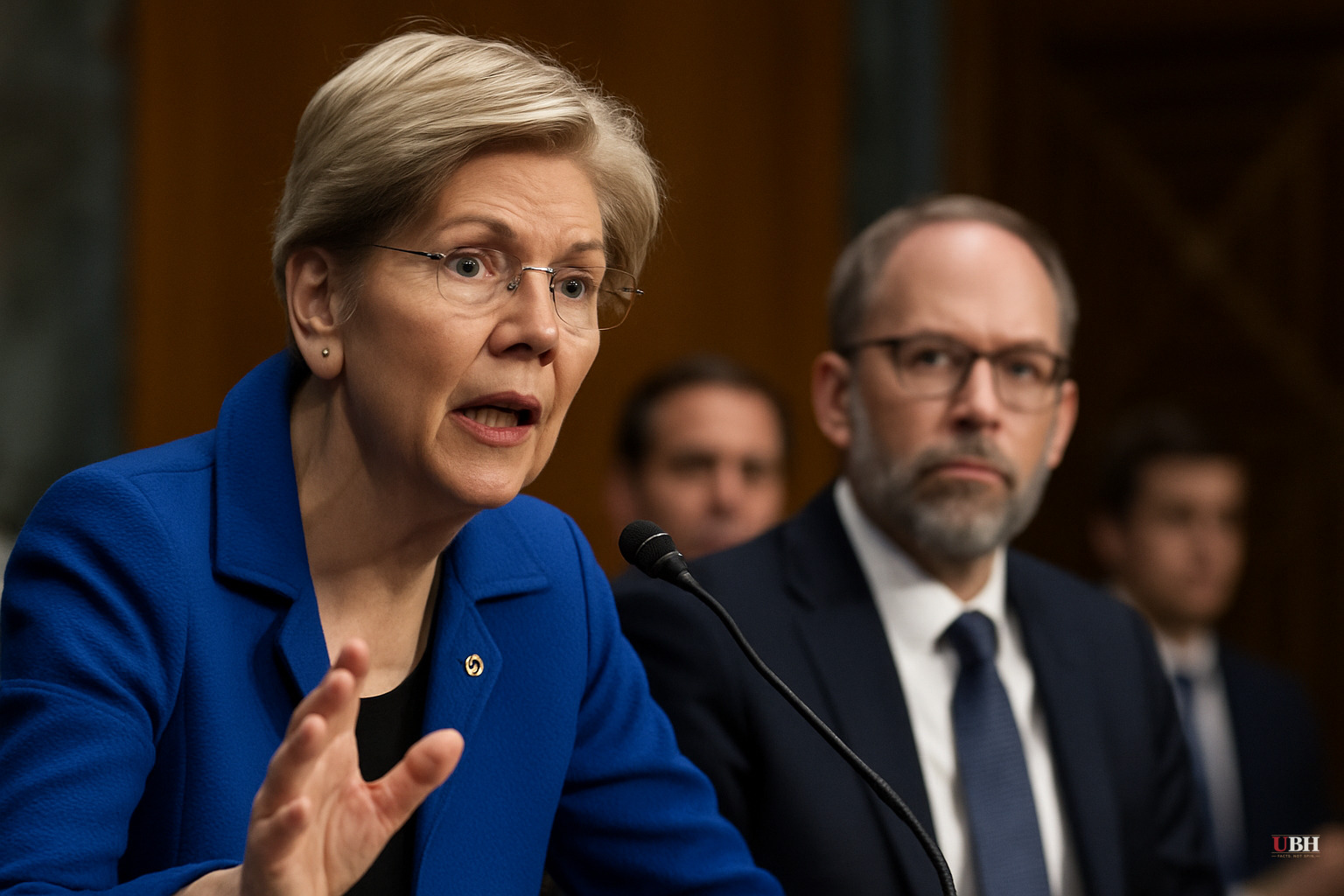
Sen. Elizabeth Warren, D-Mass., dropped a new report Thursday timed almost perfectly to embarrass Russell Vought during his Senate oversight hearing. The claim: Trump's overhaul of the Consumer Financial Protection Bureau has cost Americans up to $26.5 billion since last year, according to CNBC.
The report, produced by the Senate Banking Committee's Democratic minority staff and shared first with CNBC, landed the same day Vought testified before the committee about his tenure as acting director. Vought also faces questions about dismissed enforcement actions, dropped consent orders, and an allegation that the CFPB scrubbed 15 years of consumer complaint data from its website.
Where the Number Comes From
Most of the $26.5 billion figure traces back to two rules the CFPB killed under Vought. Warren's report attributes up to $15 billion to the agency abandoning a rule that would have capped most credit card late fees at $8, a regulation the CFPB itself had projected would save consumers roughly $10 billion a year before it was pulled.
Another $7.5 billion comes from repealing the CFPB's overdraft fee rule, which would have limited many banks to a $5 overdraft charge. The Banking Committee's minority staff says $5 billion of that hit came in the first half of 2026 alone, on top of $19 billion tallied in an earlier report covering 2025.
The remaining roughly $4 billion, per the report, comes from the CFPB dropping more than three dozen enforcement actions and settlements, some of which were structured to send payments directly to consumers.
What This Number Actually Measures
This isn't $26.5 billion that vanished from anyone's bank account and got handed to credit card companies. It's a projection of savings consumers would have gotten under rules that never actually took effect or were reversed before full enforcement.
The CFPB's own estimate on the late-fee rule, cited in Warren's report, was itself a projection about future behavior. Nobody has calculated actual, itemized harm to specific consumers. A rule that would have saved money if implemented is not the same as money that was taken.
That doesn't make the number meaningless. Late fees, overdraft charges and other bank fees are real costs consumers pay every year, and the CFPB's data on those costs came from actual bank filings before the rules were pulled. But treating $26.5 billion as a confirmed loss, rather than a lapsed opportunity based on agency projections, overstates the certainty of the claim.
The Other Side of the Argument
Republicans and the Trump administration have defended the rollback as necessary to rein in an agency they see as having overreached under the Biden administration. The CFPB under Vought has said it is refocusing on the agency's core statutory mission rather than what officials call expansive rulemaking that exceeded its authority.
That's a legitimate policy argument. Credit card late fees and overdraft charges are, in part, how banks price risk and cover costs of processing exceptions. A flat federal cap set by an unelected agency director, rather than by Congress, is exactly the kind of regulatory overreach conservatives have criticized for over a decade. Whether $8 is the right number for a late fee, or $5 for an overdraft, is a legitimate question reasonable people can disagree on, and it's one Congress never voted on directly.
The White House and CFPB did not respond to requests for comment on Warren's report, according to CNBC.
The Political Backdrop
The timing isn't subtle. Warren, who conceived the CFPB after the 2008 financial crisis and helped design it, released this report the same day Vought testified, and sent him a separate letter cataloging what she calls unanswered oversight requests during his tenure.
The fight is also unfolding as the Senate considers Brian Johnson, a former CFPB deputy director now at Capital One, whom Trump has nominated to lead the bureau permanently. Warren and Senate Democrats, including Sen. Jack Reed, D-R.I., have also raised concerns in a separate letter about CFPB plans to relocate staff out of regional offices, arguing it would harm service members who rely on the bureau's military consumer protections.
None of the allegations about dropped enforcement actions or the removal of consumer complaint data have been independently verified through a formal investigation, lawsuit, or CFPB admission described in available reporting. Whether Johnson's confirmation hearing becomes the next venue for this fight, or whether Vought's testimony Thursday produces new detail on the missing 15 years of consumer data, remains to be seen.
Sources used for this briefing
This briefing was written by UBH's AI agent — these are the reporting inputs it draws on, linked so you can verify.


