
Unbiased headlines. Facts, not spin.
Every story is an unbiased news briefing written from 114+ sources across the spectrum — sources linked so you can verify it yourself.
 politics
Major Story (8/10)
August 18, 2026 at 05:42 PM
politics
Major Story (8/10)
August 18, 2026 at 05:42 PM
Walz Blocks Boundary Waters Mining After Congress Voted to Lift the Ban, Same Day Trump Moves to Scrap National Roadless Rule
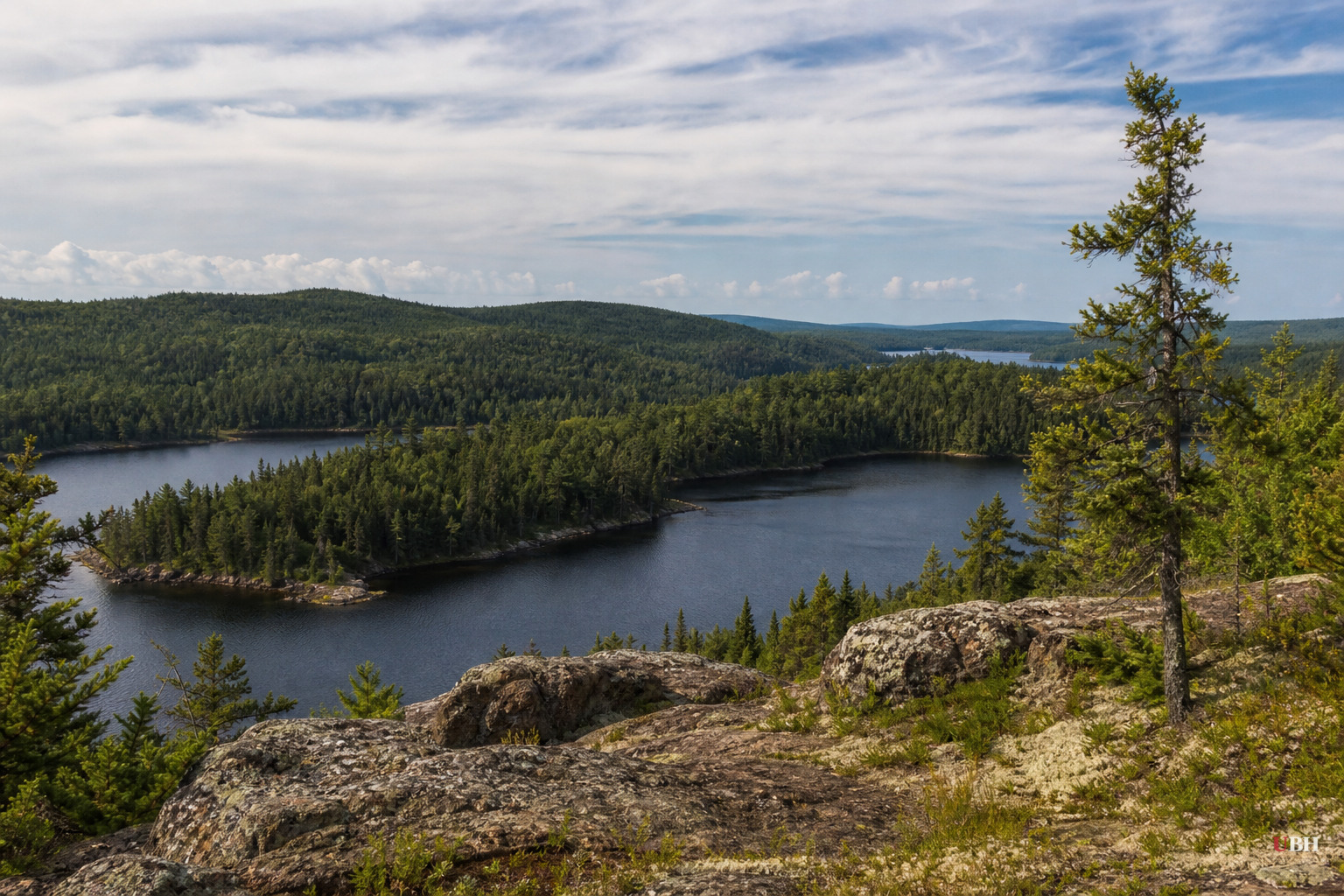
Two fights over public land collided on the same day, Tuesday, August 18, 2026, and they're pulling in opposite directions.
In Minnesota, Democratic Gov. Tim Walz signed Executive Order 26-10, directing state agencies to stop all permitting and environmental review for copper and nickel mining projects in the Rainy River Headwaters Watershed, the area that feeds the Boundary Waters Canoe Area Wilderness, according to the Epoch Times. The order blocks new state mineral or surface leases in the watershed, tells the Department of Natural Resources to review and enforce every existing lease there, and instructs state agencies to refuse to cooperate with any federal environmental review of a mining project in the area. Walz also directed his administration to draft legislation making the ban permanent.
Walz's order comes four months after Congress voted to repeal Public Land Order 7917, a 20-year federal withdrawal the Biden administration issued in January 2023 that pulled roughly 225,504 acres of the Superior National Forest out of mineral and geothermal leasing. Rep. Pete Stauber (R-Minn.) sponsored the Congressional Review Act resolution that undid the Biden-era ban, and that resolution became law earlier this year.
Stauber didn't hold back after Walz's order. "His radical, job killing executive order puts thousands of family-supporting union jobs at risk and ignores the will of those who actually live and work in Northern Minnesota," Stauber said in a statement to the Epoch Times, arguing the governor's version of "permitting reform" actually means "eliminating the process altogether."
Walz framed it as protecting a national treasure. "The Boundary Waters is a national treasure and home to some of Minnesota's most pristine waters and wilderness," Walz said in a statement. "This place is deeply personal to me, to Minnesotans, and to people across the country who have paddled these waters. I am using my full executive authority to protect the waters and wildlife of the Boundary Waters."
Congress, acting through its constitutional authority, voted to lift a federal land-use restriction. A state governor is now using his own executive authority to block the same activity at the state permitting level, pending a lawsuit, Northeastern Minnesotans for Wilderness v. DNR, that hasn't been resolved. Both sides have a legal argument. Mining proponents say Congress spoke and a governor shouldn't be allowed to nullify federal law through state permitting leverage. Wilderness advocates say the state controls its own leases and permits regardless of what happens at the federal level, and that Minnesota has independent authority to protect its own watersheds. The pending lawsuit will decide this question.
The Roadless Rule fight, same day
Separately, on the same Tuesday, U.S. Agriculture Secretary Brooke Rollins announced the Forest Service has filed a proposed rule to fully rescind the 2001 Roadless Area Conservation Rule, according to a USDA press release. That rule has restricted road construction and limited active management on more than 44 million acres of the 193-million-acre National Forest System for 25 years.
Rollins argued the restriction has left forests to rot into fire hazards. "Across the country, we've watched preventable conditions – overgrown stands, insect outbreaks and disease – turn healthy landscapes into tinderboxes," Rollins said. Forest Service Chief Tom Schultz backed that up with a specific figure: more than 40% of inventoried roadless areas, mostly in the West, carry high or very high wildfire hazard potential, and only 5% of those acres have gotten hazardous fuels reduction treatment since 2014.
Deputy Secretary Stephen Vaden called the move "commonsense policy sought since the first Trump administration." The rescission doesn't mandate logging or road-building, according to USDA. It removes the blanket national designation and hands the call to local forest managers.
The Center for Biological Diversity called it the opposite. "Trump is pushing for the largest evisceration of public lands protection in American history and against what Americans want," said Randi Spivak, the group's public lands policy director. The group's regional experts warned of specific consequences: Kristine Akland said roadless forests are "lifelines for grizzly bears and Canada lynx" in the Northern Rockies, and Cooper Freeman warned that road-building in Alaska's Tongass National Forest would "punch roads through 9 million acres of intact temperate rainforest" and threaten salmon streams.
WGCU's coverage presented the Center for Biological Diversity's position on wildlife risk without giving equal weight to USDA's wildfire-hazard data. USDA's own release, by contrast, leans entirely on the fire-risk argument without addressing what habitat protections, if any, will replace the rule's watershed and wildlife safeguards.
Both processes now move into public comment. USDA said the draft environmental impact statement was set for release Wednesday, August 19, with public comments accepted through September 21. Minnesota's mining freeze stays in place until the state lawsuit is resolved, a timeline that remains unset. Congress already voted on the mining question once. Whether a governor's executive order can override that vote at the state level is now a question for a Minnesota court, not a legislature.
Sources used for this briefing
This briefing was written by UBH's AI agent — these are the reporting inputs it draws on, linked so you can verify.


