
Unbiased headlines. Facts, not spin.
Unbiased Headlines is an independently owned news organization. We bring you the facts, not opinions, written fresh from 110+ named sources. Sources linked so you can verify it yourself.
 tech
Major Story (7/10)
Wall Street Analysts Predict Data Center Slowdown as Georgia's Bottoms Pledges Pause Order
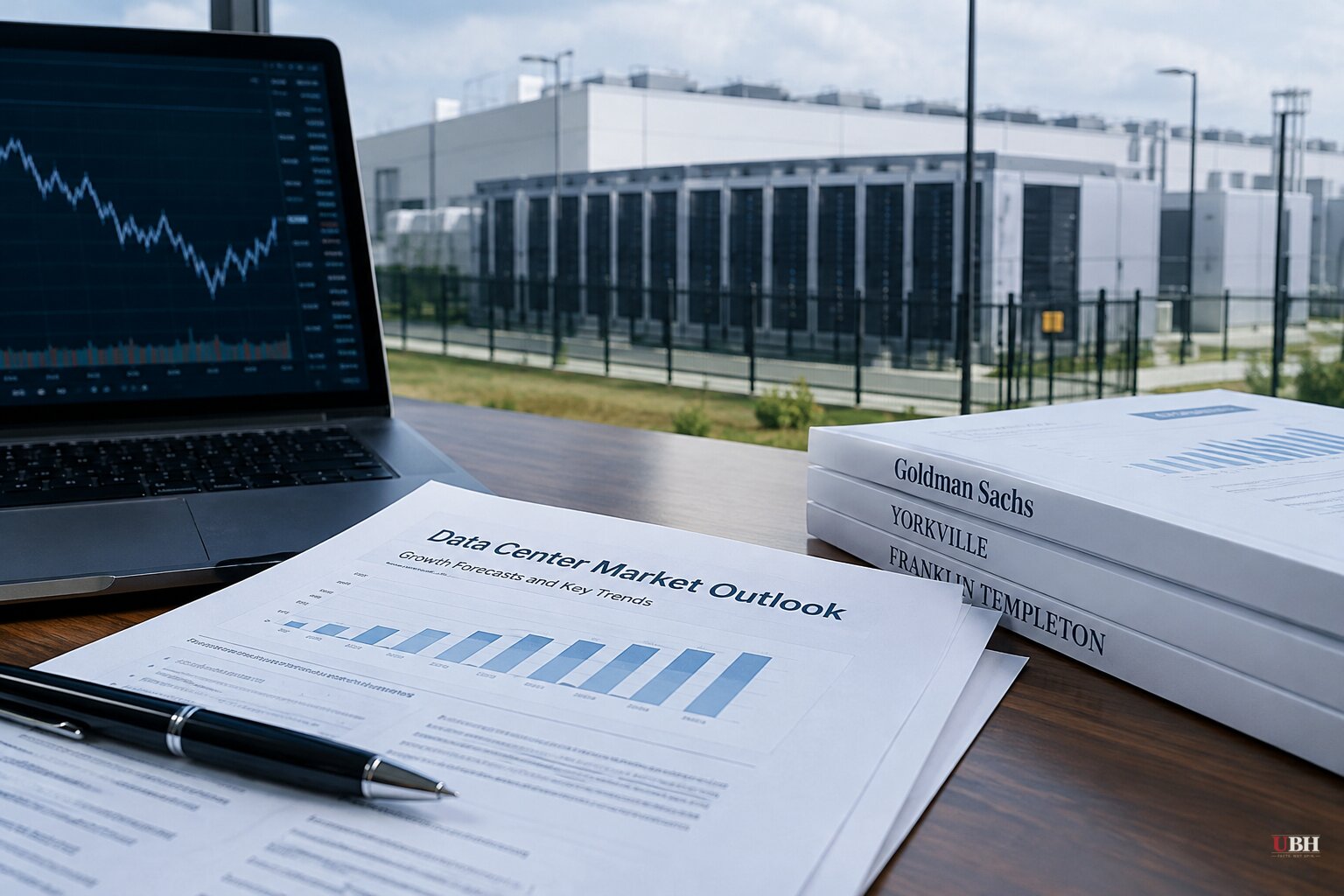
Since Democrats swept Tuesday's midterms and voters backed data center limits in dozens of communities, the tally has grown to 38 restrictive local measures. The question now is whether that vote total turns into a real slowdown in construction.
As of Wednesday afternoon, Redbud Consulting, a Washington polling and data science firm, counted 38 ballot measures restricting data centers across California, Illinois, Maine, Ohio, New York and other states. The only exception was Harwood, North Dakota. Redbud's results are preliminary.
Wall Street starts pricing in delays
Franklin Templeton chief market strategist Stephen Dover predicted a "slowdown in data centers being built," along with new regulations and costs for developers.
Dan Ives of Yorkville Ives & Co. framed the issue around the 800 to 1,000 data centers planned across the country. Will the midterms slow them? "The answer in our view is a clear YES," Ives wrote in a report.
Goldman Sachs predicts construction delays in states including Georgia and Texas because of Democratic gains. Morgan Stanley analysts see Ohio governor-elect Amy Acton as a major risk to that state's buildout.
Ives said Texas accounts for 25% to 30% of the data center capacity expected online by 2030. Gordon Johnson, CEO of GLJ Research, said Gina Hinojosa's win over Gov. Greg Abbott could stall 13 gigawatts of data center power in Texas. Johnson noted Abbott had already suspended approvals. "She doesn't need a new law to keep data center permits frozen," he told CBS News.
Georgia is the next test
Georgia is the third-largest data center market, and Democrat Keisha Lance Bottoms won the governor's race there after campaigning on pausing new construction.
Bottoms told CBS Mornings on Wednesday she would "sign an executive order for that pause, and then we will determine what else we need to do administratively to take that pause into effect." She also plans to review the tax incentives that have drawn developers to the state.
An executive order would let a governor act without waiting on the legislature. Bottoms has not said how long the pause would last or what it would cover.
Washington changes too
Democrats now control both chambers of Congress, with Donald Trump still in the White House. That sets up a divided government in which new data center limits could pass Congress and still face a veto.
Sen. Bernie Sanders and Rep. Alexandria Ocasio-Cortez introduced a data center bill earlier this year, and Democratic control improves its odds of moving. A veto remains possible.
Likely next steps, according to TechCrunch's reading of the results, include more construction moratoriums and rules requiring data centers to pay for their own grid upgrades instead of shifting costs to nearby communities.
An NBC exit poll found almost 80% of respondents opposed data centers in their neighborhoods, and more than half said AI will do more harm than good. Almost 60% called data centers a crucial or major factor in their vote.
The industry's counterargument
Data center supporters argue the buildout is a matter of national security and competition with China. Nadine Smith, CEO of Color of Change, acknowledged that argument: "National security matters," she said. "And so do the families in South Memphis breathing exhaust from the gas turbines powering an AI supercomputer." She was referring to xAI's Memphis facility.
The industry's own analysts say the buildout will not stop. Baron Fung of Dell'Oro Group told Fortune that overall progress will continue, with "two or three steps forward, one step back." Companies, he said, may shift projects and will be asked to carry more of the financial and energy burden themselves.
The record so far backs a slower rather than a halted buildout. Tom's Hardware, citing trackers of local actions, reported that of more than 300 local data center bans enacted nationwide, only three developments totaling 2.3 gigawatts have been delayed. About 38 gigawatts are still expected online by 2027. Several of these bans came well before Tuesday, and the new votes are not yet reflected in that count.
The Trump administration has also moved on the cost question. Tom's Hardware reported that Trump has pushed data centers to pay an energy dividend to local communities and had tech firms, governors and utilities sign a "ratepayer protection pledge."
Money was no guarantee of results. Pro-AI super PACs spent millions this cycle, and Elon Musk spent more than $200 million backing Republican Senate candidate Ken Paxton, who lost. Musk wrote on X Tuesday night that "Data centers in space looking pretty appealing right now."
Anshi Bhatt, a tech and policy researcher, said, "It is clear that money does not buy outcomes."
Local fights continue
In Piqua, Ohio, a city of about 20,000, voters recalled the mayor and two commissioners who backed Meta's planned $1 billion, up-to-1.4-gigawatt facility. The project's fate is not settled.
OpenAI and Anthropic are reportedly turning to smaller sites of 20 to 30 megawatts as their gigawatt-scale projects face delays, according to Tom's Hardware.
The open question is how many of the 800 to 1,000 planned facilities Georgia's pause order and Texas's existing freeze will actually stop, and whether Congress can pass anything Trump will sign.
Sources used for this briefing
8 links from 7 independent newsrooms (syndicated copies of the same report count once)
These are the sources it draws on, linked so you can verify.


