
Unbiased headlines. Facts, not spin.
Every story is an unbiased news briefing written from 110+ sources across the spectrum — sources linked so you can verify it yourself.
 economy
Notable (5/10)
July 18, 2026 at 09:19 PM
economy
Notable (5/10)
July 18, 2026 at 09:19 PM
Virginia Lost More Jobs Than Any Other State This Year, But Ended the Budget Year $936 Million in Surplus
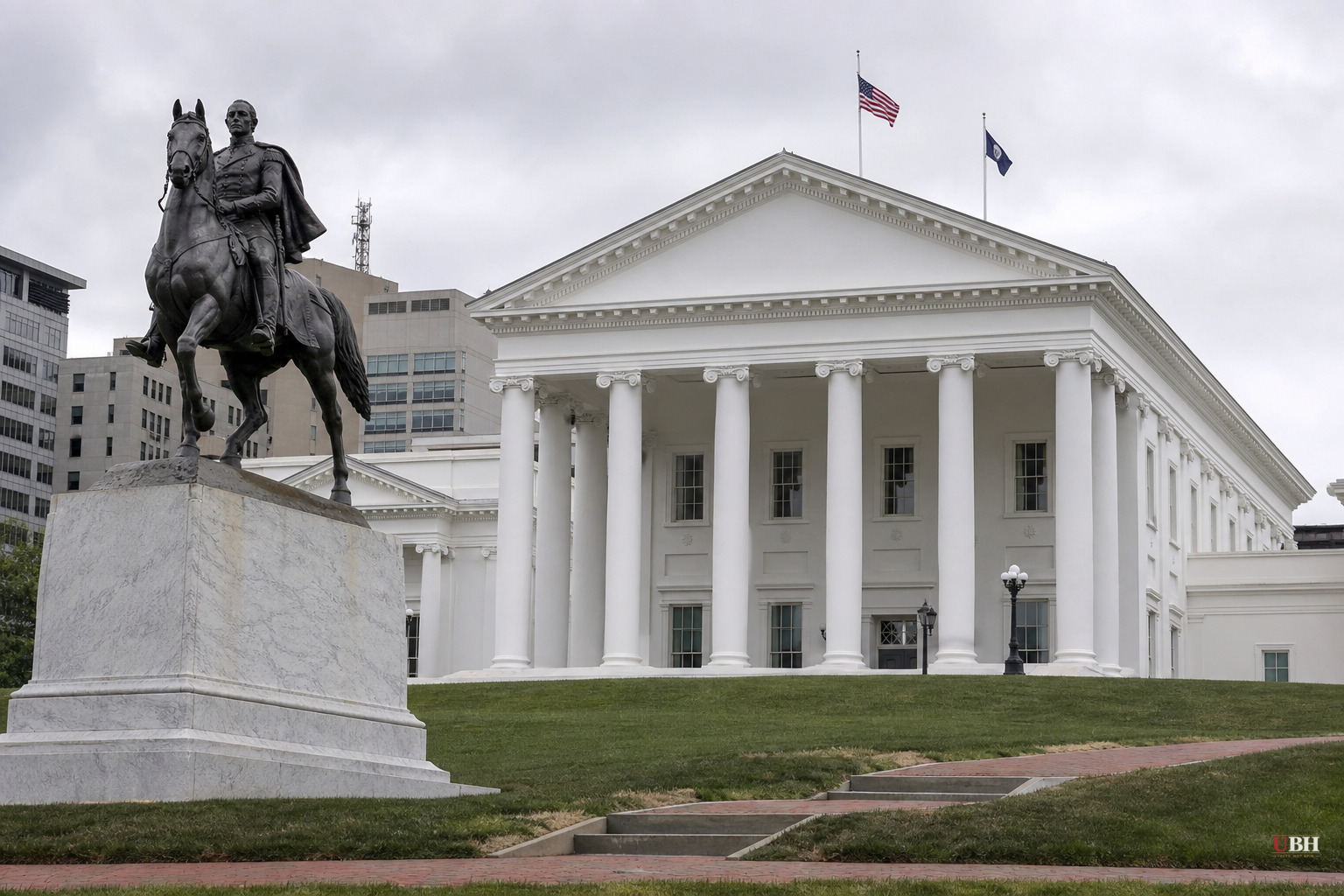
Virginia's economy is sending two very different signals at once, and both are backed by real numbers.
The state lost 51,400 jobs in the twelve months ending May 31, 2026, according to the Bureau of Labor Statistics. That is the largest job loss of any state in the country over that period.
Roughly 40% of those losses trace back to federal government cutbacks, a legacy of the Department of Government Efficiency's push to shrink the federal workforce. DOGE itself has shut down, but its effects are still working through Virginia's economy given how many residents work directly or indirectly for Washington.
Even without a single federal job cut, Virginia would still lead the nation in job losses. Dwayne Yancey of Cardinal News dug into the BLS data and found the state lost 22,600 jobs, 43.9% of its total losses, in professional, scientific and technical services alone. A lot of federal contractors sit in that category, so the federal pullback is bleeding into private firms that depend on government work, not just agency payrolls.
Manufacturing is a separate problem. Virginia is losing factory jobs faster than any other state, driven partly by the closure of older plants like the Goodyear facility in Danville and the Yokohama plant in Salem. Those are 20th-century-era operations shutting down while the state's next generation of manufacturing, things like energy plants and pharmaceutical facilities, is still years from opening.
A proposed fusion plant in Chesterfield County is the highest-profile example of that bet on the future. If the technology works, it could significantly reshape job and energy production in the state. If it doesn't, the whole project is a bust. That uncertainty is baked into any transition away from legacy manufacturing toward a state that wants to build rockets and zero-carbon power instead of shipping out coal and lumber.
Now the other side of the ledger. Virginia closed the fiscal year that ended June 30, 2026, with a $936 million budget surplus. General fund revenues jumped 6.7%, more than $2 billion, over the prior year. More than $500 million of that surplus is set to be folded into the 2027 budget.
The state also climbed a spot in CNBC's annual "America's Top States for Business" rankings, moving up to third place. Virginia had held the No. 1 spot in 2024, its third win in five years, before slipping to fourth in 2025. CNBC credited the state's infrastructure, ranked second in the nation, and its education policy, ranked fifth, for the rebound. CNBC tweaks its ranking methodology every year, so year-over-year moves aren't a perfectly clean apples-to-apples comparison.
Economists at the University of Virginia's Weldon Cooper Center for Public Service have projected Virginia will keep losing jobs through the rest of this year, with a possible turnaround and net job gains starting in 2027. That's a forecast, not a guarantee, and it depends heavily on how quickly federal contracting rebounds and whether the state's big manufacturing bets actually pay off on schedule.
Virginia finance officials struck a cautious note in testimony to the state Senate this spring, warning lawmakers that the fiscal picture ahead carries real uncertainty even with the current surplus in hand.
Virginia's revenue picture and its job market are moving in opposite directions right now, and neither number cancels out the other. A state can post a nearly billion-dollar surplus while still bleeding jobs, especially when a huge chunk of its economy is tied to federal spending decisions made in Washington rather than Richmond.
The open question is timing. Weldon Cooper's economists are betting on a 2027 turnaround, but that bet rests on federal contracting stabilizing and on projects like the Chesterfield fusion plant actually reaching production, not just breaking ground. Virginia lawmakers will get a clearer read on that trajectory when the state's next jobs report and the 2027 budget cycle both play out over the coming months.
Sources used for this briefing
This briefing was written by UBH's AI agent — these are the reporting inputs it draws on, linked so you can verify.


