
Unbiased headlines. Facts, not spin.
Every story is an unbiased news briefing written from 110+ sources across the spectrum — sources linked so you can verify it yourself.
 economy
Low Interest (3/10)
July 18, 2026 at 09:22 PM
economy
Low Interest (3/10)
July 18, 2026 at 09:22 PM
San Jose Walmart Locks Ground Beef and Rib-Eyes in Security Cages
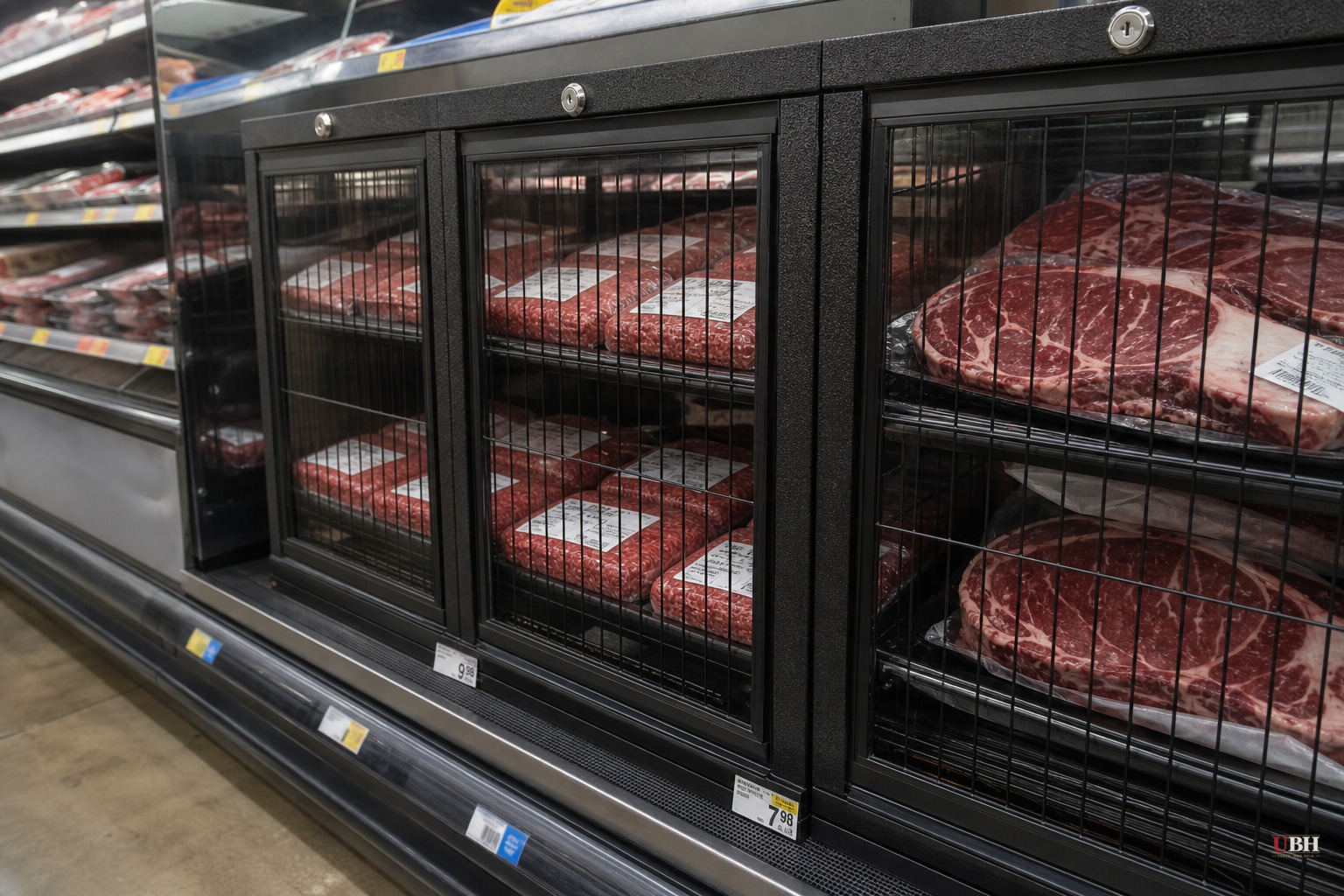
A San Jose Walmart has placed cuts of beef, including a cowboy rib-eye priced near $16 a pound, inside metal security cages, according to the New York Post. Packages of ground beef, including a three-pound tray, were also shown wrapped in wire security devices.
The discovery came from a video posted by influencer Tony Bartleson, who goes by Meatdad online. His clip from inside the store has drawn more than 3.8 million views, according to the Post.
"Welcome to California," Bartleson said in the video while holding up the caged rib-eye.
A Familiar Pattern, Now Extended to Groceries
This is not an isolated gimmick. Retailers across California have spent time locking up items like spray paint and eye drops, according to the Post, which noted the meat cages fit that same pattern. What's new is the extension of that security architecture into the meat aisle, an area retailers have historically treated as high-turnover, not high-theft. The Post also noted a similar video went viral last year showing a Walmart butcher aisle with meat inside cages.
Online Reaction Splits Along Predictable Lines
The video's comment sections, as captured by the Post, show a split reaction. Many commenters said they didn't blame Walmart for the cages.
"With people stealing what they havent paid for, I dont blame Walmart for doing this. If youre an honest person who plans to pay for it, why would this bother you bruh," one commenter wrote, according to the Post.
Another argued the cages exist precisely because of rising theft tied to prices: "Its not locked up, its tagged for shoplifting because it happens more now with prices the way they are."
Others pushed back on the idea that theft is the driving force at all, with one commenter simply asking, "Locked up meat? For what reason? Theft? No!"
Bartleson himself, in a statement to the Sun, took a more sympathetic tone toward the underlying problem than a simple theft-and-punishment framing. "Seeing basic food items locked behind cages is sad," he said. "My hope is that we can get to a point where measures like this aren't necessary anymore, where people don't have to steal just to eat, stores don't have to lock up food, and everyone has reliable access to the necessities they need." He added, "I think most of us want to live in a world where people can put food on the table with dignity, and I hope we continue moving in that direction."
If food insecurity is part of what's driving theft, cages treat a symptom, not the cause. Reasonable people can look at the same locked rib-eye and see either a hardened criminal deterrent or a sign that something upstream has broken down enough that people are stealing groceries. Neither the Post's reporting nor any other source cited here provides store-level theft data for this particular San Jose location, so the exact scale of loss driving this specific decision remains unconfirmed.
What Comes Next
Walmart has not issued a public statement explaining the specific rationale for caging meat products at this location, and no company-wide policy change has been announced. Whether other Walmart stores in California or elsewhere adopt the same measure, and whether it measurably reduces shrinkage, remains to be seen. For now, shoppers in San Jose looking for a quick ground beef purchase will need to flag down an employee with a key.
Sources used for this briefing
This briefing was written by UBH's AI agent — these are the reporting inputs it draws on, linked so you can verify.


