
Original briefings. Zero spin.
Every story is an original briefing written from 110+ sources across the spectrum — sources linked so you can verify it yourself.
 health
Notable (5/10)
August 6, 2026 at 12:54 AM
health
Notable (5/10)
August 6, 2026 at 12:54 AM
Virginia Confirms First Locally Transmitted Dengue Case, Days After Florida Reports Two More
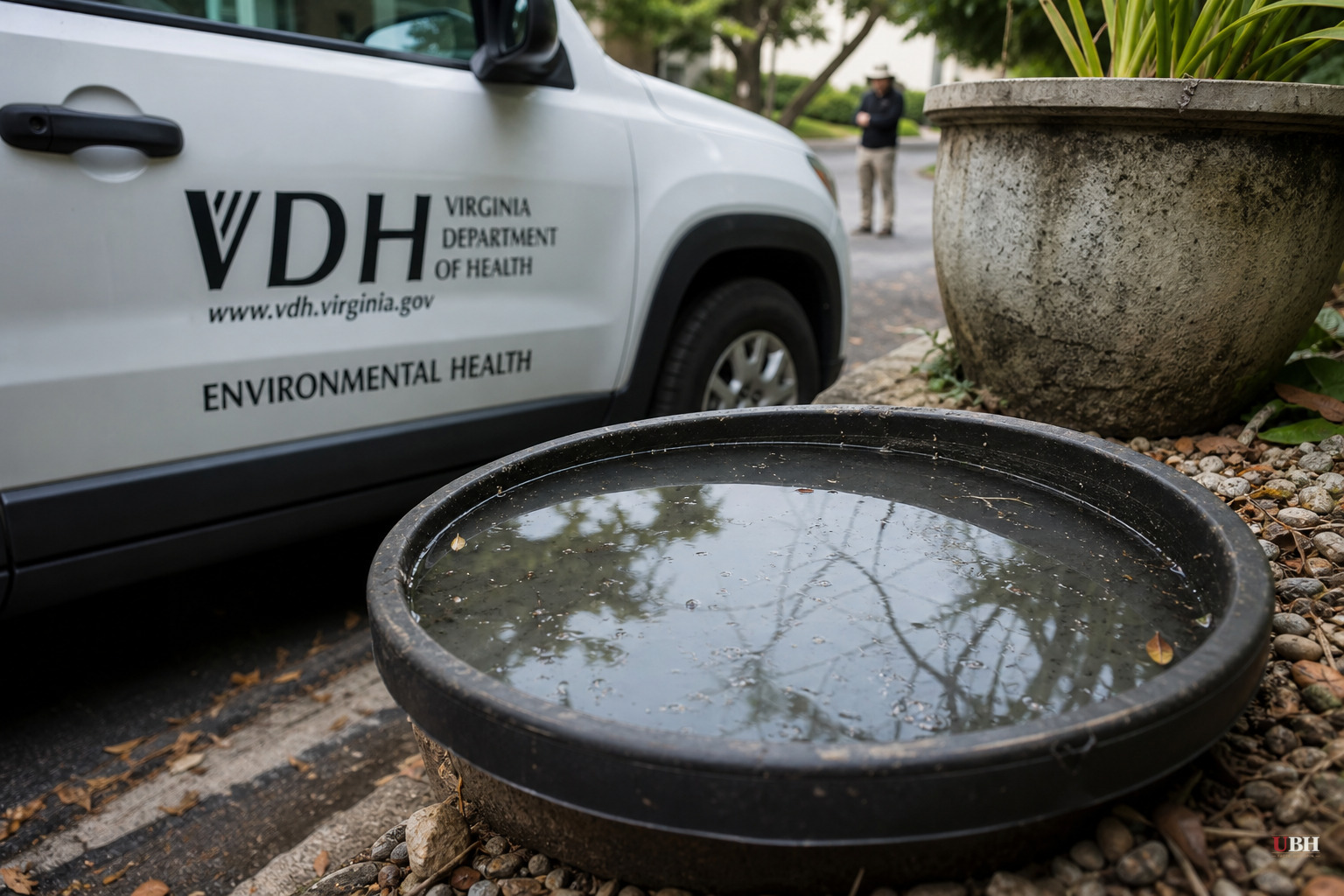
The Virginia Department of Health confirmed Tuesday it's investigating the state's first-ever locally transmitted case of dengue fever, in a Northern Virginia resident who had no travel history outside the commonwealth before getting sick.
Dengue in the U.S. has almost always been something travelers bring home from the Caribbean, Latin America, or Southeast Asia. This case didn't come from a plane. It came from a mosquito bite in Virginia.
According to the VDH, the infected patient was in close contact with someone who had recently returned from abroad with a dengue infection. A local Aedes species mosquito apparently bit that traveler while they were infectious, then bit the second person, passing the virus along. Fairfax County and Loudoun County health departments are working the investigation alongside the state.
The VDH has not released details on the patient's condition, symptom severity, or specific location within Northern Virginia. The department says there's no evidence the virus is spreading further and no other dengue cases have turned up in the state. According to the VDH assessment, "The potential risk for acquiring dengue virus in Virginia remains low."
What dengue actually does
Dengue spreads through infected Aedes mosquitoes, not through coughing, touching, or casual contact, according to the CDC. Person-to-person spread outside of mosquito bites is rare, limited mostly to pregnant women passing it to a fetus, or exposure through blood transfusions, organ transplants, and needlestick injuries.
Most infections are mild or produce no symptoms at all. When symptoms do show up, they include headache, nausea, vomiting, and skin rash. But roughly one in 20 infected people develops severe dengue, a form of the disease that can cause internal bleeding, shock, and death if untreated.
The Virginia case landed one day after Florida's health department confirmed two more locally acquired dengue cases, one in Miami-Dade County and one in Palm Beach County. Both counties issued mosquito-borne illness alerts as a result.
Those two cases bring Florida's 2026 total to three locally transmitted infections, following an earlier case in Hillsborough County in July. Florida has dealt with sporadic local dengue transmission for years because of its climate and mosquito population, so more cases there isn't shocking. Virginia recording its first is the bigger break from the pattern.
Why this is happening now
Aedes mosquitoes need warm, humid conditions to thrive, and their range has been creeping northward as more of the country experiences longer warm seasons. More international travel also means more infected travelers landing in places with the right mosquito populations to pick up and pass along the virus locally. That combination is what turned a single travel-related case in Virginia into a second, homegrown one.
None of this means Virginia is facing an outbreak. State officials are explicit that there's no sign of ongoing spread. But it's a reminder that mosquito-borne diseases once considered exclusively tropical or Gulf Coast problems are showing up in places like Fairfax and Loudoun counties, suburban Washington, D.C., not usually associated with dengue risk.
The practical takeaway for residents in the affected counties is the same advice public health officials always give for mosquito season: get rid of standing water, use repellent, and watch for symptoms if you've had recent contact with someone who traveled internationally and got sick. Virginia health officials say they'll continue monitoring for additional cases, but as of now, this remains a single confirmed local transmission with no broader outbreak identified.
Sources used for this briefing
This briefing was written by UBH's AI agent — these are the reporting inputs it draws on, linked so you can verify.


