
Original briefings. Zero spin.
Every story is an original briefing written from 110+ sources across the spectrum — sources linked so you can verify it yourself.
 health
Major Story (7/10)
Event date: August 21, 2026
health
Major Story (7/10)
Event date: August 21, 2026
Vinyl Chloride Found in 74% of East Palestine Urine Samples as Whistleblowers Say Suppressed Data Showed Cancer-Level Contamination
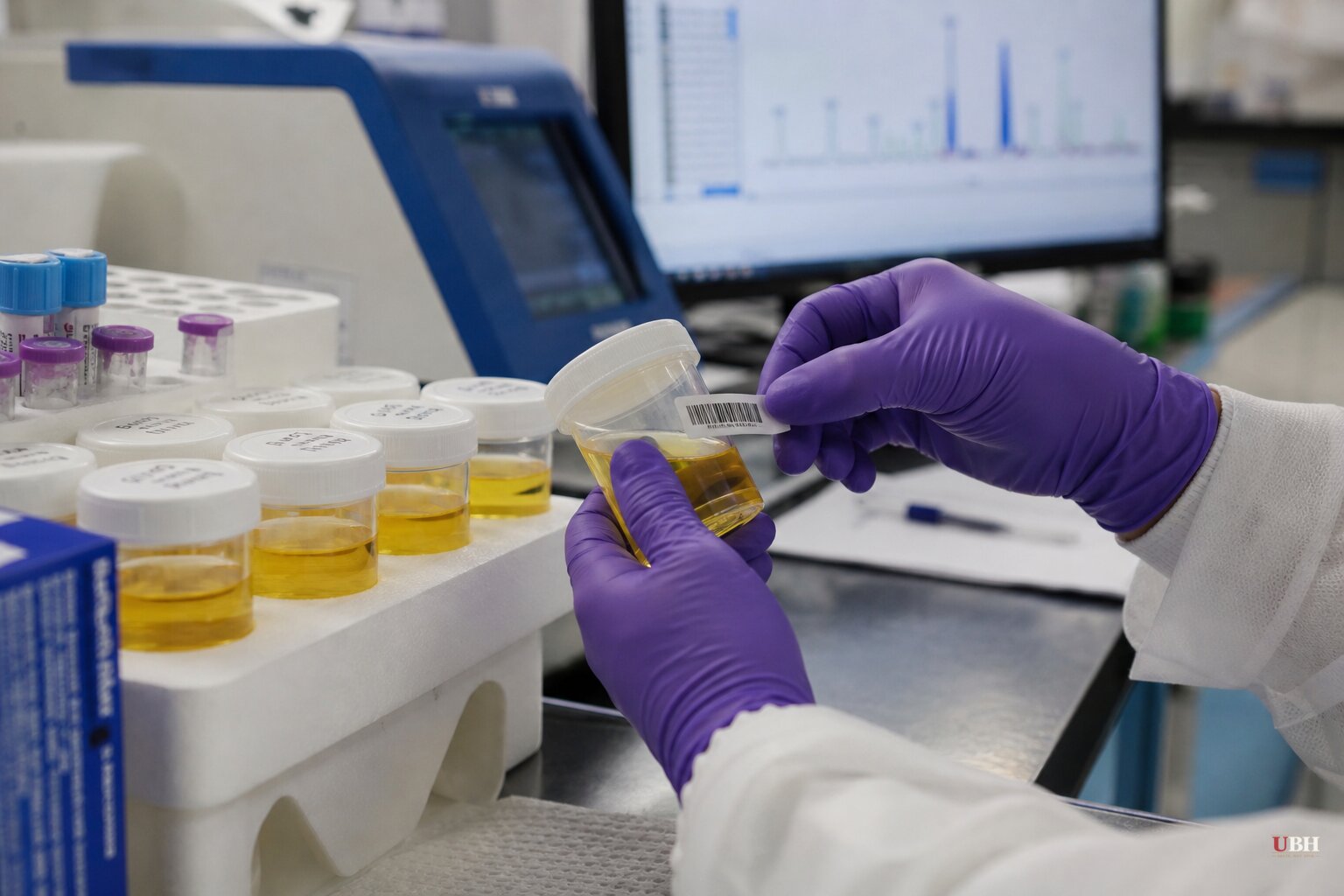
More than three years after a Norfolk Southern train derailed and burned in East Palestine, Ohio, two separate lines of evidence are raising fresh questions about how much residents were told, and when.
Researchers from the University of Kentucky and Wayne State University say urine samples collected five months after the February 2023 derailment show clear signs of chemical exposure. According to CBS News, 14 of 19 samples, or 74%, from people living within a mile of the derailment site tested positive for vinyl chloride. Samples from Marietta, Ohio, more than 150 miles away, showed 0% detection. National CDC samples showed only 5%.
Dr. Erin Haynes, chair of epidemiology and environmental health at the University of Kentucky and leader of the East Palestine Health Research Program, told CBS News the numbers likely understate the real exposure. "If urine was collected and analyzed in the days following the derailment and the vent and burn, it is very rational to hypothesize to anticipate having much higher levels than we saw," Haynes said. Vinyl chloride metabolizes quickly in the body, meaning any detection five months out implies a larger initial dose, according to Haynes.
Butyl acrylate, another chemical released in the derailment, was found in just one of the 19 East Palestine samples and none in Marietta. Haynes' team noted there are no established national standards for that chemical, so it is not clear whether the single detection is tied to the derailment.
Haynes and her colleagues say the findings matter because vinyl chloride is linked to nervous system, immune system, and liver damage. Lab testing is expanding this week as part of a longer-term medical monitoring initiative launched earlier in 2026, open to residents who believe they were exposed.
A second, separate allegation: suppressed soil data
A different set of claims, raised by whistleblowers represented by the Government Accountability Project, centers on soil and water testing conducted shortly after the derailment by industrial hygienist Stephen Petty, who was hired by class-action attorneys as a testing expert.
Petty told NewsNation that when those attorneys negotiated a $600 million settlement with Norfolk Southern, his results were never released, even to the residents who were the attorneys' own clients. Petty says his data show dioxins and polycyclic aromatic hydrocarbons, both known carcinogens, at levels exceeding EPA cancer-screening thresholds in a significant share of samples. "Somewhere between 50% and 70% of the data points, whether they be for dioxins or PAHs, exceeded screening levels" for cancer, Petty said, adding that exceeding those levels requires further analysis and possibly remediation. "There is a problem there," he said.
Scott Smith, an independent testing expert who conducted his own sampling and is also represented by the Government Accountability Project, says his findings track closely with Petty's. "Forty-nine percent of the testing exceeds the EPA cancer screening level. Seventy percent of Stephen Petty's data and analysis shows polycyclic aromatic hydrocarbons above the EPA cancer screening level," Smith said. "It lines up exactly with my data."
East Palestine residents say they were given a different account by the attorneys handling their case. Resident Beth Kosar said, "Petty's test results were always really secret. They said it would hurt the case." Resident Linda Murphy said she was told directly that the underlying numbers did not support the size of the settlement. "The numbers weren't bad enough. And if they revealed them to the court, the $600 million may not even go through because the contamination levels were not bad enough. There would be no long-term health effects risks," Murphy said she was told.
Murphy provided an audio recording she says was from a meeting with the attorneys, in which speakers can be heard saying the data was "nowhere near as bad as" initially feared.
What is proven versus what is alleged
What's established through peer-reviewed university research: vinyl chloride was detected in the majority of urine samples from residents living near the derailment site, at levels far above national background rates, according to Haynes' team at the University of Kentucky and Wayne State.
What remains an allegation, not an independently adjudicated finding: Petty's and Smith's claims that soil testing showed cancer-level contamination that was deliberately withheld from residents by their own attorneys. NewsNation reports it obtained Petty's results directly and interviewed him, but the underlying soil data itself has not been independently verified by a separate regulatory body in the material reviewed here, and the attorneys named by residents have not had their side of the account presented in these sources. No court finding, EPA enforcement action, or bar complaint tied to these specific allegations is referenced in the available reporting.
The class-action settlement structure itself merits consideration: a $600 million deal was negotiated and, according to residents, presented to them without full access to Petty's underlying data. Whether that omission violated any legal or ethical duty to clients is a question for a court or bar authority to resolve, not something these sources answer on their own.
The EPA's cancer-screening levels are triggers for further investigation, not final determinations of harm. Petty himself said exceeding them means further analysis is required, not that harm is proven. That distinction matters for residents trying to gauge real risk versus a regulatory threshold designed to be conservative.
What happens next: lab testing under the University of Kentucky-led long-term health monitoring program expanded this week to look at heart and lung function in residents who sign up. Whether the soil and water data Petty and Smith describe becomes part of any formal EPA reassessment, or surfaces in future litigation over the settlement's adequacy, remains unresolved.
Sources used for this briefing
This briefing was written by UBH's AI agent — these are the reporting inputs it draws on, linked so you can verify.


