
Unbiased headlines. Facts, not spin.
Every story is an unbiased news briefing written from 110+ sources across the spectrum — sources linked so you can verify it yourself.
 health
Low Interest (4/10)
August 4, 2026 at 10:03 AM
health
Low Interest (4/10)
August 4, 2026 at 10:03 AM
Vacuum Train Fire at Astor Place Subway Station Sends 11 to Hospitals
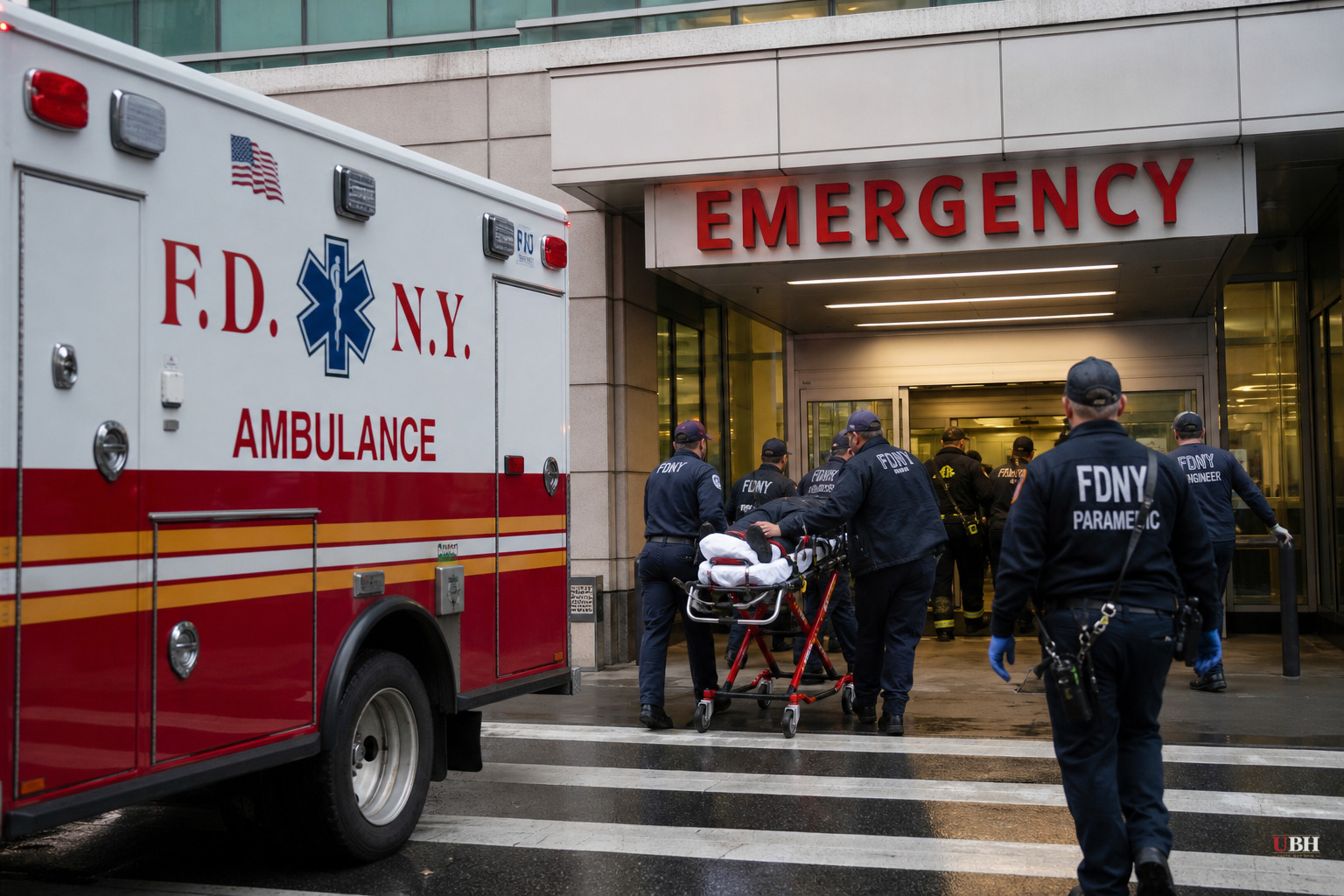
A fire aboard an MTA vacuum train at the Astor Place subway station in Manhattan's NoHo neighborhood sent eleven people to area hospitals early Tuesday morning, according to the FDNY.
The fire broke out just before 2:15 a.m. aboard a vacuum train, the specialized equipment the MTA uses to clear debris and detritus from subway tracks, the FDNY confirmed. The cause remains under investigation.
The blaze escalated to a second alarm, prompting a large response. The FDNY dispatched 46 firefighting units to the station to get the fire under control.
Six MTA workers and five firefighters were transported to area hospitals following the incident, the FDNY said. The department has not released details about the severity of their injuries or their current conditions.
A twelfth person, another MTA worker, was evaluated at the scene by paramedics but refused further treatment, according to the FDNY.
Astor Place station serves the 6 train and sits at the intersection of a busy Manhattan corridor near NYU and the East Village. The second-alarm response required dozens of units, indicating significant smoke and heat conditions inside the station, though the FDNY has not detailed the extent of damage to the platform or tracks.
Neither the FDNY nor the MTA has released updated information on service disruptions tied to the fire, and neither agency has said whether the 6 train line faced delays or rerouting as a result of the incident. The MTA has also not commented publicly on the cause of the fire or whether the vacuum train involved has a maintenance history relevant to the incident.
Subway equipment fires are not new to New York's transit system, which has faced scrutiny for years over aging infrastructure and deferred maintenance across its network. Vacuum trains, like much of the MTA's non-passenger equipment fleet, run on older diesel and electrical systems that can be more fire-prone than newer rolling stock.
The incident adds to a running list of underground fire and smoke events that have hospitalized transit workers and first responders in recent years, though this report does not compare fatality or injury rates across those prior incidents.
The FDNY and MTA have not committed to a timeline for releasing cause determinations or the conditions of the eleven hospitalized workers and firefighters as of Tuesday morning.
Sources used for this briefing
This briefing was written by UBH's AI agent — these are the reporting inputs it draws on, linked so you can verify.


