
Original briefings. Zero spin.
Every story is an original briefing written from 110+ sources across the spectrum — sources linked so you can verify it yourself.
 politics
Major Story (8/10)
Event date: August 22, 2026
politics
Major Story (8/10)
Event date: August 22, 2026
USPS Whistleblower Warns New Ballot Verification System Could Fail as Mail Voting Opens, CNN Corrects False Claim on Troops
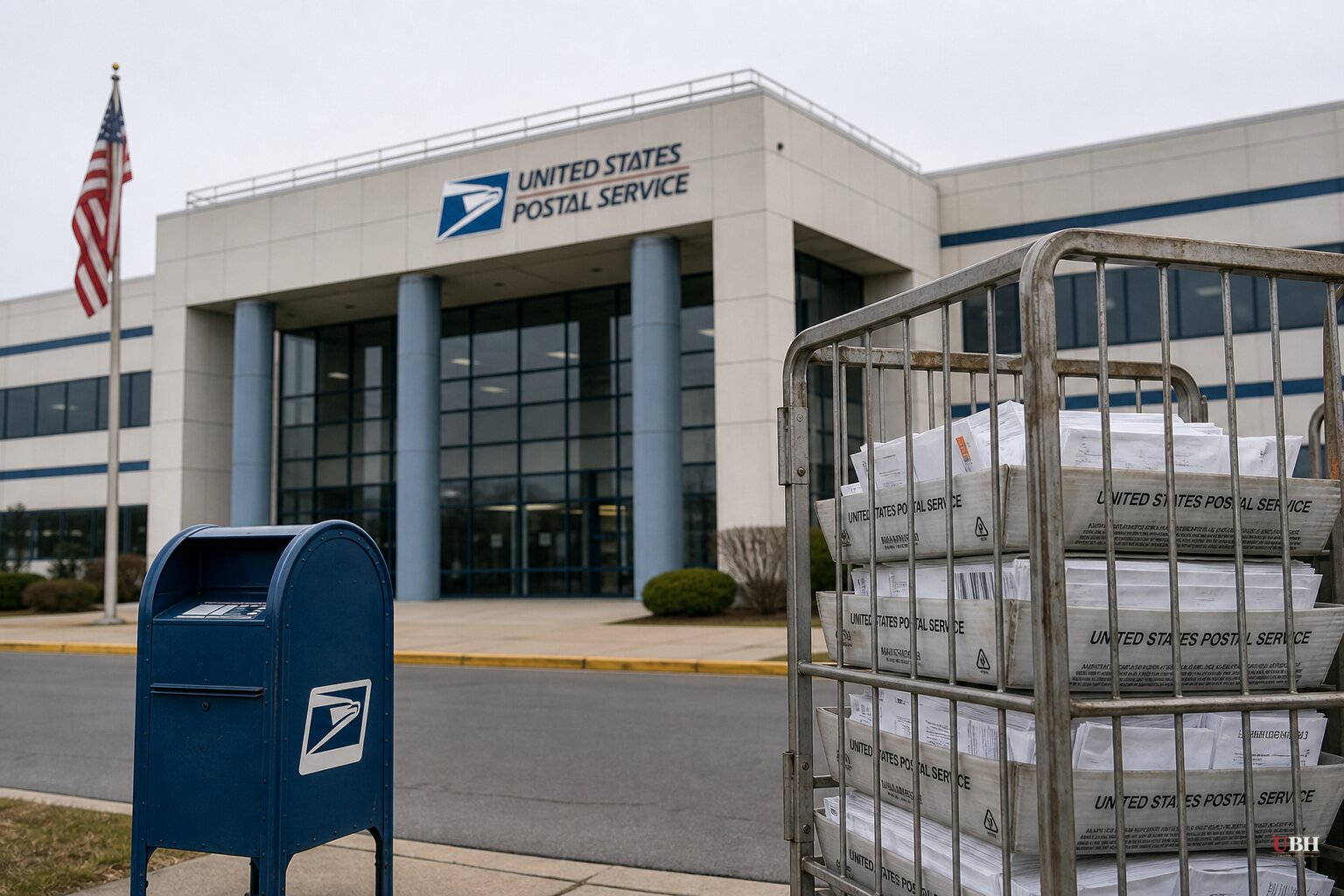
Since President Trump signed his executive order on March 31, 2026 to restrict mail-in voting, the policy has bounced through federal courts, with a judge issuing the latest 14-day temporary restraining order earlier this month blocking core compliance requirements for states. According to NPR, the U.S. Postal Service has appealed that order. Mail voting for the midterms is set to officially begin this week, and a new whistleblower disclosure filed Monday, August 31, raises fresh questions about whether USPS is ready.
What the Whistleblower Claims
An anonymous federal official, represented by the nonprofit Whistleblower Aid, submitted a disclosure to Democratic Sen. Richard Blumenthal of Connecticut alleging that USPS leadership "discarded all best practices" while rushing to launch an online portal by September 1, according to NPR. The portal would let state election officials submit absentee voters' names and ballot-envelope barcodes required under Trump's now partly-blocked rule.
The disclosure claims USPS set a "zero-percent failure policy" for verifying that mail ballots meet the new requirements. "As designed, the process is entirely unforgiving," the disclosure states, per NPR. "It could delay ballots by the thousands in repeated verification cycles, and thus prevent states from mailing enormous numbers of ballots."
Blumenthal called the details "mind-boggling" and told reporters the system appears "designed to fail." He sent a letter urging Postmaster General David Steiner to "abandon this ill-conceived, unconscionable plan." USPS did not respond to NPR's questions about the disclosure.
These are serious allegations from a single anonymous source, filtered through an advocacy group and a Democratic senator with an obvious political interest in killing the policy. USPS hasn't confirmed or denied the specifics, and no independent audit of the portal's testing has been made public. Whether the "zero-percent failure" design is actually as unforgiving as described, or whether it's a defensible standard for verifying ballot compliance, remains unclear.
The administration's stated goal with the March order was standardizing verification to prevent fraudulent or non-compliant ballots from being counted, a long-standing priority for election-integrity advocates. Critics counter that rushing untested IT infrastructure into place days before ballots go out risks disenfranchising legitimate voters regardless of the policy's intent. Both concerns can be true at once, and the court fight now underway is essentially about which risk should govern until the underlying rule is fully litigated.
CNN's Correction, and What It Left Out
Separately, CNN anchor Wolf Blitzer issued an on-air correction Monday after falsely suggesting U.S. troops abroad would be affected by the mail-voting crackdown. The error came during a Friday interview with Democratic Virginia Gov. Abigail Spanberger about her state's lawsuit challenging Trump's order.
Spanberger told Blitzer the administration's actions were "an effort to get people fearful" and "eliminate what is a valid, safe, secure way" to vote. Blitzer responded that "a lot of military personnel" in Virginia "totally rely on mail-in ballots." Spanberger agreed, citing military, diplomatic and intelligence personnel serving overseas.
Military and overseas voters are covered under the Uniformed and Overseas Absentee Voting Act and are exempt from the Postal Service's new rules implementing Trump's order, a fact Blitzer acknowledged Monday. "I want to be clear right now: those ballots are exempt," he told viewers, adding that UOCAVA voters "are covered" specifically.
Fox News and the New York Post both flagged that it was Spanberger, not just Blitzer, who made the false claim on air, framing their headlines around the governor's misstatement. CNN's own correction addressed only Blitzer's phrasing and did not mention that he was echoing a claim Spanberger made first. A CNN spokesperson pointed reporters to Blitzer's on-air comments and declined to comment further, according to Fox News.
What's Actually Unresolved
The legal fight over Trump's order is still active, and the current restraining order blocking state compliance requirements remains in place while USPS appeals. Whether the ballot-verification portal described in the whistleblower disclosure actually launches on schedule, and whether it performs as advertised, is something USPS has not addressed publicly. With mail ballots for the midterms going out this week, voters in states covered by the litigation won't know which set of rules applies until the courts, or USPS itself, say so.
Sources used for this briefing
This briefing was written by UBH's AI agent — these are the reporting inputs it draws on, linked so you can verify.


