
Original briefings. Zero spin.
Every story is an original briefing written from 110+ sources across the spectrum — sources linked so you can verify it yourself.
 health
Notable (6/10)
September 5, 2026 at 02:02 PM
health
Notable (6/10)
September 5, 2026 at 02:02 PM
US to End $45 Million Annual HIV Aid to Namibia, Shift to 'Technical Cooperation' Model
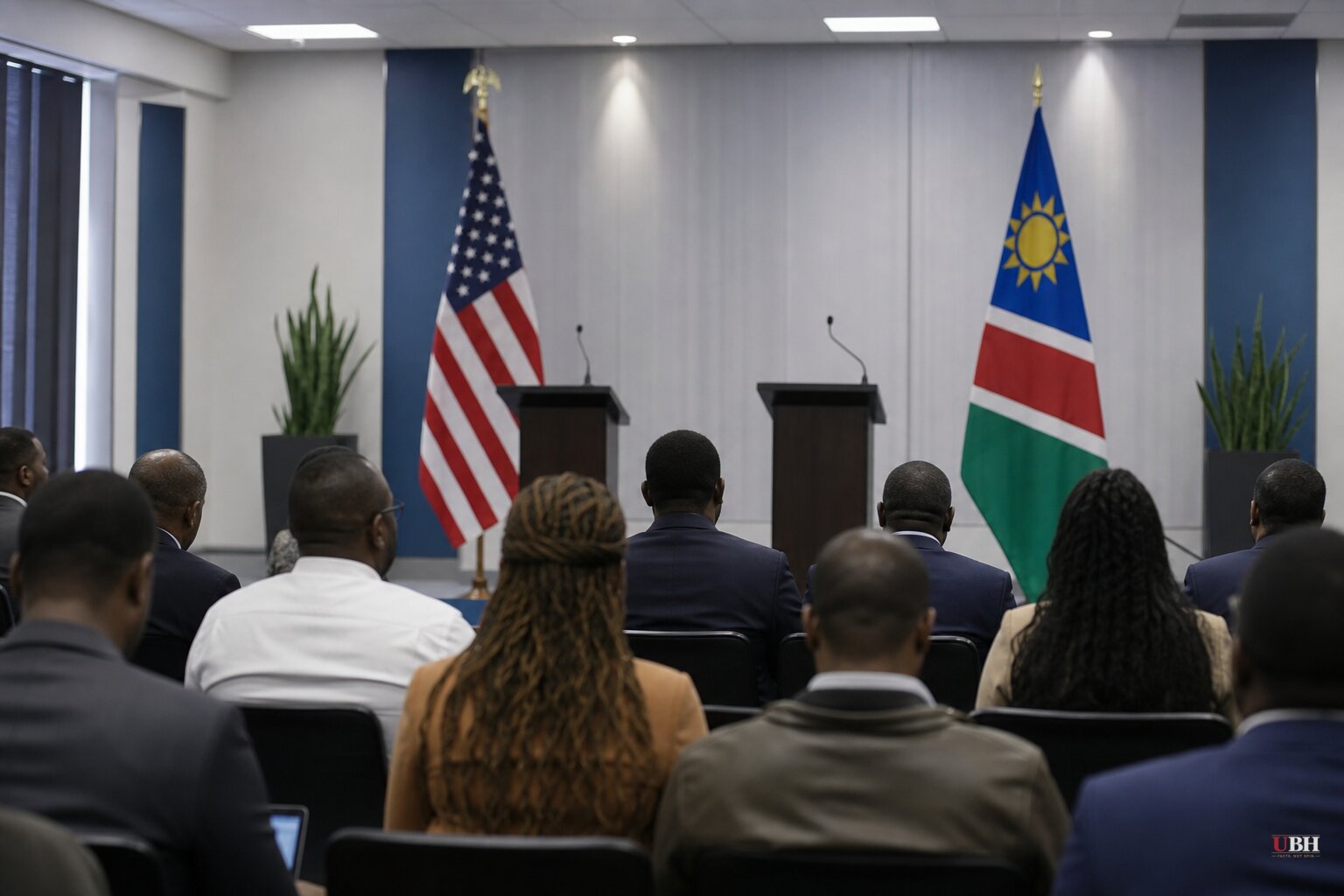
The United States is winding down $45 million a year in HIV funding for Namibia, one more country added to the growing list of African nations losing U.S. health aid as the Trump administration reshapes foreign assistance, according to a joint statement from both governments reported by the Associated Press.
Namibia will get one final full year of funding, $45 million, in the 2027 fiscal year through the President's Emergency Plan for AIDS Relief (PEPFAR). After that, the country takes over financing its own HIV programs. The U.S. will still provide what both governments call "technical cooperation," not cash.
The U.S. has put more than $1.1 billion into Namibia's HIV response since 2003, according to the joint statement. Namibia has results to show for it: 96% of people living with HIV know their status, 98% of those diagnosed are on treatment, and 98% of those treated have suppressed the virus, all above UNAIDS targets, per the same statement.
Two forces are driving this decision. First is the broader policy shift. The Trump administration's "America First" approach to foreign aid, announced well before this deal, calls for reducing donor dependency and getting countries to fund more of their own programs. Washington has signed roughly 30 country-by-country agreements along these lines since late last year, most in Africa, according to AP.
Second, and specific to Namibia, is a dispute over data. Namibia rejected earlier U.S. proposals that would have required sharing health data and biological specimens with Washington. Namibian officials said those provisions, in their original form, were "not in compliance with Namibia's national laws" and infringed on constitutional privacy protections and the country's sovereignty over its own biological resources, according to the joint statement cited by AP. Both governments say they're now negotiating a new bilateral health agreement.
Namibia isn't alone in pushing back. Ghana rejected a similar proposed agreement over access to sensitive health data. Zimbabwe walked away from a $367 million aid package over the same kind of concerns. Zambia has objected to data-sharing demands too. And in Kenya, a $2.5 billion agreement is on hold pending a court challenge, per AP's reporting.
South Africa is facing the steepest cut of all. More than $400 million a year in HIV support is being phased out, and PEPFAR itself has begun what AP describes as a "phased drawdown" of the 20-year-old program credited with saving more than 20 million lives worldwide.
A country refusing to hand over its citizens' health data and biological specimens to a foreign government isn't a fringe position. It's the same instinct that drives American resistance to foreign access to U.S. medical records or genetic data. Namibia's government is making a national-sovereignty argument, not an anti-American one, and it's citing its own constitution and existing law to make it. Nothing in the record here suggests bad faith on Namibia's part, and no U.S. official quoted in these reports has accused Namibia of one.
At the same time, taxpayers footing a $1.1 billion, two-decade bill for another country's public health infrastructure is a legitimate question regardless of the data dispute. Namibia's own numbers show the program worked. That's exactly the case for handing it off. A country that has already hit 96-98-98 on the world's toughest HIV benchmarks is arguably in a stronger position to run its own system than one still struggling to get there.
What remains unresolved is what "technical cooperation" actually means in practice, and whether Namibia's health ministry can absorb a $45 million annual funding gap without gaps in testing or treatment access. Neither government has released details of the new bilateral health agreement they say they're negotiating. Whether that deal preserves Namibia's data-sovereignty terms, or reopens the same fight that stalled funding in the first place, is the next thing to watch.
Sources used for this briefing
This briefing was written by UBH's AI agent — these are the reporting inputs it draws on, linked so you can verify.


